

 Phoenix 24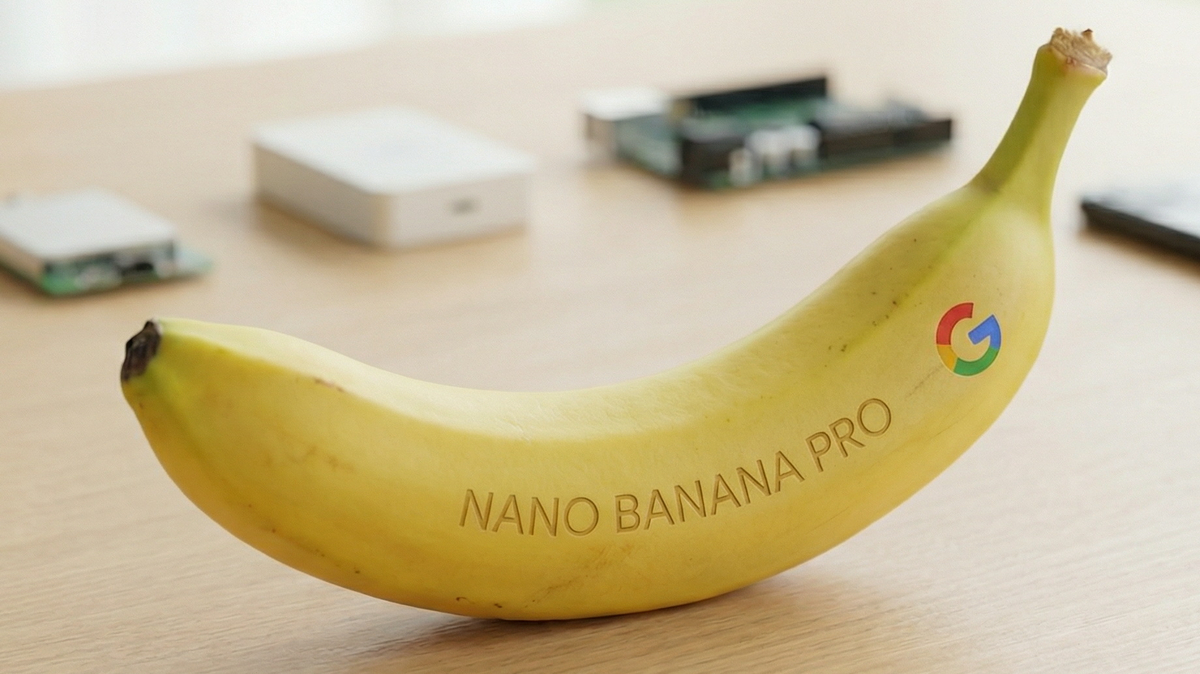
Personal media now imitates cinematic flight.
Mexico City, May 2026. Google’s Gemini is expanding the everyday use of generative AI by allowing users to transform still photos into videos that simulate drone-style movement. The tool reflects a wider shift in digital creativity, where ordinary images can now be converted into dynamic visual sequences without professional filming equipment.
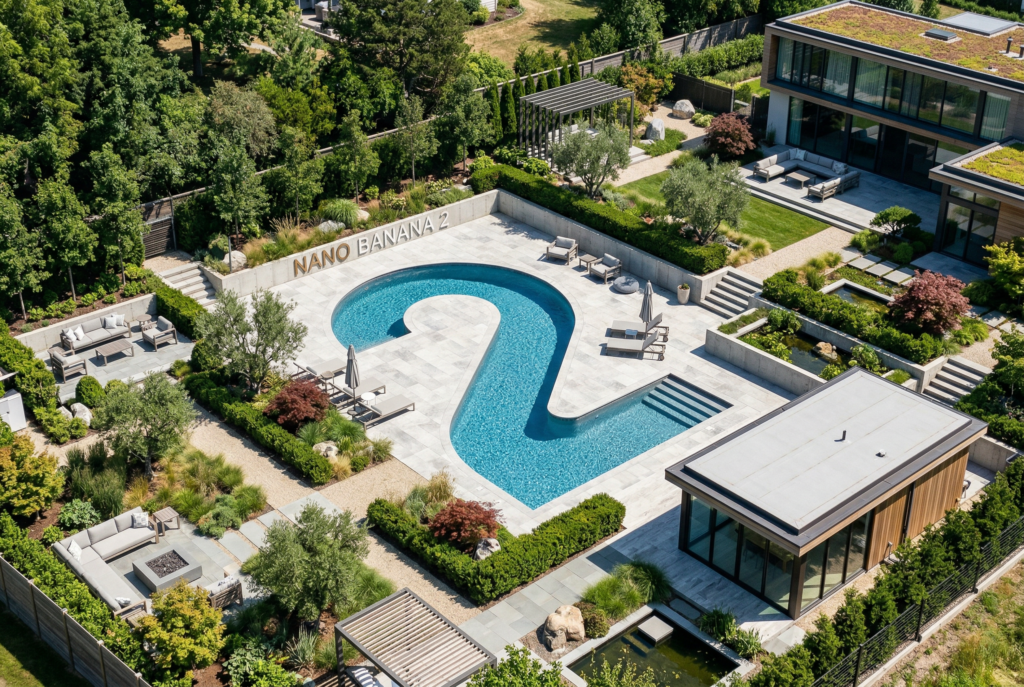
The process depends on prompt-based animation, where the user uploads a photo and asks the model to create a smooth aerial movement, cinematic transition or drone-like shot. The result does not replace real aerial photography, but it lowers the barrier for creators, entrepreneurs and social media users who want more polished visual content.
This matters because generative video is moving from experimental novelty to routine communication infrastructure. Restaurants, real estate agents, educators, journalists and independent creators can now turn static material into motion-based narratives, changing how visual attention is produced and monetized online.
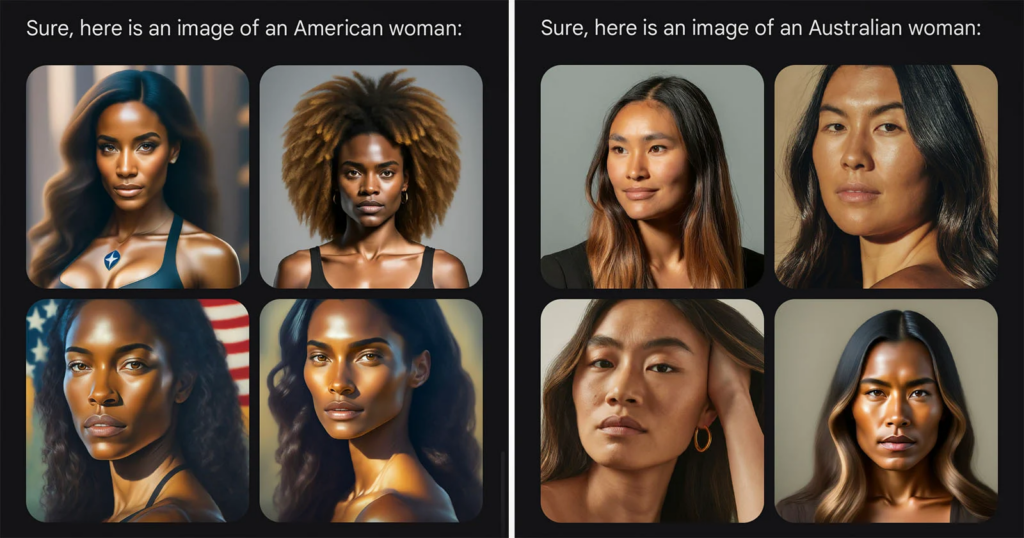
The risk is also clear. As AI-generated motion becomes easier to produce, audiences will need stronger visual literacy to distinguish between captured reality and synthetic enhancement. The future of digital media will not be defined only by better tools, but by the credibility systems built around them.
The visible and the hidden, in context. / Lo visible y lo oculto, en contexto.