

 Phoenix 24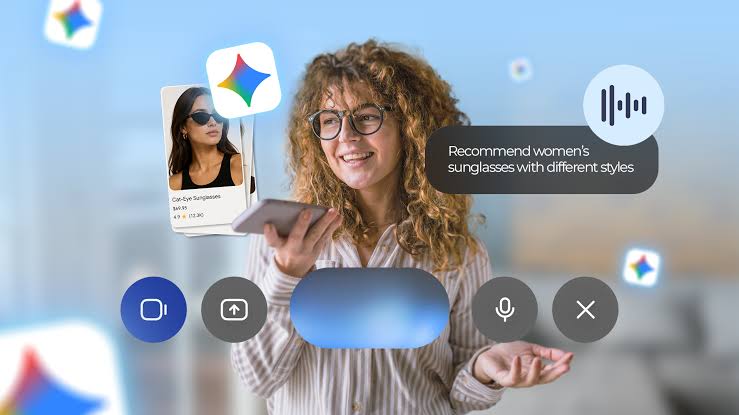
Users could shape how artificial intelligence sounds and responds.
Mountain View | July 2026
Google is preparing new voice-personalization controls for Gemini that would allow users to modify how the artificial-intelligence assistant sounds instead of choosing only among fixed prerecorded voices.
The planned feature introduces adjustable settings for speed, energy, warmth and formality, giving users greater control over the personality and delivery of spoken responses. The system could make Gemini sound more professional, conversational, energetic or emotionally warm depending on the context and individual preference.
Gemini currently offers several voice models, including Orbit, Pegasus and Ursa. Selecting one of them changes the assistant’s overall voice, but users cannot precisely modify individual characteristics between the available options.
The forthcoming system would replace that limitation with sliding controls inside the Gemini application. Instead of accepting a complete preset, a person could retain a preferred voice while independently adjusting the way it communicates.
The speed control would allow responses to be delivered more slowly or rapidly. Google is expected to establish limits preventing the assistant from speaking so quickly that comprehension and natural interaction become difficult.
Energy settings would influence the dynamism of the delivery. A higher level could make Gemini sound more animated and enthusiastic, while a lower setting could produce a calmer and more measured interaction.
Warmth would modify the emotional quality of the voice. Increasing it could create a more approachable and empathetic tone, particularly useful in informal conversations, explanations or personal-assistance situations.
Formality would affect both the vocal style and the type of vocabulary used. A more formal setting could generate structured, detailed and professional responses, while a reduced level might produce simpler and friendlier language.
Users would access the controls through the application’s side menu by opening the settings area and entering the Gemini Voice section. The interface is expected to include guidance and examples showing how each adjustment changes the assistant’s delivery.
These preferences would remain active after they are configured. That permanence represents an advance over Gemini’s current ability to follow temporary spoken requests, such as asking the assistant to respond more slowly during a particular exchange.

Persistent settings would allow users to create a stable voice experience adapted to their ordinary needs. Someone using Gemini for professional tasks could maintain a formal and measured tone, while another person could configure a warmer and more energetic assistant for everyday interaction.
The controls could also improve accessibility. Slower speech may benefit language learners, older adults or people who process audio information at a different pace. A calmer delivery could reduce cognitive pressure during complex explanations.
Professionals could configure a concise and formal voice for reviewing documents, preparing presentations or receiving workplace summaries. Students might prefer a warmer and more expressive tone when using Gemini as an educational assistant.
The update reflects a broader transformation in conversational artificial intelligence. Developers are moving beyond whether an assistant can answer a question and increasingly focusing on how that answer is communicated.
Voice has become a central part of this competition because spoken interaction creates a stronger sense of presence than text alone. Rhythm, pauses, intonation and emotional tone influence whether a digital assistant appears mechanical, trustworthy, impatient or supportive.
ChatGPT helped popularize more natural voice conversations and the possibility of adapting delivery during an exchange. Google’s planned controls would move Gemini toward a similarly flexible experience while giving users visible settings for individual vocal characteristics.
The objective is not necessarily to make artificial intelligence appear human in every situation. It is to reduce the friction created when one fixed communication style fails to match different users, cultures or tasks.
A highly energetic voice might be appropriate for entertainment or creative brainstorming but distracting during technical analysis. Excessive warmth could sound artificial in a professional setting, while a rigidly formal assistant might feel distant during ordinary conversation.
Independent controls would let users determine that balance rather than relying entirely on decisions made by the platform.
The feature has been identified within the code of the latest Android version of the Gemini application, but it has not yet been activated for the public. Its presence indicates active development, although software functions discovered before release can still be modified, delayed or abandoned.
Google is expected to introduce the controls during the coming weeks through an application update or a server-side deployment that makes them appear automatically. The company has not announced a definitive release date.
It also remains unclear whether voice personalization will be available to all Gemini users or reserved partly for paid subscribers. Google has not confirmed the commercial model, regional availability or whether every language will receive the same level of customization.
Language support will be an important factor. Adjusting warmth or formality is more complex than changing volume or speed because emotional and social meanings differ across languages and cultures.
A tone considered friendly in one linguistic environment may appear excessively informal in another. The technology must therefore adapt not only pronunciation but also vocabulary, rhythm and cultural expectations.
Google is additionally redesigning the way users browse the existing voice options. The application could introduce a swipe-based selection system in which voice names appear and disappear as the person moves through the available models.
This visual change would make comparing voices more intuitive and could be released alongside the new adjustment controls.
Personalized voices also raise questions about emotional dependence and transparency. As assistants become more responsive and pleasant to hear, some users may attribute greater understanding or emotional awareness to systems that are generating responses through computational models.
Developers must balance natural interaction with clear indications that the voice belongs to an artificial system. Personalization should improve usability without encouraging confusion about the assistant’s actual capabilities.
Privacy will also remain relevant. Voice conversations may involve personal, professional or sensitive information, making clear data-management controls essential as people begin using assistants more frequently through speech.
The planned update demonstrates that the next stage of artificial intelligence will be defined not only by more powerful models, but also by increasingly individualized interfaces.
Users are gradually gaining the ability to determine how their digital assistants speak, explain, react and accompany different activities. The voice of artificial intelligence is becoming less standardized and more personal.
Phoenix24 | Technology feels closer when communication adapts to the individual. La tecnología se siente más cercana cuando la comunicación se adapta al individuo.