

 Phoenix 24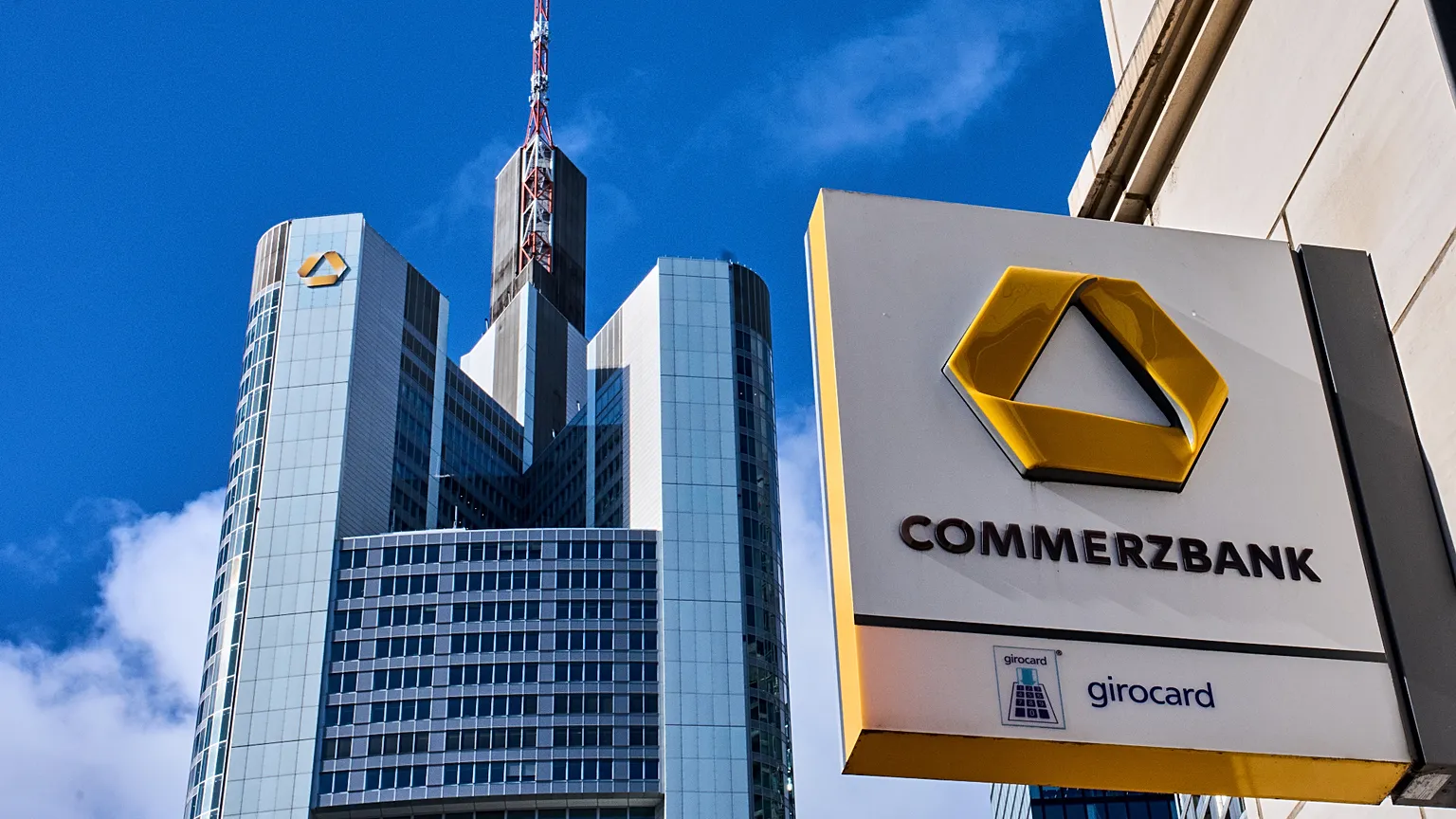
Berlin’s resistance is shifting from preventing the takeover to protecting national economic interests.
BERLIN, GERMANY
German Finance Minister Lars Klingbeil has presented UniCredit with conditions for its proposed acquisition of Commerzbank as the Italian lender approaches effective control of one of Germany’s largest banks. UniCredit has accumulated nearly 50% of Commerzbank’s shares after beginning its investment in 2024.
Berlin wants Commerzbank to retain its headquarters in Frankfurt, remain independently listed on the stock exchange and continue financing Germany’s small and medium-sized companies. The government is also seeking protections for the bank’s brand and more than 40,000 employees.
Germany initially described UniCredit’s strategy as hostile and attempted to discourage the transaction. Its influence has weakened as the Italian bank increased its ownership. Berlin still holds approximately 12% of Commerzbank following the lender’s rescue during the global financial crisis and maintains representation on its supervisory board.
UniCredit chief executive Andrea Orcel described discussions with Klingbeil as constructive, but significant governance disagreements remain. UniCredit reportedly wants changes in Commerzbank’s senior leadership and objects to the German government retaining direct influence after a takeover.
A combined institution would control more than €1.3 trillion in assets across two of the eurozone’s largest economies. Supporters argue that such consolidation could create a European bank better equipped to compete with larger American and Asian institutions.
The dispute nevertheless exposes an unresolved contradiction in European integration. Governments support cross-border consolidation in principle but become protective when strategic domestic banks, employment and credit for local industries are involved. The final agreement will test whether Europe’s banking union can move beyond national boundaries without erasing national economic responsibilities.
Integration advances through markets, but legitimacy depends on what remains protected.