

 Phoenix 24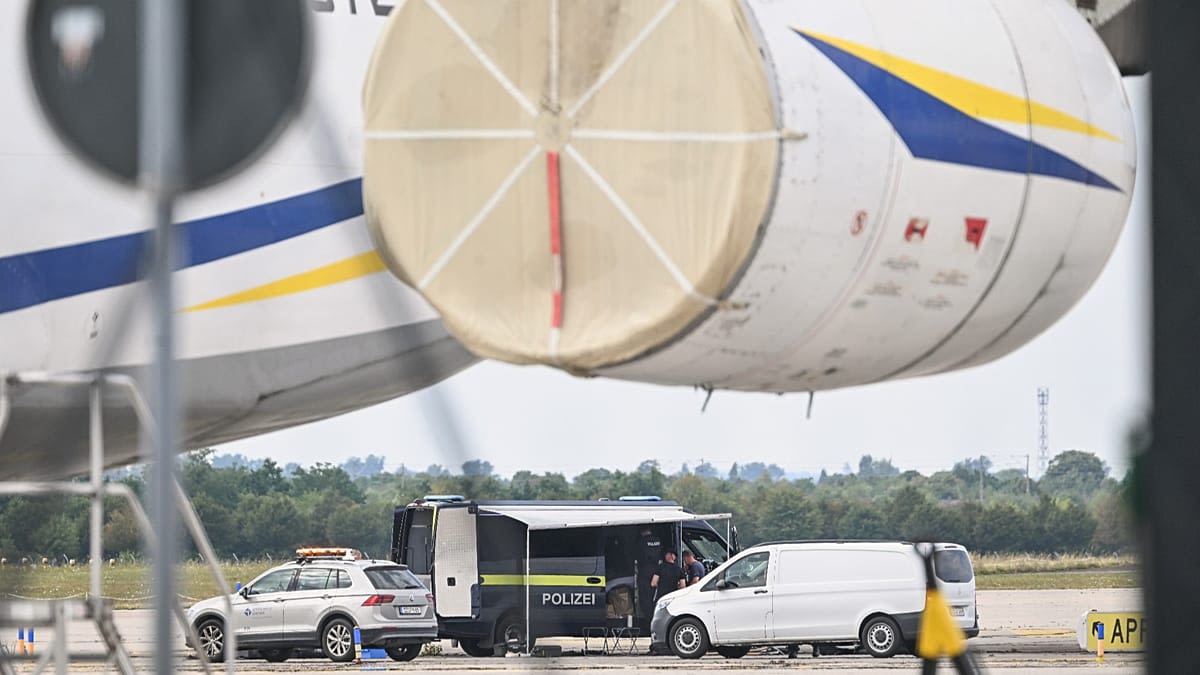
Sabotage, espionage and cyberattacks are erasing the boundary between peace and conflict.
BERLIN, GERMANY
Germany is strengthening its defenses against hybrid threats as authorities confront a growing combination of cyberattacks, espionage, disinformation, sabotage and unauthorized drone activity. These operations are designed to destabilize institutions and damage critical infrastructure while remaining below the threshold that would normally provoke a conventional military response.
The sense of urgency increased after an explosive-laden drone was discovered near Leipzig/Halle Airport. German officials say the operation was prepared in Russia and may have targeted a Ukrainian cargo aircraft, although Moscow denies any involvement. Authorities are also investigating attacks against electricity infrastructure and an incendiary incident at the Munich headquarters of defense-technology company Rohde & Schwarz. Not every case has been connected to a foreign government: investigators believe some infrastructure attacks may have been carried out by domestic extremists.
Berlin’s response combines intelligence coordination, stronger legislation and physical protection. An interministerial task force established after Russia’s full-scale invasion of Ukraine evaluates hybrid risks across government departments. Germany has also expanded the protection required for essential sectors such as energy, telecommunications, transportation, water and healthcare, while developing specialized counter-drone police units in several cities.
Proposed cyber legislation would give German authorities broader powers to disrupt hostile digital infrastructure, including systems located abroad, subject to legal safeguards. The government is simultaneously investing in civil defense, emergency communications, medical preparedness and public shelters. Security agencies have also warned citizens against accepting online offers to photograph military facilities, transport routes or industrial sites, a recruitment method allegedly used by foreign intelligence services.
Russia remains the principal concern because of Germany’s military and logistical support for Ukraine, but officials caution that hybrid threats can originate from several state and non-state actors. Attribution is frequently difficult, creating the risk of either responding too slowly or accusing a foreign power without sufficient evidence. Germany’s challenge is therefore not merely technological: it must defend an open society without weakening the democratic rights, institutional transparency and legal limits that hostile operations seek to exploit.
Modern security begins where the distinction between peace and war disappears.