

 Phoenix 24
Before the engines roar for glory, the next generation gets its turn at the wheel.
Mexico City, October 2025
The opening practice session of the Mexican Grand Prix will showcase an unusual spectacle: nine teams replacing their main drivers with emerging talents drawn from their academies and reserve rosters. The move, mandated by Formula 1 regulations requiring every team to grant at least one practice session per season to a rookie, turns Friday’s track time into a window on the sport’s future.
McLaren, Ferrari, Mercedes, Red Bull Racing, Williams, Aston Martin, Haas, Alpine and Racing Bulls have confirmed that each will field a young driver for the first free practice at the Autódromo Hermanos Rodríguez. For the teams, the exercise is as strategic as it is symbolic. It allows engineers to test new setups, gather telemetry, and assess talent under real race conditions without the pressure of qualifying. For the drivers, it represents a fleeting but invaluable opportunity to prove they belong in the world’s fastest ecosystem.
The session, scheduled for midday, unfolds at one of the most distinctive circuits of the season. The altitude of Mexico City means thinner air, less aerodynamic load, and a unique braking dynamic that challenges even experienced drivers. For rookies, the adaptation is immediate and unforgiving. Every corner tests not just speed, but composure.
Behind the scenes, these substitutions require meticulous preparation. Engineers must reconfigure simulators, adjust cockpit ergonomics, and recalibrate brake balance for drivers whose physiques and styles differ from the regular line-up. Mechanics, meanwhile, focus on protecting components within the strict mileage limits imposed by the regulations. While lap times will not reflect the true competitive order, the data harvested from these runs is crucial for development programs and next-season performance forecasts.
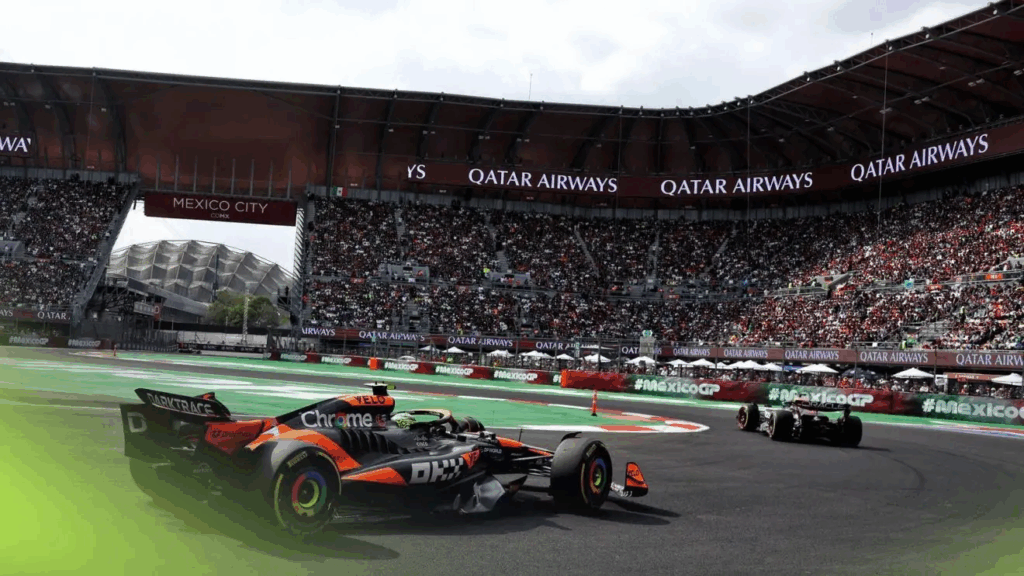
In the broader context, the rookie sessions are more than a compliance exercise. They function as a silent draft system for Formula 1. Scouts, sponsors, and team principals observe not only lap speed but also discipline, feedback quality, and adaptability. A clean session without errors can determine future contracts, simulator roles, or even full-time seats. In this sense, Friday’s practice becomes a proving ground that mixes aspiration with calculation.
For the local fans, the event carries an emotional undertone. Mexico’s circuit has evolved into a festival of color and precision, merging national fervor with the international rhythm of the championship. The inclusion of young drivers gives the weekend an added narrative: the continuity of Formula 1 as an institution that cultivates renewal amid a world of constant optimization.
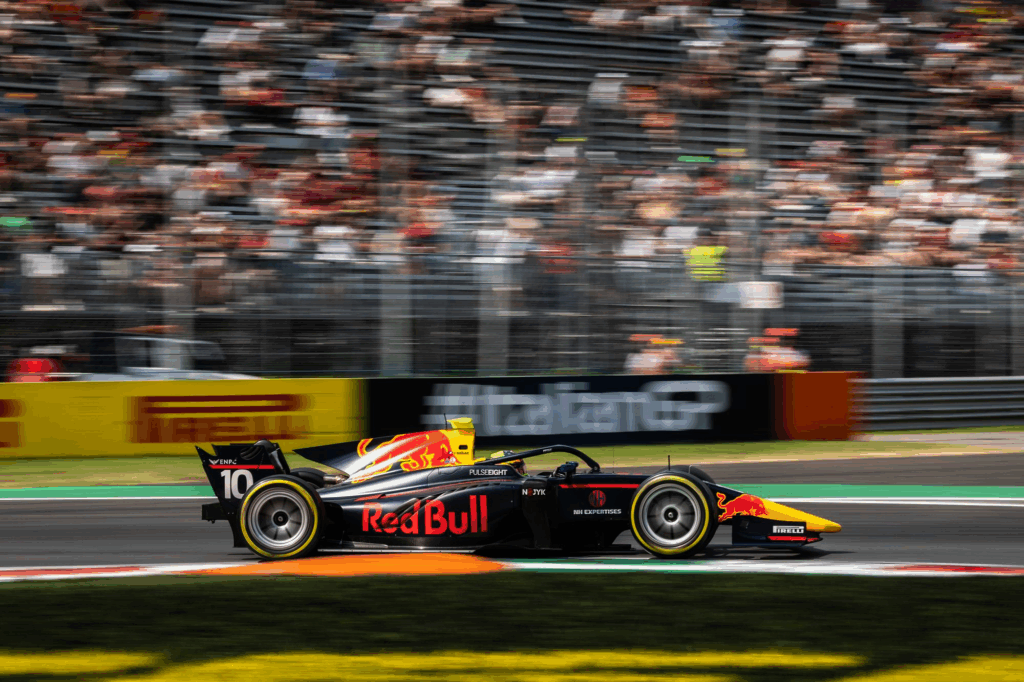
Analysts across Europe and Asia point out that these controlled trials reveal how the sport’s balance is shifting. The new generation, trained under hybrid-era conditions and digital telemetry, approaches racing with a data-driven mentality that contrasts sharply with the instinctive aggression of previous eras. Yet, as teams embrace artificial intelligence and simulation, the essential question persists: can youth and technology replicate the intuition that once defined champions?
The Mexican Grand Prix, always a magnet for spectacle, becomes this weekend a metaphor for evolution. The crowd will witness not only preparation for Sunday’s race but the rehearsal of a generational handover. Each lap by a rookie marks both a learning curve and a declaration of intent — a reminder that the sport’s future is already on the asphalt.
Phoenix24: analysis that transcends power. / Phoenix24: análisis que trasciende al poder.