

 Phoenix 24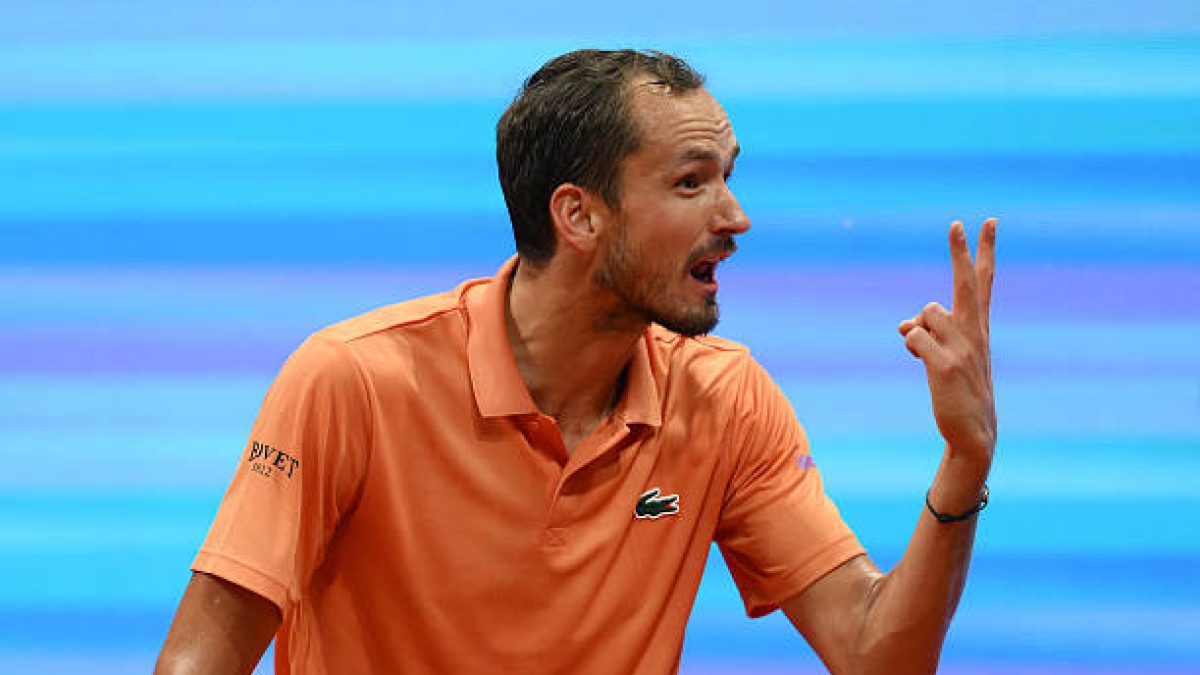
A tennis match became a public fracture.
Madrid, April 2026. Daniil Medvedev defeated Fabián Marozsán in the second round of the Madrid Masters 1000, but the result was quickly overshadowed by his conduct toward the crowd. The former world number one argued with spectators, made provocative gestures, and appeared to simulate spitting toward the stands during a tense moment of the match.
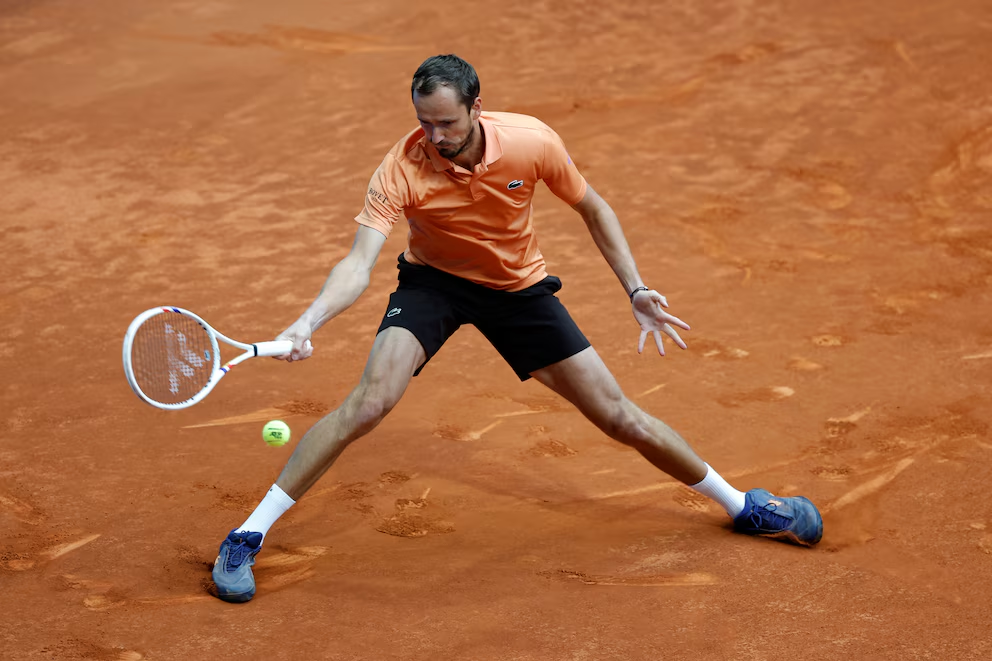
The incident occurred with the second set tied at 4-4, when Medvedev reacted angrily to the atmosphere around him. The chair umpire issued him a warning for unsportsmanlike behavior, but the Russian player appeared to repeat the gesture moments later, this time toward the official. Under ATP standards, that sequence placed his conduct close to a disciplinary line that could have carried heavier consequences.
Medvedev eventually advanced after a turbulent three-set victory that lasted more than two hours. Yet the sporting achievement lost narrative control almost immediately. In elite tennis, image is not secondary to performance; it is part of the competitive economy. A gesture toward the crowd can travel faster than a winning shot, especially when it reinforces an existing reputation for emotional volatility.
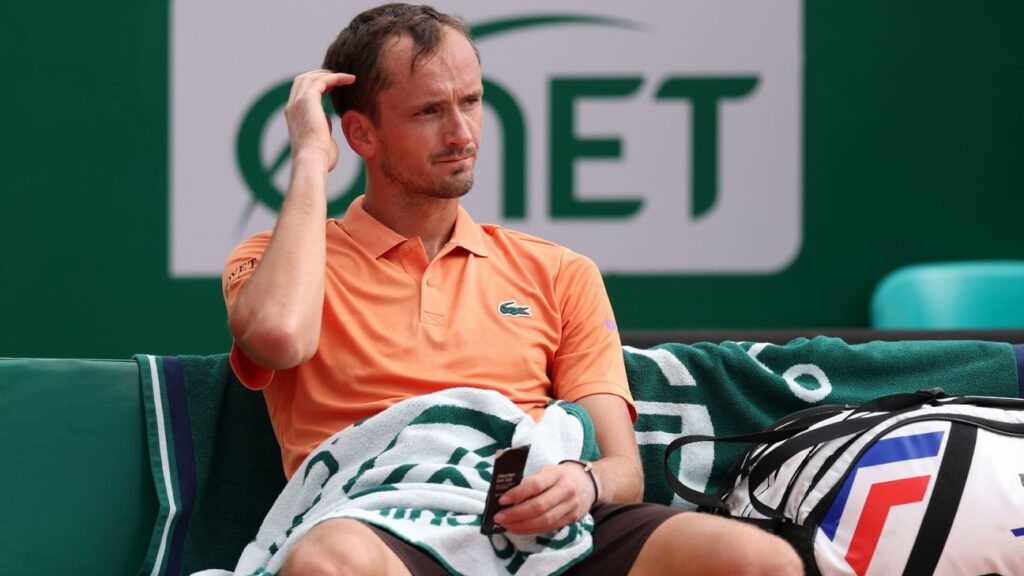
The Madrid episode also exposes a deeper tension within modern tennis. Players compete under extreme pressure, constant filming, and increasingly hostile crowd dynamics, but the public contract remains clear: frustration does not authorize contempt. Spectators can provoke, but the professional athlete carries the burden of restraint. That asymmetry is part of the job, and it is also part of the brand.
For Medvedev, the problem is not a single gesture. It is accumulation. His career has often been marked by brilliance, irony, conflict, and theatrical confrontation with audiences. That combination can make him compelling, but it can also erode the line between competitive personality and reputational damage. Madrid did not invent that tension; it simply exposed it again under a brighter light.
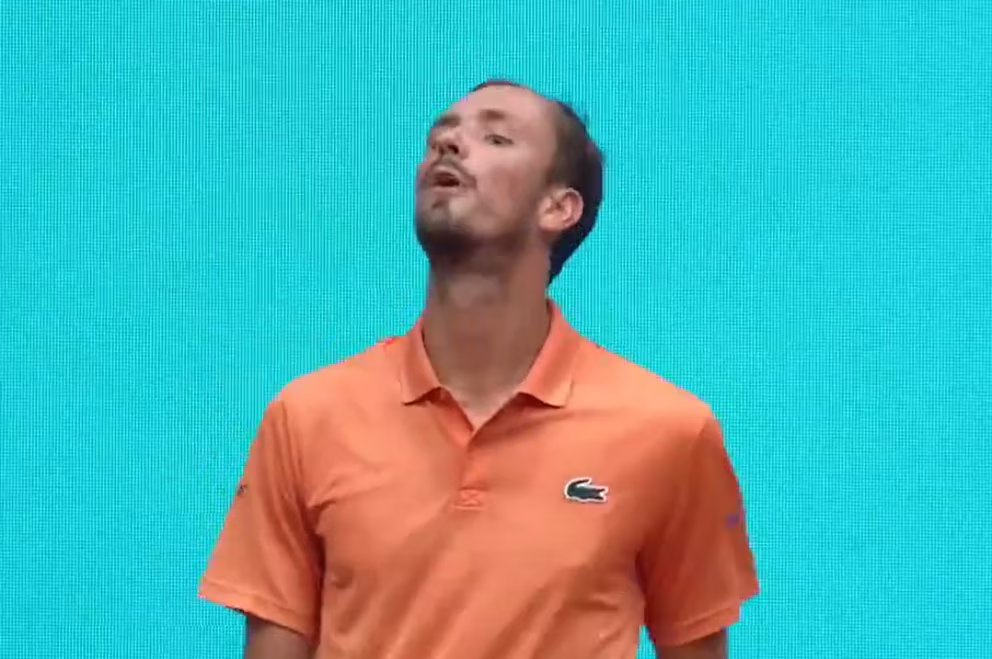
The victory moved him forward in the tournament, but the image that remained was not the scoreboard. It was the sight of a champion fighting not only an opponent, but the crowd, the umpire, and his own impulse. In a sport built on control, Medvedev’s greatest rival may still be the moment before reaction.
Behind every fact, there is intent. Behind every silence, a structure.