

 Phoenix 24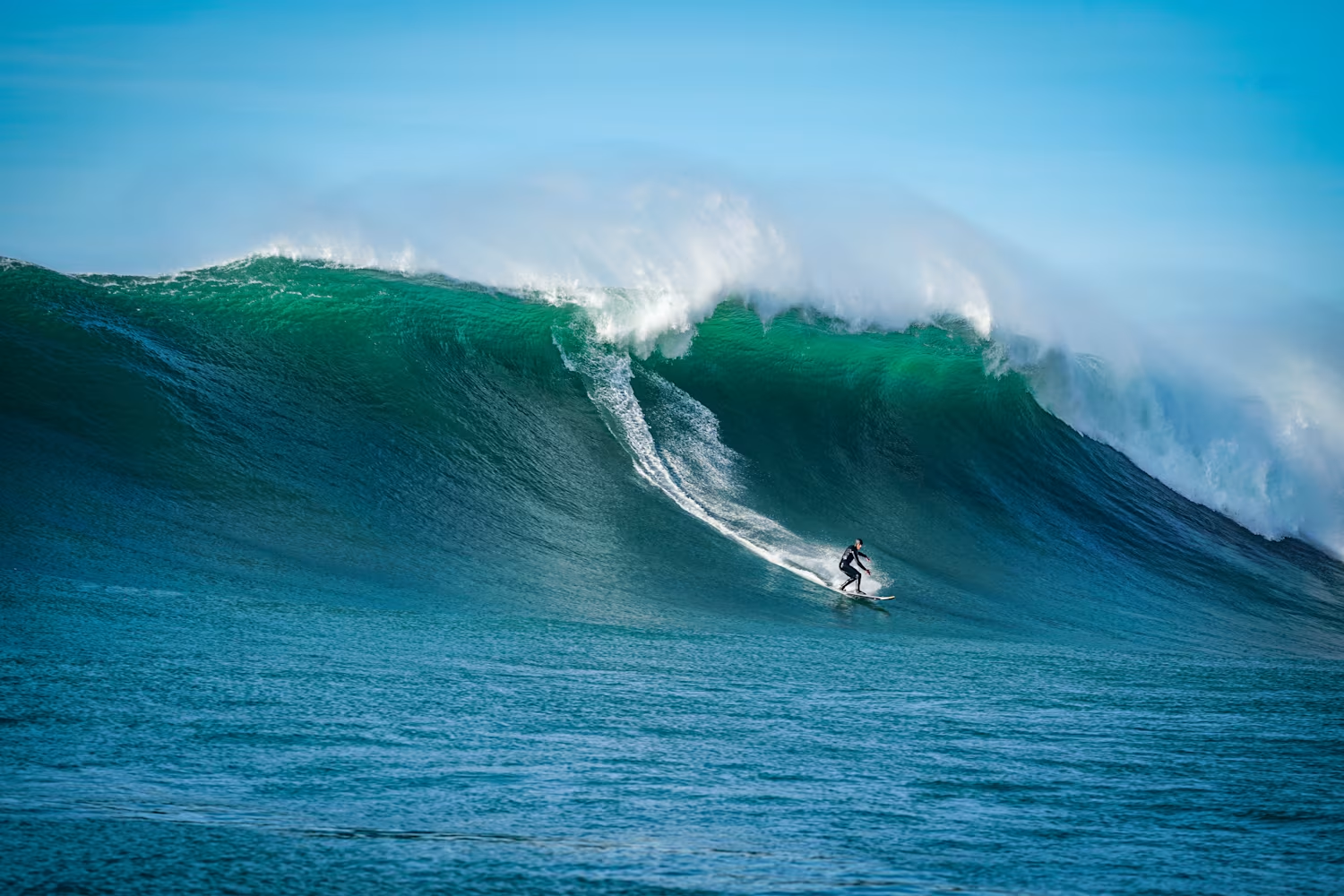
A comeback in Ireland rewrote the story.
Mullaghmore, March 2026.
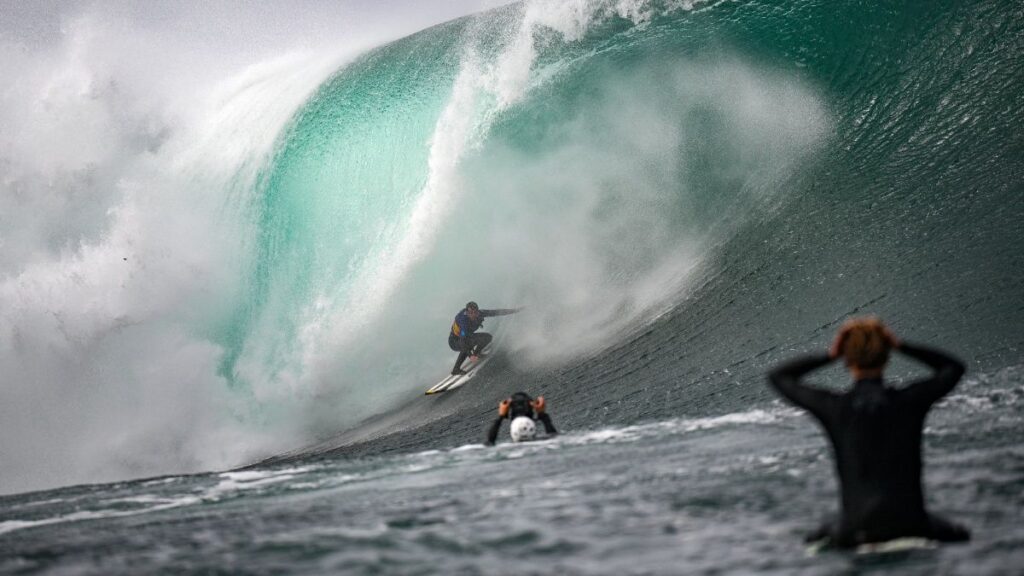
What looked not long ago like the possible end of Natxo González’s surfing career has turned into one of the most striking comeback stories in heavy water this year. The Basque surfer has returned in dramatic fashion at Mullaghmore, Ireland, where he rode what many around the break are describing as the heaviest paddle wave ever surfed there. The feat matters not only for its technical difficulty, but for what it represents after a period in which González was living much closer to forced retirement than to elite performance.
His return carries unusual weight because it follows nearly two years marked by serious physical and neurological problems. A heavy fall in Puerto Escondido and a later setback in Nazaré left him dealing with symptoms associated with multiple concussions, including dizziness, nausea and severe headaches. Those complications did more than interrupt momentum. They raised a deeper question about whether he would be able to continue competing and charging at the level that had defined his reputation.
That is what makes the scene in Mullaghmore so significant. This is not a forgiving wave, nor a place where comebacks are measured in sentiment. It is one of the most dangerous and demanding big wave environments in Europe, a break that tests judgment as much as courage. To return there after such a difficult period and produce a ride already being discussed in historic terms is not simply a sporting achievement. It is a reclaiming of identity under extreme conditions.
The broader meaning lies in the nature of big wave surfing itself. In most sports, a comeback can be staged gradually, with protected minutes, controlled preparation and manageable escalation. In heavy surf, that logic collapses. The athlete does not return in abstraction. He returns inside a moving, violent environment where hesitation carries consequences and where the body remembers every injury even when the mind insists on moving forward. González’s performance therefore reads as both a triumph and a reminder of how narrow the line is between recovery and risk.
There is also a psychological dimension that gives this moment unusual depth. To come back from neurological issues is not only to heal physically, but to rebuild trust in perception, reflexes and instinct. For a surfer operating in waves of this magnitude, that trust is everything. Mullaghmore did not merely offer him a stage. It forced a reckoning with fear, fragility and unfinished ambition.
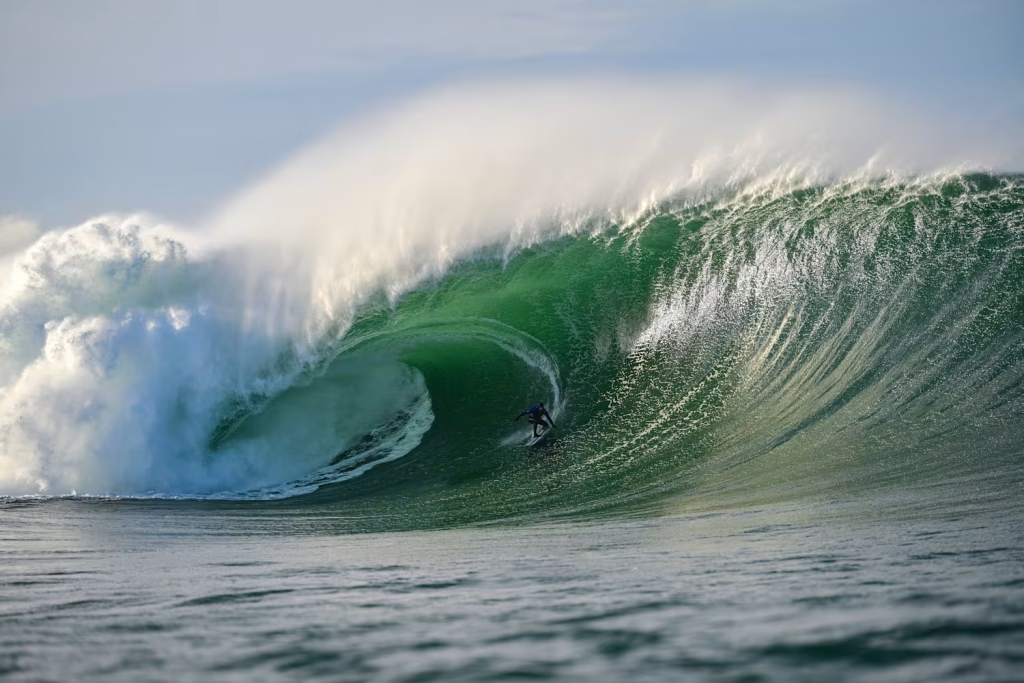
In that sense, this was more than the ride of a day. It was a statement that a career once shadowed by uncertainty still has the power to produce something exceptional. González did not just return. He returned in the kind of place where the ocean exposes whether a comeback is real. This time, it was.
Geopolitics, unmasked. / Geopolitics, unmasked.