

 Phoenix 24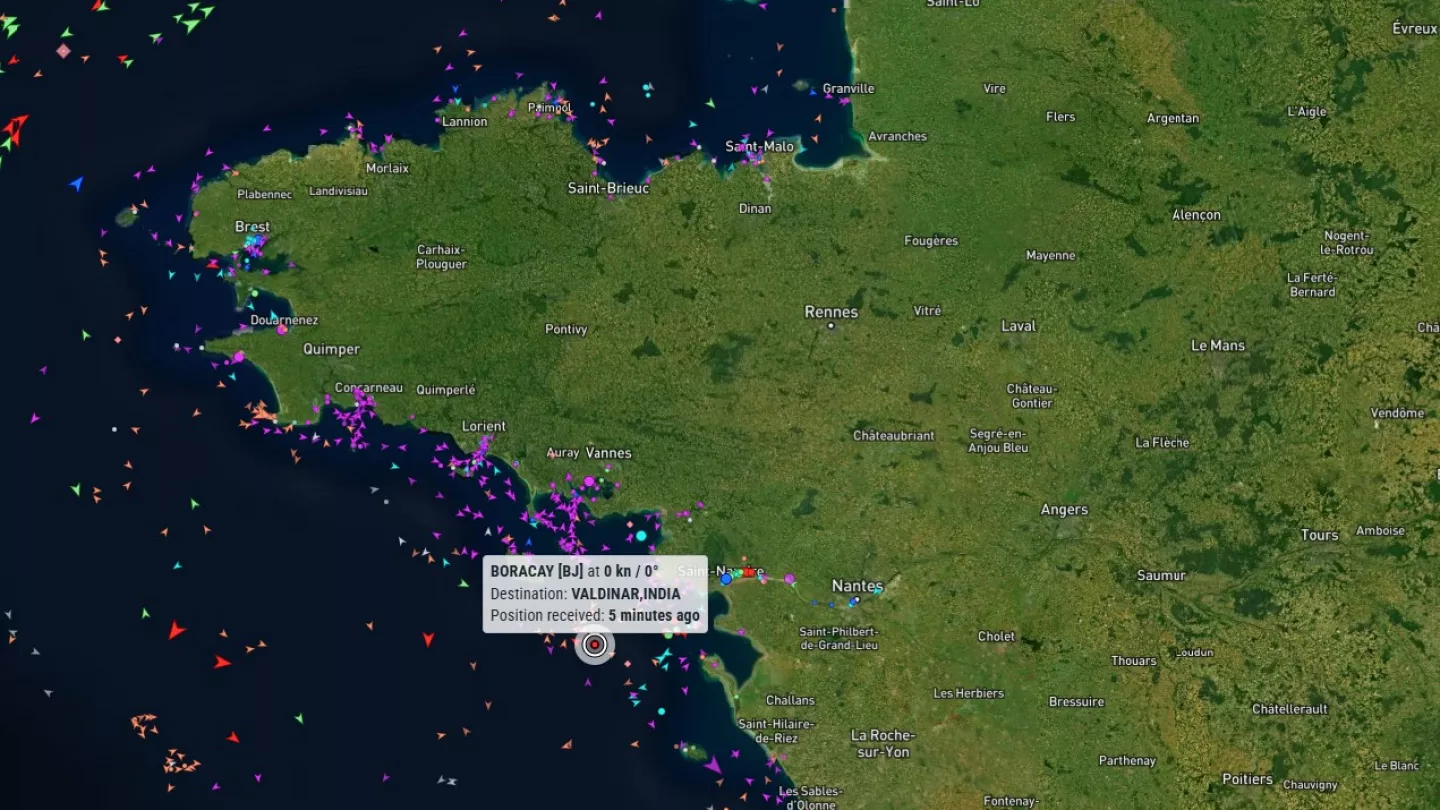
When maritime shadows arouse scrutiny, strategic tides shift without warning.
Paris, October 2025
French naval and intelligence authorities have launched an investigation into a vessel affiliated with Russia’s so-called “ghost fleet,” suspected of conducting covert missions in the Baltic region. The inquiry follows clues from satellite imagery and maritime traffic data that place the ship in contested waters and in proximity to zones of high military tension. French officials have not yet disclosed the vessel’s name, but internal sources suggest it may be operating under a shell company or registry designed to obscure its true affiliation.
The vessel’s recent trajectory raised red flags when it transited through French maritime zones en route to the North Sea, drawing attention from the Direction générale de l’armement and naval intelligence services. Analysts linked its pattern of maneuvers to known routes used by Russian auxiliary ships supporting naval logistics or surveillance in contested theaters, particularly around the Baltic states. The shift prompted Paris to coordinate with NATO maritime commands and Baltic partners to map its connections and evaluate potential risks to undersea cables, naval lanes, and regional maritime security.
In Berlin and Stockholm, naval attachés confirmed that suspicious Russian-flagged vessels had increased in frequency near the Gulf of Finland and the Kaliningrad corridor. Baltic monitoring systems reported unidentified acoustic signatures in restricted zones near Estonia and Latvia, consistent with auxiliary or intelligence ships operating in ‘dark mode’ — limited broadcasting of identifying data. The French investigation is seen as part of a broader pattern of European powers adapting to hybrid naval operations.
France’s Ministry of Defense declined on the record to confirm whether the vessel is part of the “ghost fleet” — a term applied to ships whose ownership, function or affiliation is masked. Yet sources within the ministry indicated that tracking the ship’s corporate registration, maintenance records, and port calls would be central to establishing its links to Russian maritime operations. The probe is being conducted in coordination with maritime intelligence agencies in Denmark, Sweden, and the Netherlands, leveraging shared databases to trace suspicious vessel activity.
The strategic implications are wide. The Baltic Sea remains a theater of strategic friction between NATO members and Russia, especially given Kaliningrad’s militarization, undersea infrastructure like fiber-optic cables, and naval exercises in the region. Ships operating under deceptive profiles can extend a state’s maritime reach while complicating attribution. In this landscape, France’s decision to publicly reveal the investigation signals an assertive posture—one intended to dissuade veiled naval power projection.
Some analysts interpret the French action as a message to Moscow: navigational opacity will no longer be tolerated near allied waters without scrutiny. French naval doctrine has increasingly emphasized domain awareness and the denial of hostile fleets the benefit of anonymity. The probe may also lead to asset freezes, diplomatic notes, or joint naval shadowing by France and NATO forces.
From a legal perspective, the ship’s registration under a third-country “flag of convenience” or shell corporation could complicate jurisdiction. Maritime law allows coastal states limited authority to board foreign vessels in international waters, but suspicion of hostile intent or violation of arms trafficking laws could justify a forced inspection. The unresolved question, however, is whether such vessels can be classified as instruments of state action or hybrid assets to fall under state responsibility doctrine.
The probe arrives amid rising tensions in the Baltic. Earlier this year, undersea cable disruptions, drone incursions, and increased submarine patrols exacerbated unease among Baltic capitals. Estonia, Latvia, and Lithuania have called on NATO to strengthen sea and cyber surveillance. For Paris, acting early may help preempt a creeping strategy of deniable influence across maritime space.
This French investigation may serve as a precedent. For nations vulnerable to clandestine naval encroachment, it signals that anomalies in ship registration, movement or behavior will trigger scrutiny, not silence. In the dense fog of maritime power, ships that choose to sail under shadow may soon find those pathways illuminated.
Phoenix24: journalism without borders. / Phoenix24: periodismo sin fronteras.