

 Phoenix 24
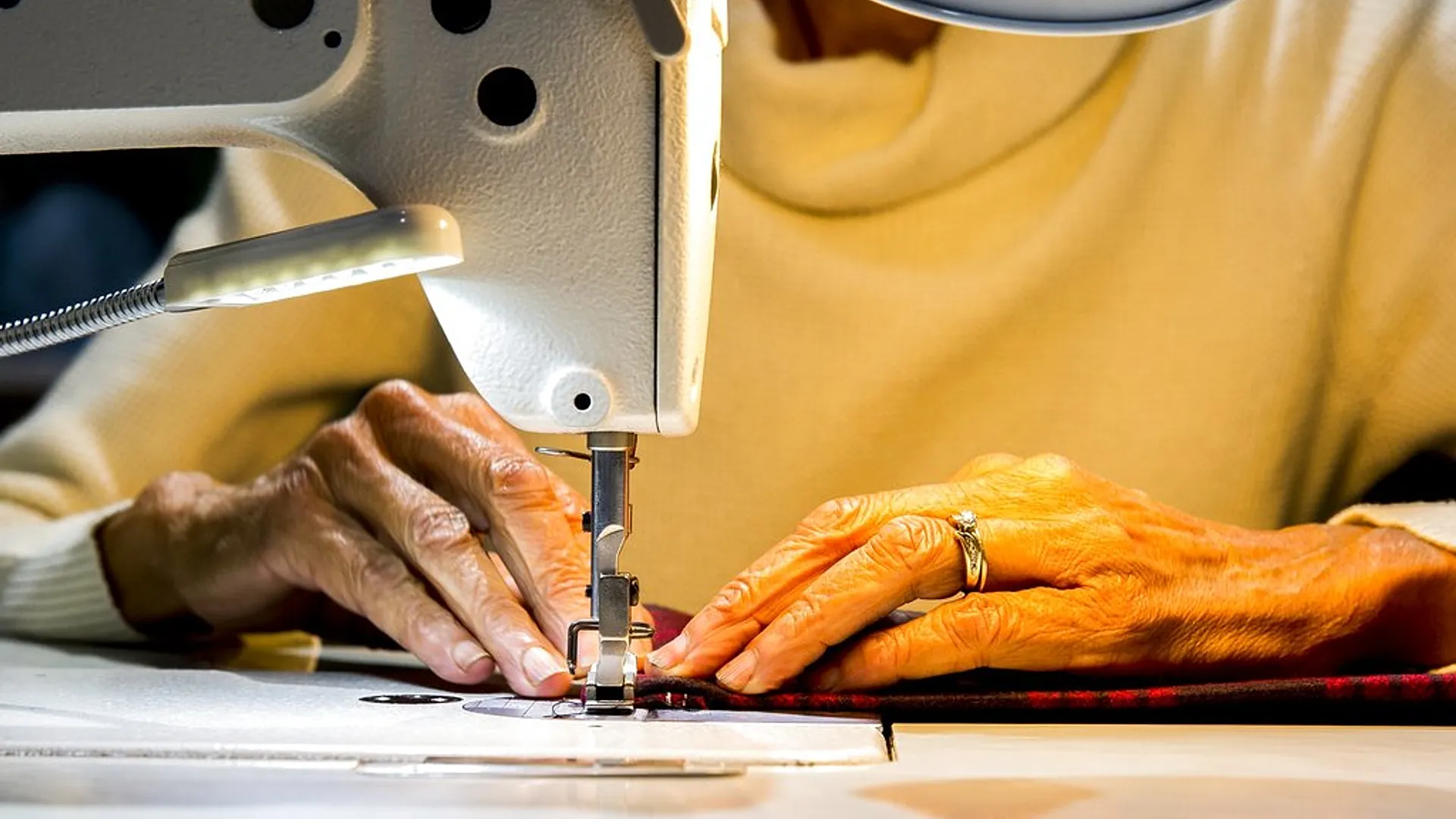
Behind every polished brand, there are stories that never make it to the runway.
London, December 2025
More than two hundred workers were found in conditions that investigators described as exploitative, all linked to the supply chains of thirteen major fashion brands operating in the United Kingdom. The findings, revealed after a coordinated inspection by labour authorities, uncovered a dense network of subcontractors where low wages, excessive hours and unsafe environments were the norm rather than the exception. What emerged was not an isolated breach but a structural pattern that exposes the vulnerability of an industry celebrated for elegance yet dependent on opaque production corridors that often operate far from the public eye.
Officials reported that the exploited workers had been concentrated in small garment workshops and logistics hubs that fed directly into the operational circuits of several globally recognised names. Many employees were migrants with precarious legal status, which made them reluctant to report abuses. Their testimonies indicated that employers used intimidation tactics and threats of dismissal to maintain control, reinforcing a climate where silence became both strategy and necessity. Analysts in Europe noted that such conditions tend to flourish in sectors where competition is high, margins are tight and brands rely heavily on multilayered outsourcing contracts that dilute accountability.
Economic observers at the Organisation for Economic Co-operation and Development have previously warned that global fashion supply chains exhibit structural weaknesses that leave workers exposed to exploitation. Their assessments emphasise that brands often benefit from a fragmented production model that allows risks to be externalised to subcontractors, making violations predictable rather than accidental. Meanwhile, research from the International Labour Organization confirms that forced labour in commercial supply chains remains a growing concern, with millions worldwide affected in industries ranging from agriculture to apparel. The United Kingdom, despite strong regulatory frameworks, is not immune to these vulnerabilities.
From Asia, analysts cited by the South China Morning Post highlight that the globalisation of fast fashion has created downward pressures on labour costs, compelling manufacturers to seek cheaper and less regulated production environments. These pressures, they argue, ripple through the system and affect even countries with relatively robust oversight. In Africa, experts at the Institute for Security Studies observe that illegal labour intermediaries often exploit migrants who travel through complex corridors of economic desperation and uncertain documentation. Their conditions make them easy targets for networks that profit from underpayment and coercion.
In the London investigation, authorities confirmed that several workers had no written contracts and were paid far below legal minimums. Others described environments lacking basic safety measures, such as proper ventilation and emergency exits. The moral contrast was striking: garments that would eventually sell for hundreds of pounds had been produced under conditions incompatible with international labour standards. For consumer advocacy groups, the revelation renewed demands for mandatory due diligence and stronger sanctions for brands that fail to monitor the practices of their suppliers.
The inspection also reignited debate about corporate responsibility. Scholars at the Reuters Institute note that reputational damage has become one of the most powerful drivers of change in global brands, often more effective than regulatory enforcement. When abuses surface, companies rush to distance themselves from the offending supplier, yet critics argue that such measures do little to address deeper structural failures. The lack of transparency in supply chain mapping remains a central obstacle. Even when brands attempt to implement oversight mechanisms, subcontractors frequently outsource further, creating a labyrinth of hidden labour pools beyond formal monitoring.
Authorities in the United Kingdom announced that the companies linked to the case will be required to cooperate fully with ongoing investigations, though they did not disclose the identities of the thirteen brands. Labour organisations insist that withholding the names undermines accountability, while government officials counter that premature disclosure could interfere with legal proceedings. Regardless of timing, the scale of the violations has intensified calls for a more aggressive enforcement strategy that includes random audits, public disclosure of compliance records and heightened penalties for non-compliance.
The episode has broader economic implications. Supply chain disruptions caused by sanctions, geopolitical tensions and shifting trade routes have pushed manufacturers to seek low-cost buffers wherever possible. As a result, informal labour markets grow, and compliance becomes more difficult to monitor. This environment creates fertile ground for exploitation, particularly for communities with limited bargaining power. Human rights observers caution that unless structural reforms are implemented at both national and international levels, the industry will continue to reproduce cycles of abuse.
The case that surfaced in London is a reminder that luxury, as presented to consumers, often hides a more complex and uncomfortable reality. Beneath the sheen of global fashion lies a system that can only maintain its speed and scale through labour arrangements that remain invisible to the public. The workers who stepped forward disrupted that invisibility. Their experiences now challenge the industry to confront the cost of its own efficiency and to reconsider the ethical foundations upon which its success is built. Whether this moment triggers meaningful reform or becomes another forgotten headline will depend on how aggressively governments, consumers and brands decide to confront the uncomfortable truth of where garments truly come from.
More than a story of labour abuse, the findings expose a structural truth: industries built on opacity rarely remain stable when confronted with visibility.
Facts that do not bend.
Hechos que no se doblan.