

 Phoenix 24
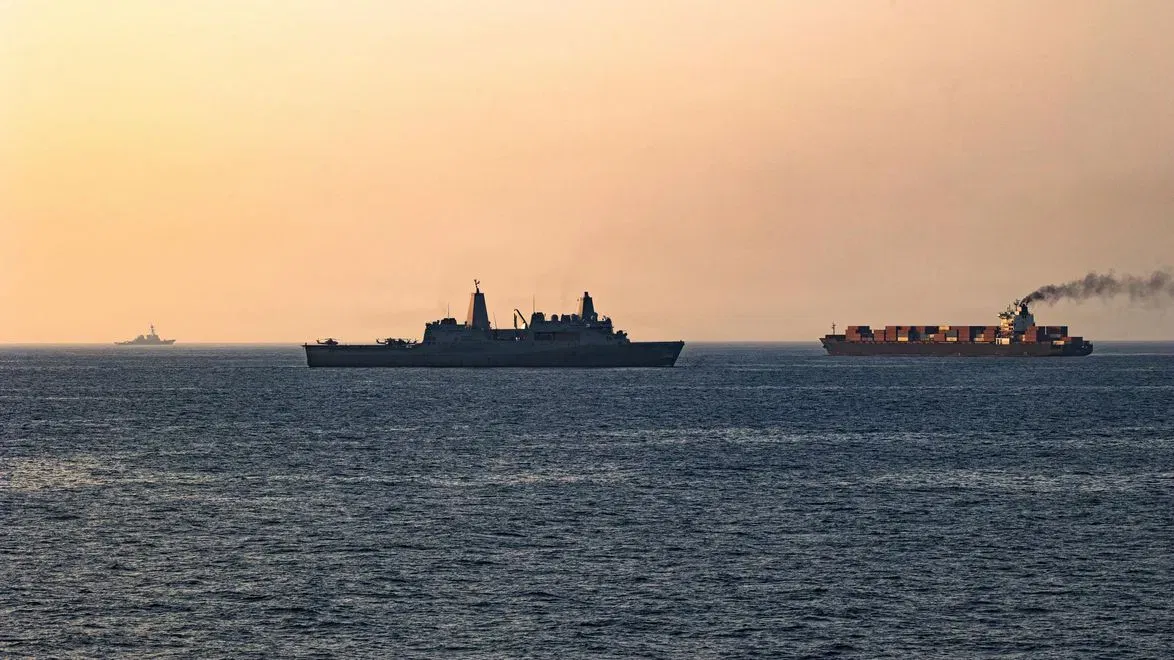
A phantom vessel exposes the dangers of digital deception.
BANDAR ABBAS
A supposed Iranian oil tanker reportedly crossing the Strait of Hormuz in defiance of a United States naval blockade has been identified as a fabricated vessel-tracking signal, raising concerns about maritime misinformation during an increasingly volatile regional confrontation. The ship, identified as Khat-Shekan, appeared in data displayed by the maritime monitoring platform MarineTraffic, suggesting that Iran might be attempting to challenge American restrictions on its oil exports. However, specialist monitoring organization TankerTrackers disputed the vessel’s existence after finding no satellite evidence supporting its reported movements.
The incident emerged amid heightened speculation that Tehran could organize a coordinated attempt to move oil tankers through the strategic waterway. The vessel’s reported name, which can be interpreted as a reference to breaking through a line or barrier, reinforced perceptions that the alleged movement might represent a deliberate challenge to the blockade. Yet the apparent breakthrough quickly became a case study in the vulnerabilities of digital maritime monitoring.
TankerTrackers reported that the information associated with the vessel’s Automatic Identification System, commonly known as AIS, contained inconsistencies and could not be corroborated through satellite observations. AIS technology ordinarily allows ships to transmit identification details, location, course and speed to nearby vessels and tracking networks. Although essential for maritime navigation, the system relies on electronic transmissions that can potentially be manipulated, creating false impressions about the presence or movements of ships.
The monitoring organization characterized the Khat-Shekan signal as spoofing, a technique involving the transmission or manipulation of misleading electronic information. The available reporting does not establish who created the signal or whether it originated from an organized disinformation operation. Nevertheless, the episode demonstrates how apparently credible technological data can generate geopolitical speculation before its authenticity has been independently established.
The disputed tracking information appeared as satellite imagery and maritime monitoring reports indicated that more than 14 oil tankers had gathered around Kharg Island, a major Iranian crude export terminal. Their presence has intensified attention on whether Tehran might attempt to move oil shipments despite American naval restrictions. The concentration of vessels, however, does not independently confirm that an organized effort to breach the blockade has begun.
The United States military announced that its maritime blockade against Iran had reached 130 consecutive days, describing the operation as an effort to restrict oil revenues benefiting the Islamic Revolutionary Guard Corps. US Central Command claimed that the measures had prevented the export of crude oil worth billions of dollars. These financial effects remain claims made by American military authorities rather than independently established figures within the latest reporting.
Iranian Foreign Minister Abbas Araghchi, meanwhile, declared that the blockade must be broken and reiterated Tehran’s intention to continue pursuing oil exports and diplomatic negotiations. President Donald Trump has described the American maritime restrictions in particularly forceful terms, emphasizing Washington’s determination to maintain pressure on Iran. The competing positions reflect a confrontation in which commercial shipping has become inseparable from military strategy and economic leverage.
The Strait of Hormuz remains one of the world’s most strategically important maritime corridors, normally handling approximately one-quarter of internationally traded seaborne oil. Disruptions affecting vessel movements, insurance conditions or regional security can consequently influence energy markets far beyond the Persian Gulf. Recent attacks against commercial vessels have further complicated the operating environment, increasing the importance of reliable maritime intelligence.
Beyond the immediate dispute surrounding Khat-Shekan, the incident highlights a broader challenge confronting governments, shipping companies and international observers. Digital tracking platforms provide valuable operational information, but the appearance of a vessel on a monitoring interface does not necessarily prove its physical existence. Satellite imagery, independent vessel identification and corroborating maritime records remain essential when electronic signals carry potentially significant security implications.
In a region where a single reported tanker movement can be interpreted as a military provocation, the distinction between verified information and technological manipulation carries considerable consequences. The nonexistent vessel illustrates how uncertainty itself can become a powerful element of geopolitical confrontation.
When Evidence Speaks, Narratives Change.