

 Phoenix 24
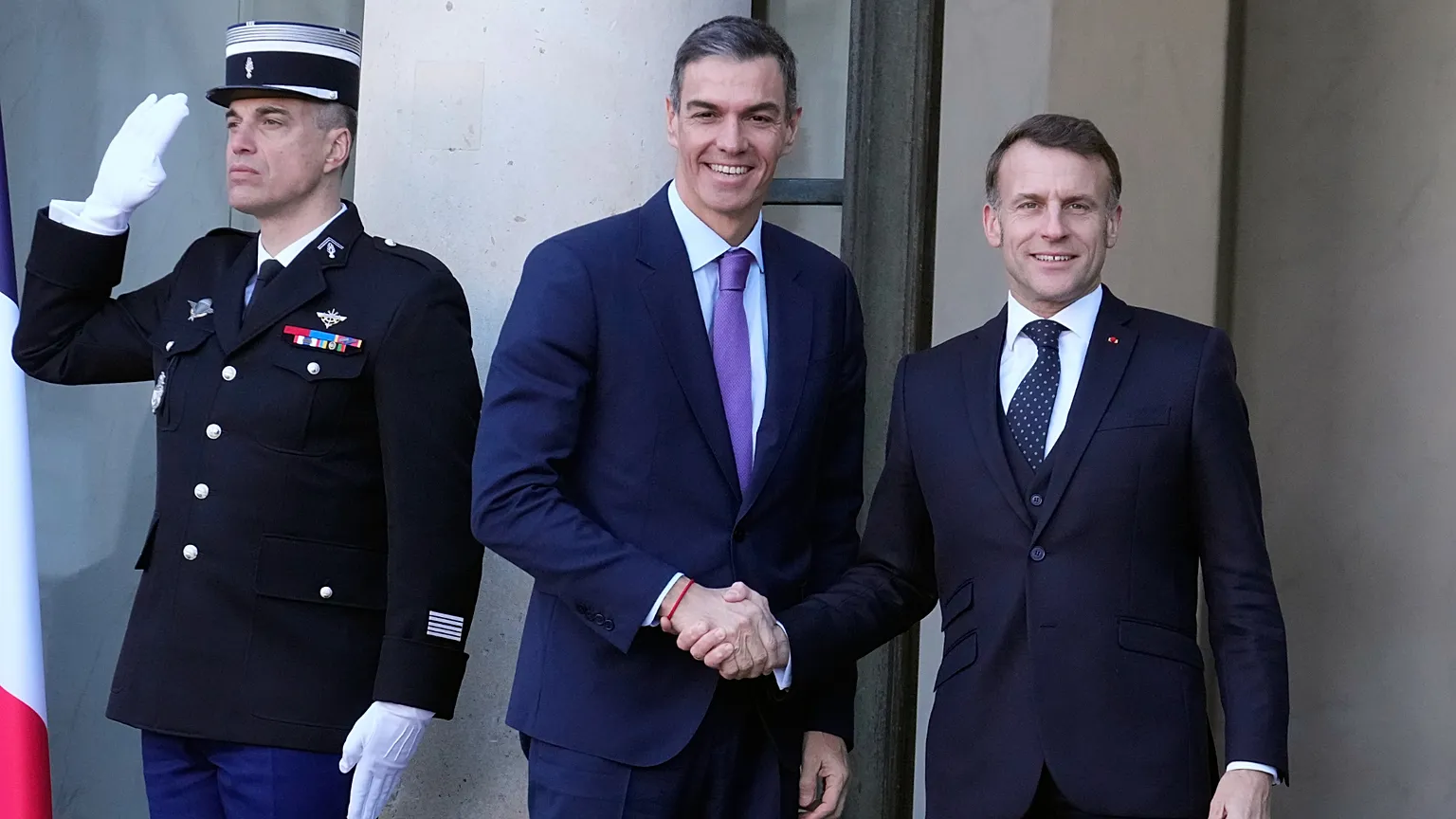
When security promises begin to involve boots on the ground, diplomacy enters a different phase.
Paris, January 2026. Europe is no longer debating abstract guarantees for Ukraine. It is negotiating presence. In the French capital, a coalition of willing states reached a political understanding that moves beyond weapons deliveries and financial aid, outlining the conditions under which European soldiers could be deployed on Ukrainian territory once active hostilities give way to a ceasefire or a broader peace framework.
The initiative brings together more than thirty countries operating outside formal treaty obligations but within a shared strategic logic. Their objective is deterrence through reassurance. Rather than committing combat forces, participating governments envision a multinational presence focused on training, coordination, protection of critical infrastructure and verification of post conflict arrangements. The message is calibrated. Ukraine would not be left alone in the fragile aftermath of war, and any future settlement would be underwritten by tangible international commitment rather than distant declarations.
France and the United Kingdom have emerged as central architects of the plan. Both governments have publicly signaled readiness to contribute personnel under strict non combat mandates. The envisioned deployments would be limited in scope and framed as stabilizing rather than confrontational. Military planners describe hubs dedicated to logistics, advisory support and force integration, designed to strengthen Ukrainian capabilities while avoiding direct engagement with Russian units. The distinction is politically essential. Presence is meant to deter escalation, not provoke it.
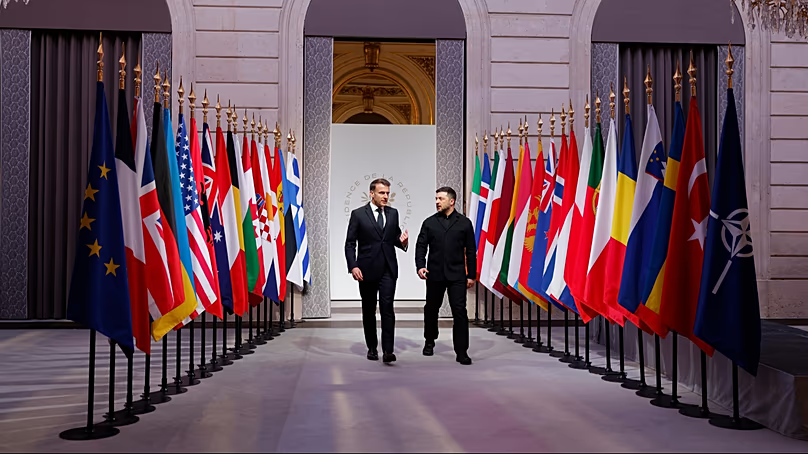
The United States has endorsed the initiative without placing its own troops at the forefront. Washington’s role is oriented toward intelligence coordination, surveillance architecture and strategic oversight. According to defense analysts familiar with transatlantic planning, this division of labor reflects a broader recalibration. Europe assumes greater visible responsibility on the ground, while the United States reinforces the backbone of verification and deterrence from a distance. It is a shift consistent with long standing calls for European strategic maturity.
Not all European capitals approach the pact with the same enthusiasm. Germany has expressed support for security guarantees while maintaining reservations about stationing forces inside Ukraine. Berlin’s preference leans toward reinforcement from neighboring territories and expanded NATO readiness rather than direct deployment. Southern European states have been more cautious, balancing solidarity with domestic political constraints and concerns about mission creep. These variations underline a central reality. The coalition is unified by purpose, not by identical risk tolerance.
From Kyiv’s perspective, the pact addresses a core vulnerability. Ukrainian leaders have repeatedly argued that ceasefires without enforcement mechanisms invite renewed aggression. According to assessments by NATO affiliated research bodies, post conflict environments are most unstable when security guarantees remain symbolic. A limited multinational presence, even without combat authority, alters calculations by raising the political and diplomatic cost of renewed hostilities. It also provides reassurance to investors and reconstruction partners assessing long term engagement.
Moscow has rejected the initiative outright. Russian officials have warned that any foreign military presence in Ukraine would be interpreted as interference, regardless of mandate. This response was widely anticipated. Analysts at European security institutes note that the pact is designed precisely to operate below the threshold of direct confrontation while still shaping the strategic environment. It tests how far deterrence can be strengthened without crossing red lines that trigger escalation.
The broader context matters. After nearly three years of high intensity conflict, fatigue is visible across Europe. Public opinion surveys show sustained support for Ukraine paired with growing demand for a credible endgame. Governments face pressure to demonstrate that sacrifices made so far lead to durable outcomes. The volunteer coalition offers a narrative of responsibility and control. It suggests that peace, if achieved, will be managed rather than hoped for.
There are risks. Human rights organizations and legal experts caution that any deployment must operate under transparent rules and clear accountability to avoid ambiguity. A poorly defined mission could expose troops to political backlash or legal disputes if violence resumes. Economic institutions have also flagged cost considerations, noting that long term stabilization missions require sustained funding and political attention that can erode over time.
Yet the pact signals an evolution in European security thinking. It reflects lessons drawn from past conflicts where international guarantees proved insufficient without physical presence. According to strategic assessments produced by European defense agencies, deterrence in the current era relies on credibility, visibility and continuity. Financial aid alone cannot fulfill those criteria. Nor can declarations detached from operational reality.
What emerges from Paris is not a finalized deployment plan but a framework of intent. It marks the moment when European states collectively acknowledged that Ukraine’s security is inseparable from their own and that post war stability will demand more than distant support. Whether the coalition ultimately deploys forces will depend on developments on the ground and the contours of any agreement. Still, the threshold has shifted. The conversation is no longer theoretical.
In redefining guarantees as something that can be seen and measured, Europe is testing its capacity to act as a security provider rather than a reactive supporter. The outcome will shape not only Ukraine’s future but the credibility of European power in an increasingly unstable world.
Más allá de la noticia, el patrón.
Beyond the news, the pattern.