

 Phoenix 24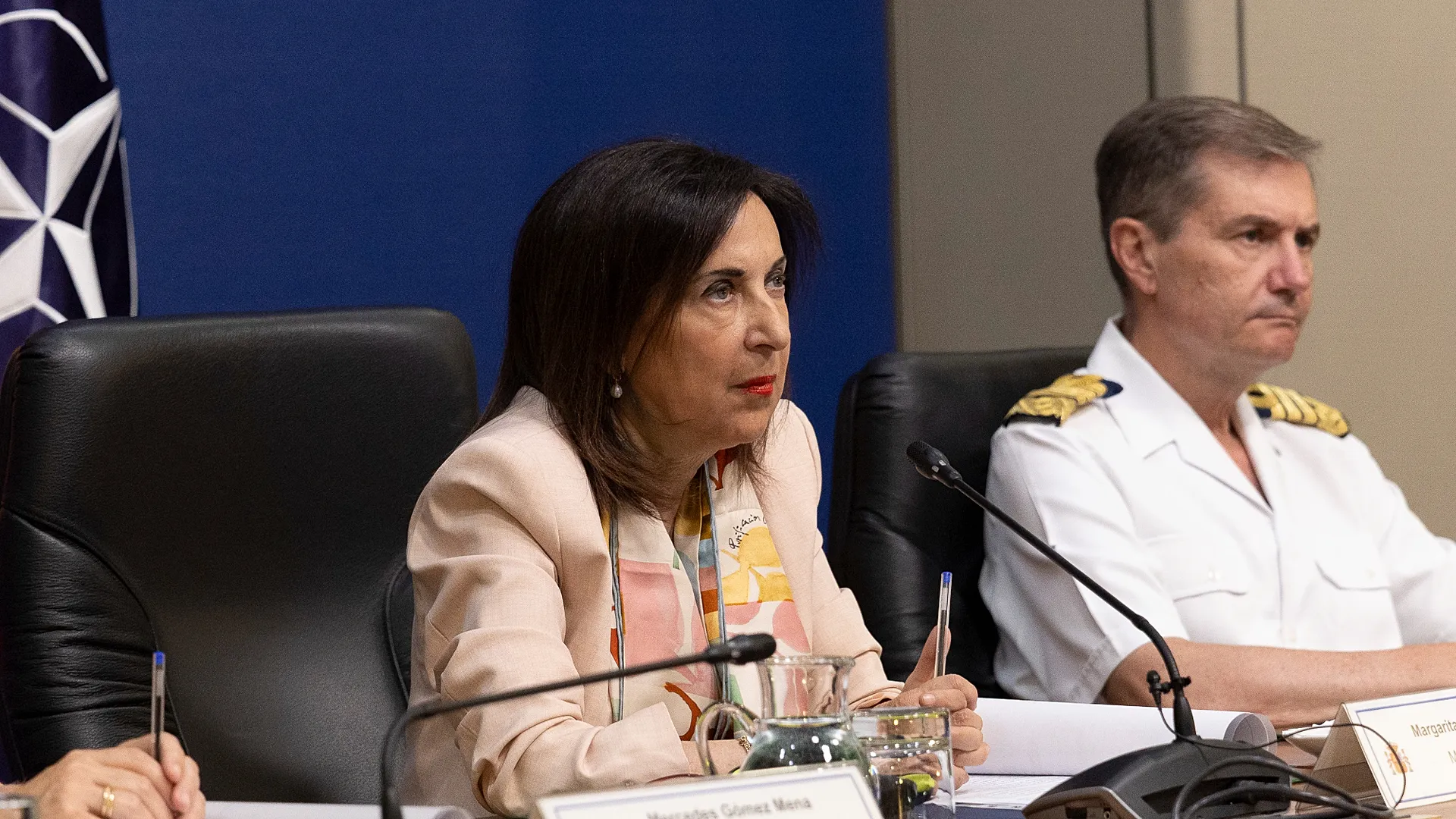
Strategic autonomy fails when industry outruns politics.
Brussels, June 2026. Europe’s ambition to build a new generation of combat aviation has entered a dangerous phase: not because the continent lacks money, technology or strategic need, but because its industrial politics remain trapped in national reflexes. Spain’s defense minister, Margarita Robles, criticized the collapse of the European fighter initiative after internal disputes among manufacturers derailed a program designed with France and Germany at its core.
The failed project, known as FCAS, was supposed to become the symbol of Europe’s military future. Instead, it has exposed an old weakness: when European security requires integration, national champions still fight for control, prestige and industrial share. Robles framed the issue with unusual clarity, arguing that business interests had been placed above Europe’s security needs.
The fracture matters because Europe is no longer operating in a benign strategic environment. The war in Ukraine, Russian pressure on the eastern flank, airspace vulnerabilities and the uncertain durability of U.S. security guarantees have made next-generation air power a geopolitical necessity, not a luxury procurement file. A sixth-generation aircraft is not simply a plane; it is a platform for sensors, drones, artificial intelligence, electronic warfare and command dominance.
France, Germany and Spain now face a difficult recalibration. Alternatives are already circulating, including possible Spanish-German routes with Swedish participation, while the British-Italian-Japanese GCAP program emerges as a competing pole of attraction. For Spain, the risk is clear: move too slowly, and it may lose influence in the architecture of Europe’s next defense ecosystem.
The deeper problem is that Europe keeps confusing announcements with power. Strategic autonomy cannot be built through summits alone; it requires governance, industrial discipline and political sacrifice. If every capital wants sovereignty but no one wants to concede leadership, Europe will keep producing communiqués while others produce systems.
Robles’ criticism is therefore more than a domestic defense statement. It is a warning about the structural gap between Europe’s geopolitical rhetoric and its industrial capacity to act as a bloc. The collapse of the fighter plan does not end Europe’s air-defense ambitions, but it does reveal the price of fragmentation at the exact moment when fragmentation is becoming a strategic vulnerability.
Más allá de la noticia, el patrón. / Beyond the news, the pattern.