

 Phoenix 24
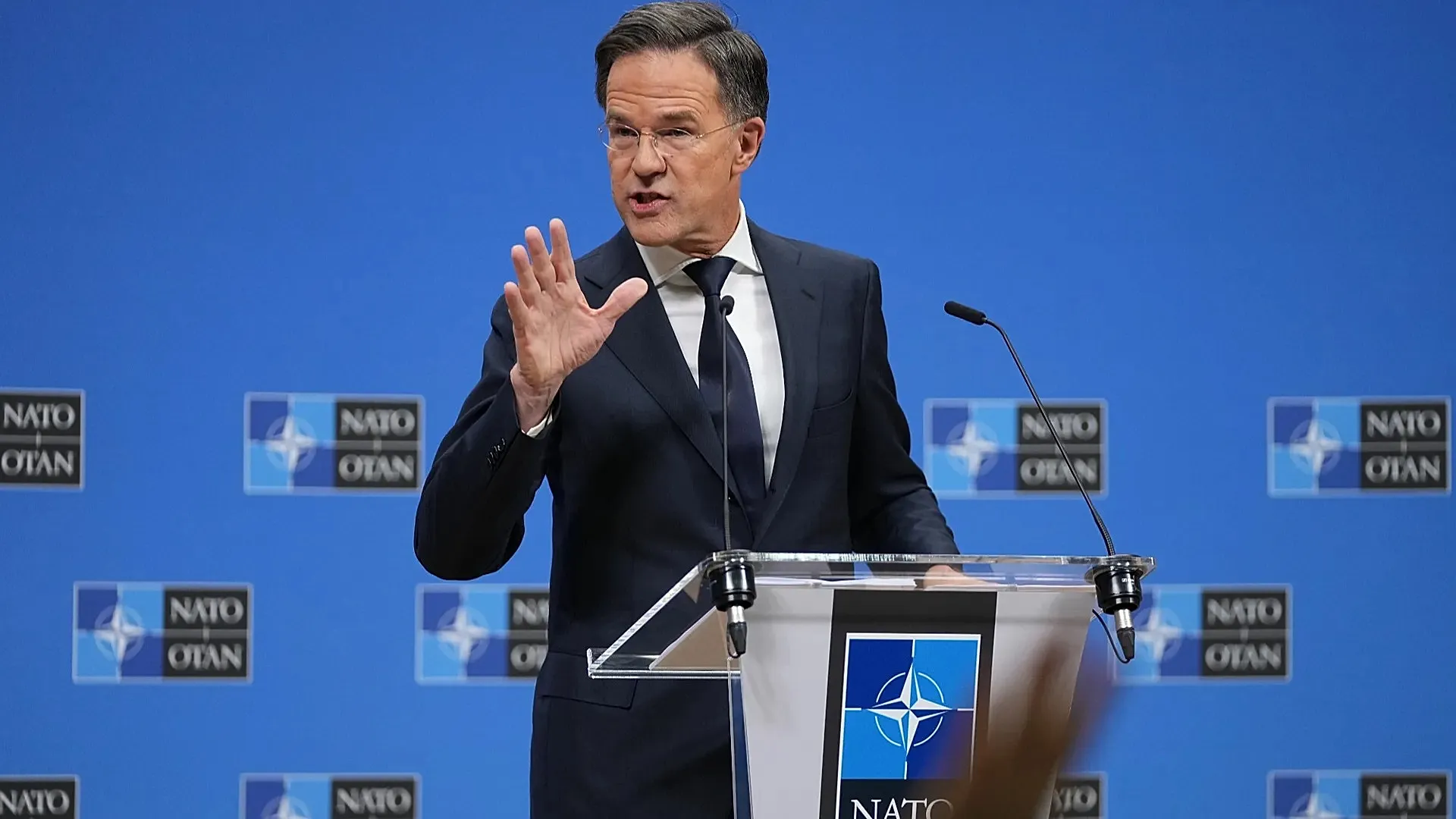
Defense spending reveals more than budgets. It exposes priorities, fears and the true architecture of power.
Brussels, December 2025
Europe and Canada are on track to end the year with one of the highest levels of U.S. weapons purchases recorded in more than two decades, a shift that is redefining the industrial and strategic balance across the North Atlantic. According to consolidated assessments from international defense-market monitors, combined acquisitions are projected to exceed four point three billion euros, a figure that reflects the urgency with which Western governments have reinforced their arsenals amid protracted conflicts, technological rivalries and rising demands for interoperable military systems.
Across Europe, analysts cited by regional economic observatories note that demand has concentrated on air defense systems, advanced radar architectures, surveillance platforms and critical components for armored capabilities. These categories correspond to segments in which the U.S. defense industry maintains a deep technological advantage. Meanwhile, U.S. policy think tanks have observed that Washington has accelerated weapons approvals to strategic allies, particularly those embedded in shared command-and-control frameworks that underpin transatlantic defense. Asian institutes tracking global arms markets have echoed this trend, noting steady expansion of U.S. exports toward NATO partners and states seeking to mitigate vulnerability to potential disruptions in Europe’s own stalled production cycles.
In Canada, the pattern reflects a dual imperative: modernizing continental air defense and elevating military capabilities to match tightening technological standards. Canadian policy institutes specializing in national security have explained that adopting U.S. systems facilitates operational integration with American forces, streamlining training, joint deployments and technical maintenance. Still, parliamentary voices in Ottawa have raised concerns over deepening dependence on U.S. hardware, a debate that has grown louder in academic forums and strategic research centers across Western Europe.
Inside the European Union, the picture is even more layered. While expanded purchases of U.S. equipment offer an immediate, pragmatic response to urgent defense needs, they have also stirred friction among member states advocating for stronger continental industrial capacity. Experts quoted in European media emphasize that Europe’s defense industry is undergoing a fragile transition marked by production delays, shortages in specialized components and insufficient ammunition output. This gap has allowed U.S. firms, supported by robust production lines and integrated technological ecosystems, to dominate urgent procurement channels.
At the same time, global security pressures have pushed several European governments to increase defense budgets, a movement recorded by international organizations that track military expenditure. Research institutes in North Africa and the Middle East have compared these developments to previous rearmament cycles, noting that Europe’s acceleration reflects an environment shaped by hybrid threats, energy competition and contested borders. Despite elevated spending, dependence on external suppliers persists, revealing structural constraints that remain unresolved.
Recent negotiations have also exposed internal divisions within the bloc. Some governments prefer industrial partnerships with Washington, citing reliability and speed of delivery, while others advocate for coordinated European defense conglomerates capable of competing globally. Academic analysts warn that Europe’s fragmented market undermines its industrial competitiveness and slows adoption of critical technologies such as military artificial intelligence, high precision sensor suites and integrated command-and-control systems.
The end-of-year picture leaves several questions unresolved. How much strategic dependence on U.S. technology are European governments willing to accept. How quickly can Europe rebuild an industrial base capable of sustaining demand under crisis conditions. And what this surge in acquisitions means for the evolving architecture of the North Atlantic, particularly as Canada deepens its integration into continental defense modernization and Europe recalibrates its role in global power corridors.
What is clear is that the surge in U.S. arms purchases reflects far more than a procurement cycle. It is a snapshot of global uncertainty and a reminder that in the contemporary strategic environment, defense spending has become one of the sharpest indicators of political alignment and industrial vulnerability.
Phoenix24: clarity in the grey zone. / Phoenix24: claridad en la zona gris.