

 Phoenix 24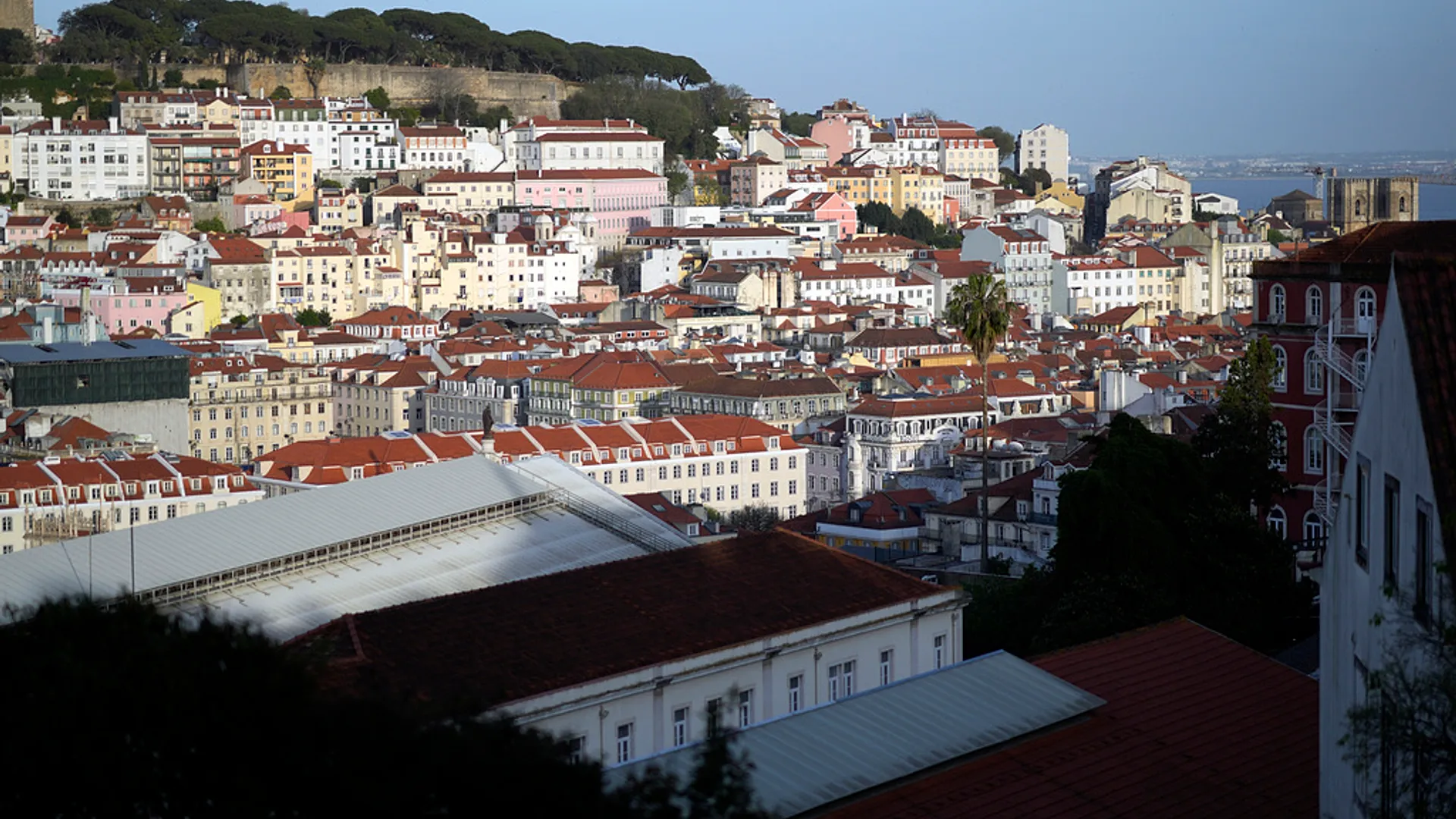
The alert from Brussels reignites the debate over access to housing across Europe’s southern economies.
Lisbon, October 2025.
The European Commission has warned that Portugal’s housing market shows signs of significant overvaluation, driven by speculative investment and rising construction costs. In a recent report presented in Brussels, the institution identified Portugal as one of the EU countries where property prices have detached most sharply from household income levels.
According to the European executive, the imbalance has been accentuated by the concentration of foreign capital in Lisbon and Porto, together with a slowdown in new housing projects due to higher financing rates. The report notes that real estate values in Portugal have risen more than 60 percent in the past five years, while average salaries have grown by less than 20 percent.
Officials from the Portuguese Ministry of Finance acknowledged that the situation is “complex” and linked to structural factors such as tourism dependence, digital-nomad residency programs, and limited housing supply. The government is currently reviewing tax incentives for short-term rentals, which Brussels identified as one of the main pressures on urban housing availability.
The European Central Bank has also highlighted the risk of “price correction” in several member states if monetary policy remains restrictive. In its financial stability review, the ECB placed Portugal, Spain and Ireland among the markets with the highest exposure to abrupt valuation adjustments. Economists from the OECD added that the Portuguese real estate cycle shows “symptoms of saturation” and warned that excessive reliance on foreign investment could magnify future downturns.
From the local perspective, data from the Instituto Nacional de Estatística confirm that average housing prices in Lisbon now exceed six times the average annual income, the highest ratio since 2008. In response, the Portuguese government announced new measures to accelerate social housing construction and to impose restrictions on speculative property acquisitions in designated urban zones.
The Bank of Portugal stated that household indebtedness has stabilized but remains above pre-pandemic levels, reflecting a growing dependence on variable-rate mortgages. Financial institutions are already adjusting lending criteria, anticipating a potential cooling of the market in 2026.
Despite the warning from Brussels, real estate agencies maintain optimism, arguing that demand from foreign residents and returning emigrants continues to support prices. However, associations representing young professionals describe the housing situation as “unsustainable,” pointing to a structural gap between wages and property costs that threatens social mobility.
The European Commission concluded that, unless corrective measures are implemented in the coming year, the imbalance could undermine Portugal’s broader economic recovery. The institution recommended tighter regulation of rental platforms, fiscal disincentives for speculative ownership, and stronger coordination between local governments and national authorities to expand affordable housing.
Truth is structure, not noise. / La verdad es estructura, no ruido.