

 Phoenix 24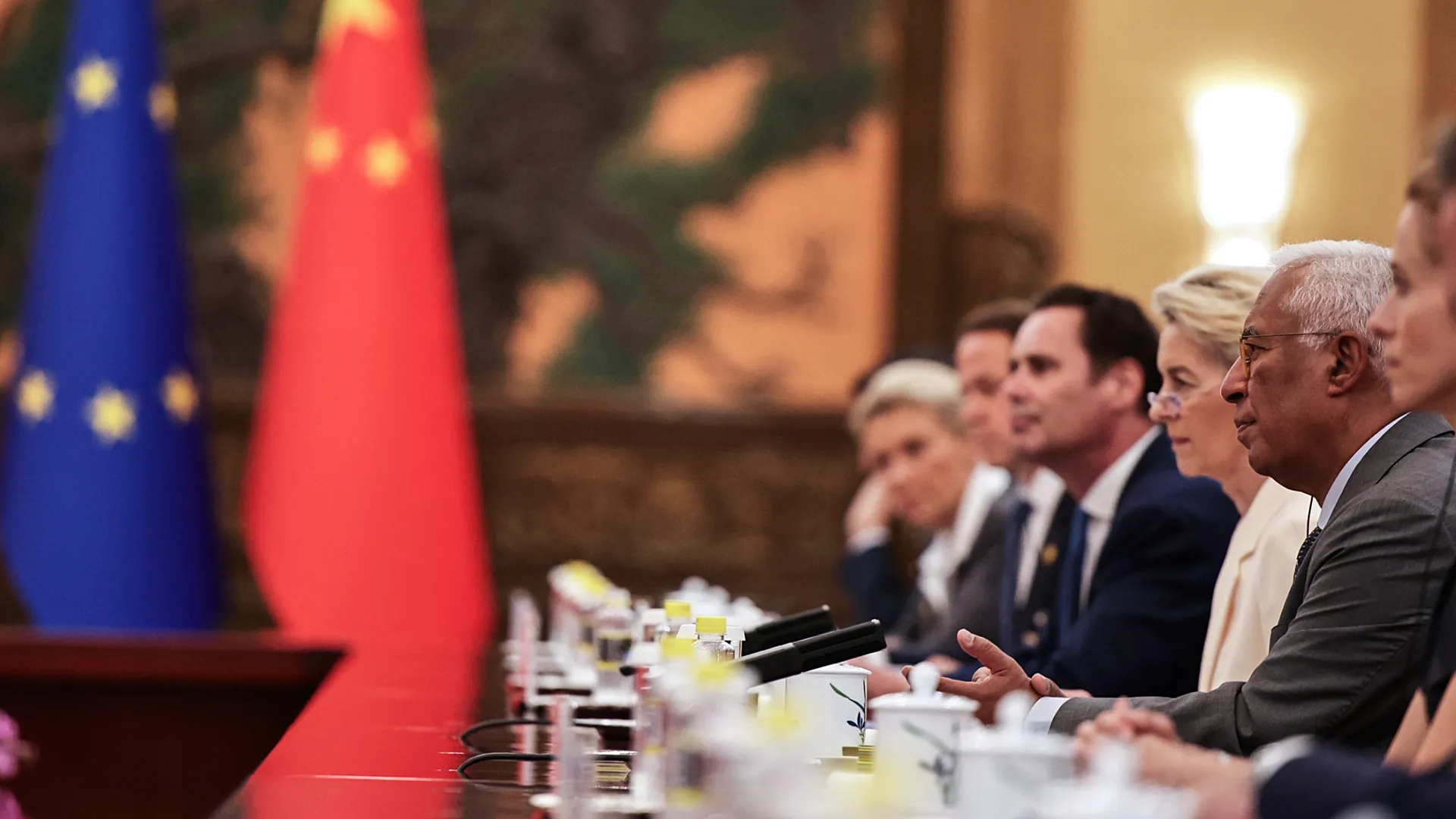
A record commercial imbalance is forcing Brussels to combine negotiation with economic pressure.
BRUSSELS, BELGIUM
European Union officials will travel to China in the coming days as Brussels seeks measurable progress in negotiations aimed at reducing a trade deficit worth approximately €1 billion per day. The European Commission wants technical discussions to produce tangible results before EU Trade Commissioner Maroš Šefčovič visits China in October.
The negotiations began in June but have become increasingly tense. Beijing recently prohibited Chinese companies from providing information to European authorities in investigations conducted under the EU Foreign Subsidies Regulation. The measure is designed to prevent foreign state support from distorting competition within the European single market.
China described the European investigations as an improper application of extraterritorial jurisdiction. The immediate dispute concerns the EU’s examination of Chinese e-commerce group JD.com and its proposed €2.5 billion acquisition of German electronics retailer Ceconomy. Brussels is assessing whether foreign subsidies could give the buyer an unfair advantage.
The confrontation extends beyond a single transaction. An OECD report concluded that Chinese companies can receive subsidies up to eight times larger than those provided by member countries. European manufacturers are also facing greater competition from lower-cost Chinese imports in sectors including electric vehicles, green technology and industrial equipment.
Despite the negotiations, the European Commission has continued opening anti-dumping cases against Chinese products. EU governments have instructed Commission President Ursula von der Leyen to review the bloc’s trade-defence instruments while maintaining a dialogue focused on concrete results rather than broad political declarations.
Brussels and Beijing have created a joint monitoring mechanism to exchange data, improve transparency and track trade flows. Market access remains the central disagreement. China accuses the EU of using new regulations to exclude its companies, while European governments argue that their businesses encounter unequal conditions and restricted access inside China.
The October deadline also reflects Europe’s dependence on Chinese rare earths. A one-year arrangement governing exports of these critical minerals is due to expire that month. They are essential for Europe’s automotive, clean-energy, electronics and defence industries, giving Beijing considerable leverage over European production.
The delegation’s task is therefore larger than reducing the numerical deficit. Europe must preserve access to essential materials while defending its industries against subsidised competition and avoiding an uncontrolled trade confrontation. Whether those objectives can coexist will determine the credibility of the EU’s emerging economic-security strategy.
Geopolítica, sin maquillaje. / Geopolitics, unmasked.