

 Phoenix 24
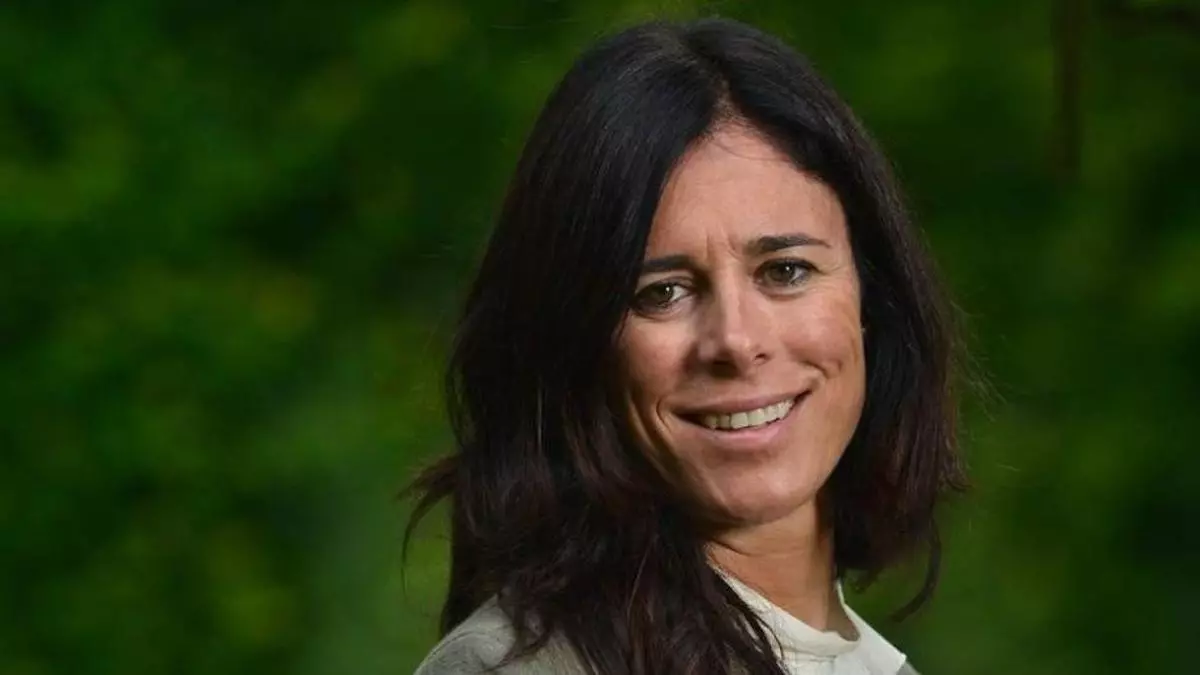
Conquering mountains was easier than escaping other people’s expectations.
TOLOSA, Spain
Edurne Pasaban, the pioneering Spanish mountaineer who became the first woman to climb all 14 of the world’s peaks above 8,000 meters, is drawing renewed attention to the personal sacrifices behind her extraordinary achievements. At 53, the former elite climber has reflected on family expectations, professional identity and the freedom she discovered in the mountains. Her experiences reveal a dimension of sporting success rarely captured by records or championship celebrations.
Born in the Basque Country in 1973, Pasaban initially followed a professional path shaped by her family’s industrial business. She studied engineering at the University of the Basque Country and worked for the family company, which manufactured specialized machinery for the paper industry. Yet her ambitions increasingly moved beyond conventional employment toward the uncertainty and personal independence of high-altitude mountaineering.
In interviews published during 2026, Pasaban described how climbing became more than an athletic pursuit. Coming from a traditional family environment, she experienced the mountains as a place where decisions belonged entirely to her. She also reflected on the continuing influence of her father, explaining that family approval remained important even in adulthood. Those observations offer a striking contrast between the independence demanded by extreme mountaineering and the expectations that can persist within private life.
Her sporting achievements established her place in history in 2010, when she completed the 14 eight-thousand-meter summits. The accomplishment required years of preparation, repeated expeditions and exposure to environments where physical exhaustion and unpredictable conditions could become life-threatening. But reaching the final summit did not eliminate the challenges of finding purpose beyond competitive achievement.
After retiring from her most demanding expeditions, Pasaban redirected her experience toward entrepreneurship, executive coaching and education. She developed business projects and began advising organizations on leadership, teamwork and decision-making. Rather than treating mountaineering solely as a personal success story, she has used its lessons to examine how individuals and teams respond to uncertainty, responsibility and setbacks.
Her later reflections also address motherhood and the pressures placed on women pursuing unconventional careers. Pasaban has discussed how expectations surrounding family responsibilities can influence the opportunities available to female athletes, particularly in disciplines requiring prolonged absences and substantial physical risk. Her perspective connects elite sport with broader questions about autonomy, professional opportunity and social judgment.
Now embracing a different stage of life, Pasaban continues to pursue outdoor activities while prioritizing family and professional commitments. Her story suggests that achievement cannot be measured exclusively by the number of summits reached, because personal freedom and the ability to redefine success remain equally consequential.
Behind Every Decision, a Larger Consequence.