

 Phoenix 24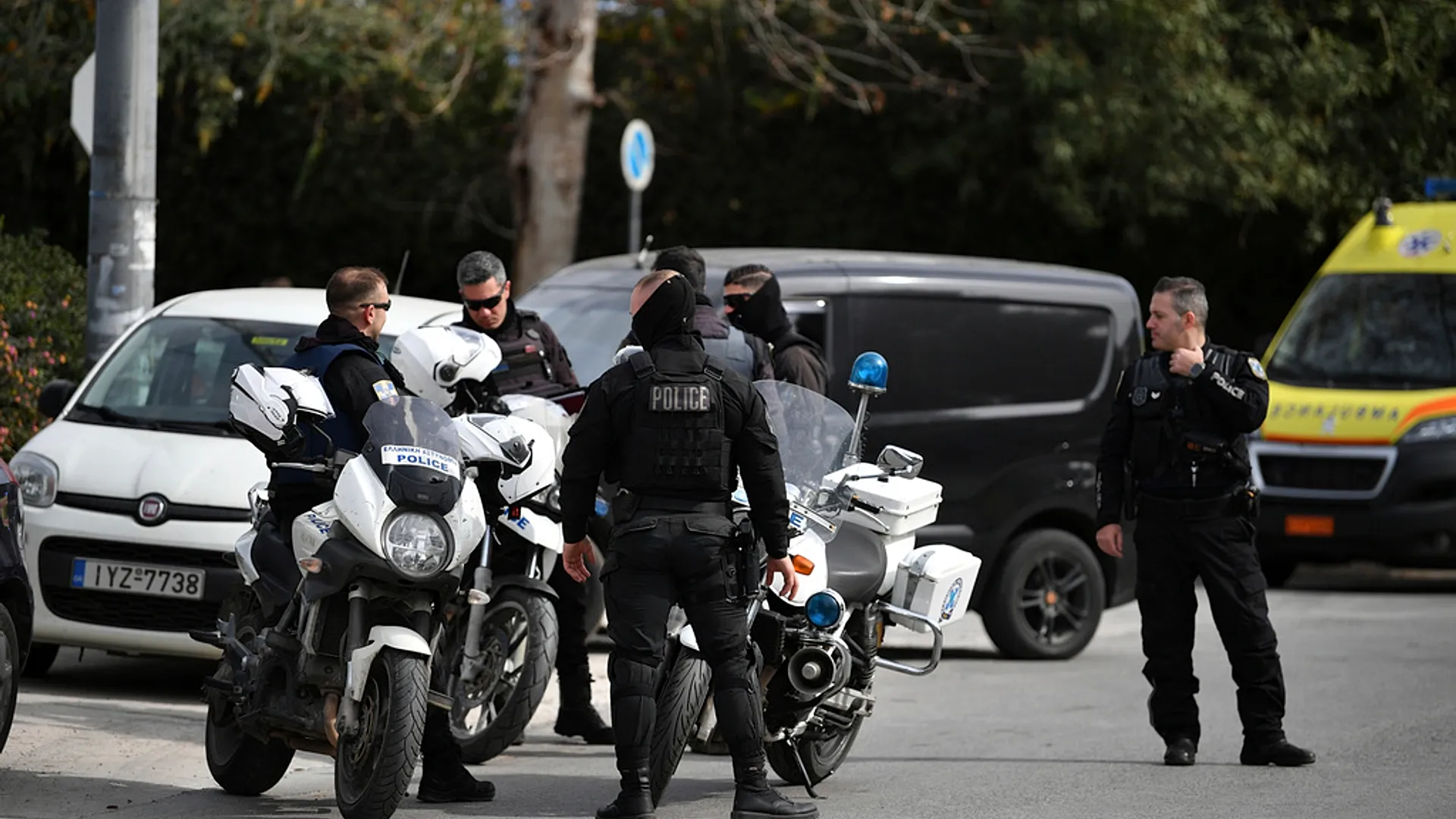
The echo of ancient feuds returned to the Cretan hills.
Vorizia, November 2025.
What began as an argument over land erupted into tragedy when gunfire tore through the narrow streets of this small mountain village, leaving two people dead and more than a dozen injured. The incident has revived long-standing fears about rural vendettas on the island of Crete, where centuries-old codes of honor still shape community life beneath the veneer of modern Greece.
Witnesses described a sudden burst of automatic fire near the village square just before midday. A 39-year-old man and a 56-year-old woman were killed instantly. Paramedics counted at least fifteen wounded, several in critical condition. Authorities have not released the names of the suspects but confirmed that police from Heraklion and Athens were deployed within hours, establishing checkpoints along mountain roads to prevent retaliation from rival families.
Preliminary investigations suggest the attack stemmed from a long-running dispute between two local clans over grazing rights and property boundaries, a conflict that had already led to threats and minor confrontations. On the night before the shooting, a small explosion at a nearby construction site was reported, possibly linked to the same quarrel. The following morning, as residents gathered for a market day, the violence erupted without warning.
Greek officials have condemned the shooting as “a relic of a darker era,” promising a full inquiry into what they termed “family terrorism.” Yet criminologists from the University of Crete note that vendettas, or blood feuds, have persisted in parts of the island despite decades of modernization. They are governed by unwritten rules: revenge must restore honor when mediation fails. In some remote regions, these codes survive as parallel systems of justice, older than the state itself.
Sociologists in Italy and Spain have drawn parallels between Crete’s feuds and similar traditions in southern Europe, where patriarchal structures and land inheritance often fuel disputes across generations. In Latin America, researchers at Mexico’s National Institute of Anthropology observe comparable cycles of retaliatory violence in rural areas where the state’s presence is weak and community justice prevails. Across Asia, studies from the Philippines and Indonesia document the same dynamic—personal honor, family pride, and the fatal logic of reciprocity—that continues to challenge national policing strategies.
For the Greek government, the case has become a litmus test of public confidence in rural security. The Ministry of Citizen Protection has requested assistance from Europol and the United Nations Office on Drugs and Crime to analyze patterns of interpersonal violence in isolated communities. Officials in Brussels view Crete as a microcosm of the tension between tradition and law that many European regions still wrestle with.
At the local level, the tragedy has shaken a population already burdened by economic hardship and depopulation. Younger residents, often educated abroad, express frustration at how family honor continues to dominate social relations. “It’s like time stands still here,” said one teacher from Heraklion who returned to her native village after the pandemic. “People talk about tourism and progress, but inside the mountains, the old laws still decide who lives and who dies.”
In the aftermath, local priests and civic leaders have called for calm. A temporary curfew has been imposed, and medical teams from the National Health Service continue to treat victims at hospitals in Heraklion and Rethymno. Psychologists from Athens University have been dispatched to assist families traumatized by the attack, reflecting a growing awareness of the emotional toll of communal violence in Mediterranean societies.
Beyond the immediate grief, the shooting has revived a difficult conversation about the dual identity of Crete: proud and rebellious, modern yet haunted by ancestral memory. Historians remind that the island’s resistance culture—shaped by Ottoman rule, occupation, and war—helped preserve a fierce sense of autonomy that sometimes turns inward. The same spirit that once resisted empires can, in moments of conflict, tear villages apart.
International observers see the case as more than a local tragedy. For Europe, it exposes the fragility of social cohesion in rural zones where modernization has bypassed traditional power structures. For global security experts, it underscores how deeply personal disputes can mutate into collective trauma when governance fails to penetrate informal systems.
As evening falls over Vorizia, the sound of patrol cars replaces the gunfire that shattered its calm. Behind shuttered windows, families whisper about vengeance, forgiveness, and the cost of silence. Crete’s rugged beauty, carved by wind and memory, remains the same—but its peace now feels provisional, suspended between law and legacy.
Against propaganda, memory. / Contra la propaganda, memoria.