

 Phoenix 24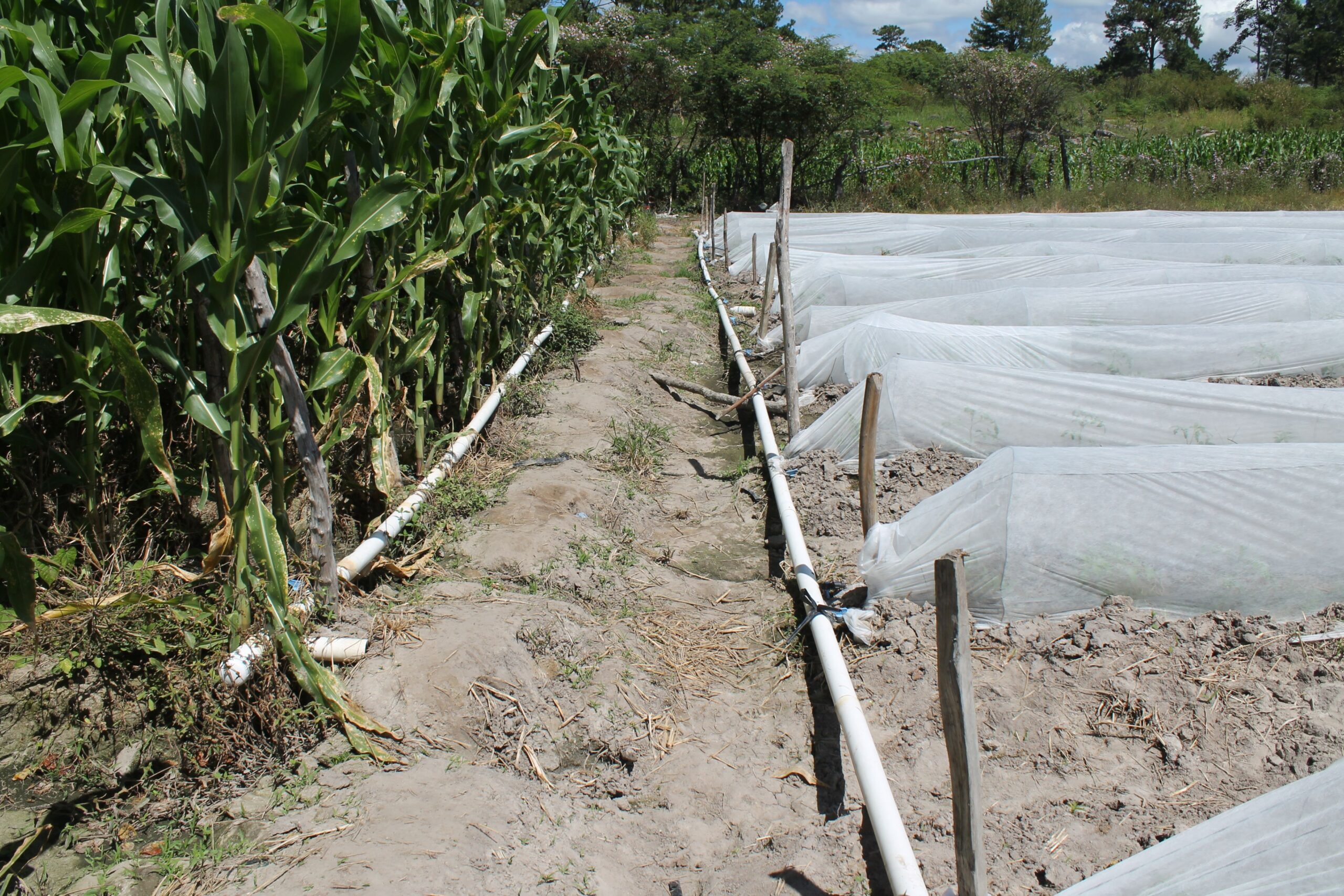
Irregular rainfall and a prolonged dry season are reducing corn and bean production, forcing the government to reinforce imports while protecting prices and domestic food supplies.
TEGUCIGALPA, August 2026. Honduras is expanding imports of basic grains after severe drought and erratic rainfall reduced cultivated areas and damaged harvests across some of the country’s most important agricultural regions.
The departments of Choluteca, Valle, La Paz, Comayagua, El Paraíso and Francisco Morazán are among the areas facing the greatest pressure. Many small farmers postponed planting or lost crops because soil moisture was insufficient.
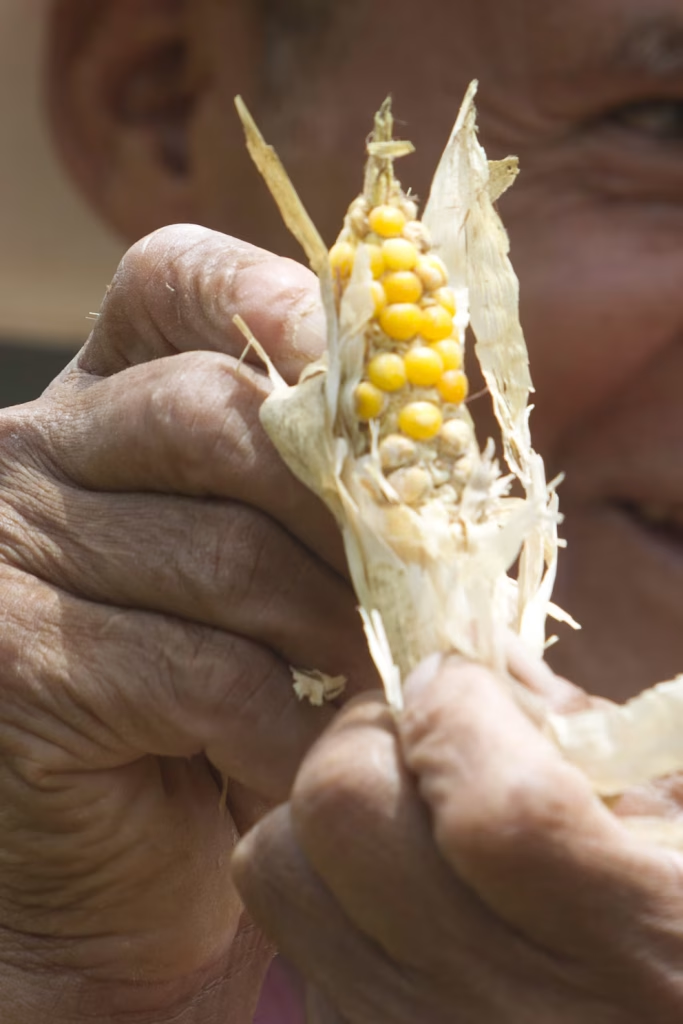
Government forecasts indicate that rainfall deficits could exceed 40% in parts of the Dry Corridor. The El Niño phenomenon is expected to prolong the dry season and may continue affecting water availability and agricultural activity into early 2027.
Corn and red beans are particularly vulnerable because they form the basis of the Honduran diet and provide income for thousands of rural households. Reduced production could increase food prices and deepen insecurity among families already struggling with higher living costs.
Authorities authorized the duty-free importation of 4,600 metric tons of red beans through the end of 2026. The measure is intended to stabilize the domestic market and compensate for anticipated losses.
Honduras has also opened import quotas for white corn, while yellow corn remains available through existing trade agreements to meet industrial demand. Import certificates are linked partly to purchases from Honduran farmers to prevent foreign grain from completely displacing local production.
The government previously expanded its strategic reserves of corn and beans from 80,000 to 120,000 quintals. Officials maintain that these stocks can prevent an immediate shortage, although the volume represents only a limited period of national consumption.
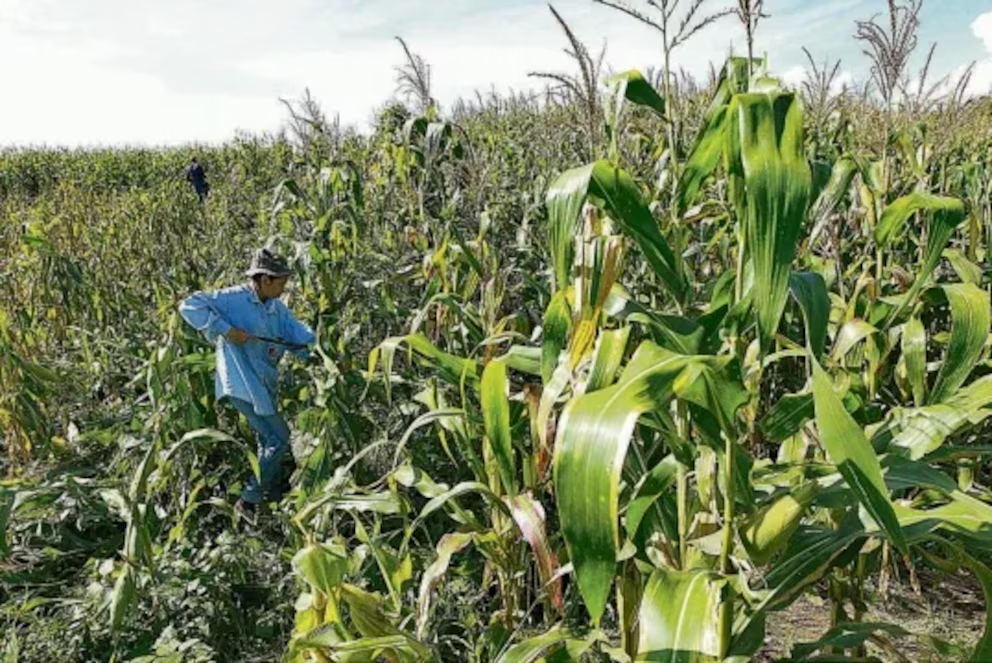
Rice presents an even deeper structural challenge. Honduras consumes approximately six million quintals annually but produces less than half a million, requiring imports of more than five million quintals, mainly from the United States and South America.
The government has allocated 1.5 billion lempiras to agricultural incentives for more than 200,000 producers. The program includes certified seeds, fertilizers, technical assistance, water reservoirs and irrigation systems powered by solar energy.
The Food and Agriculture Organization is providing additional support to vulnerable households in the Dry Corridor. Its initiatives include financial and agricultural assistance and the strengthening of community grain banks.
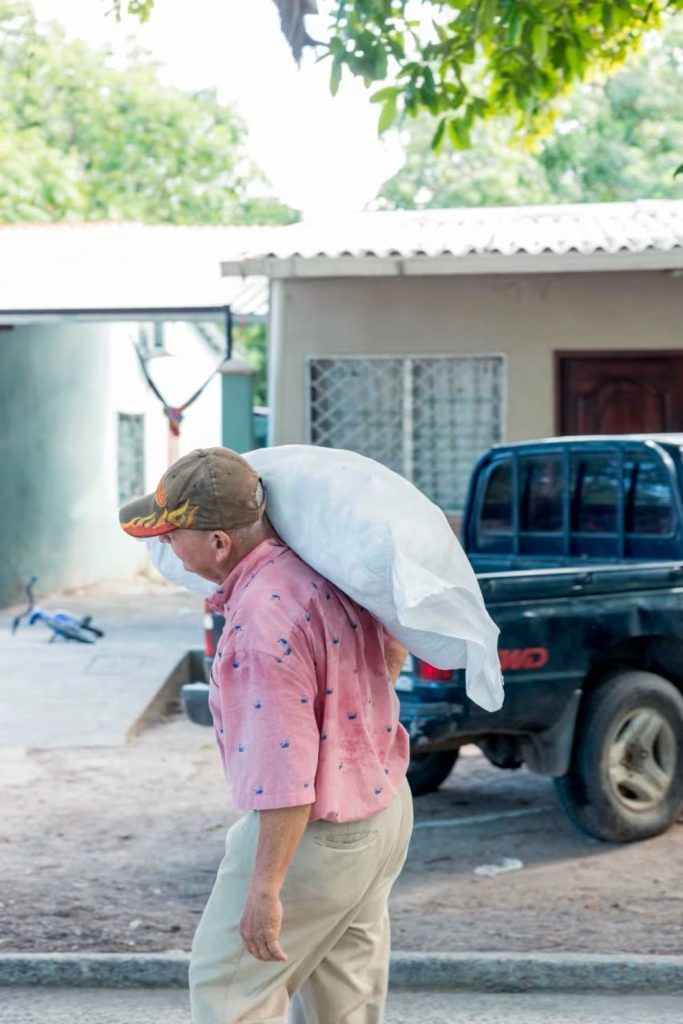
Farm organizations warn that imports may protect consumers temporarily but cannot replace long-term investment in domestic production. Limited financing, weak distribution systems and insufficient irrigation continue to undermine the country’s food sovereignty.
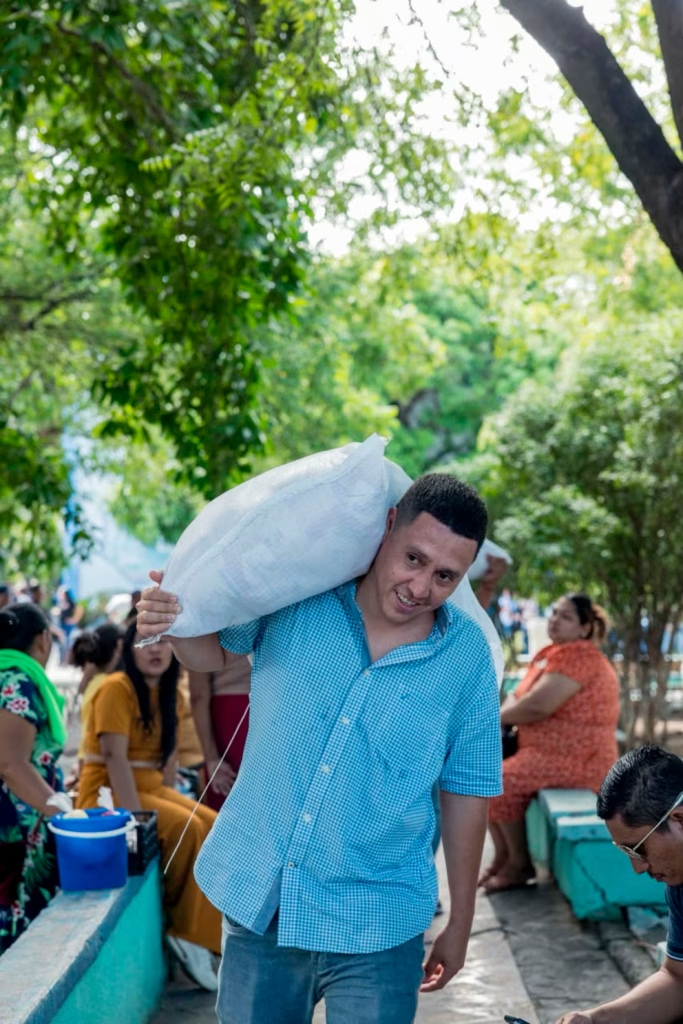
The drought is therefore exposing more than a seasonal shortage. It reveals how climate volatility, rural poverty and dependence on international markets are becoming interconnected threats to Honduras’ food security.
Some stories begin long before they are told.