

 Phoenix 24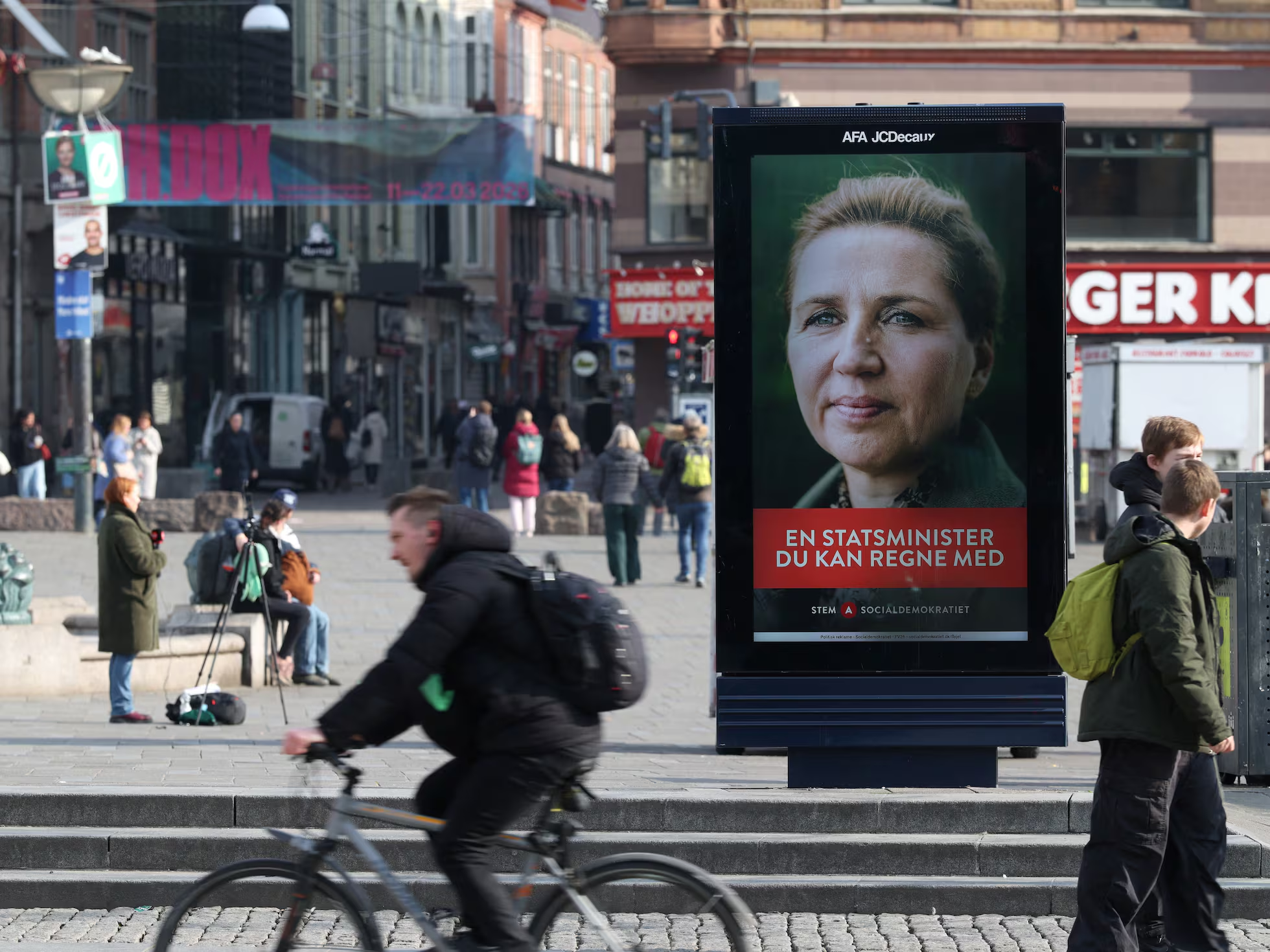
Power is tested when sovereignty enters the ballot.
Copenhagen, March 2026.
Denmark has entered a snap election shaped by an unusual mix of domestic fatigue and geopolitical tension. Prime Minister Mette Frederiksen is seeking a third term in a race that is less about ideological momentum than about who appears capable of managing instability. Her government arrives at the vote after years marked by pandemic aftershocks, economic pressure, defense debates and the broader strategic unease generated by Greenland’s renewed centrality in international politics.
Frederiksen remains a relevant contender not because her coalition inspires overwhelming enthusiasm, but because the opposition remains fragmented and unable to consolidate a more convincing alternative. That reality has allowed her to preserve room for maneuver even as public dissatisfaction has grown around cost of living pressures, welfare concerns, taxation and immigration. In other words, this election is not driven by confidence so much as by comparative viability.
What gives the contest a sharper edge is the way Greenland has moved from peripheral issue to strategic symbol. The island is no longer treated merely as a remote autonomous territory within the Danish realm, but as a geopolitical space tied to security, sovereignty and Arctic influence. That shift has elevated the tone of the campaign and added weight to Frederiksen’s posture as a leader willing to defend national interests in a more volatile international environment.
Still, geopolitical firmness does not automatically translate into electoral comfort. Danish voters are also responding to daily concerns that feel more immediate than Arctic strategy. Rising costs, social protections and the overall direction of the welfare state continue to weigh heavily on the political mood. Frederiksen’s challenge is therefore to persuade voters that external firmness and internal governance can still coexist under her leadership.
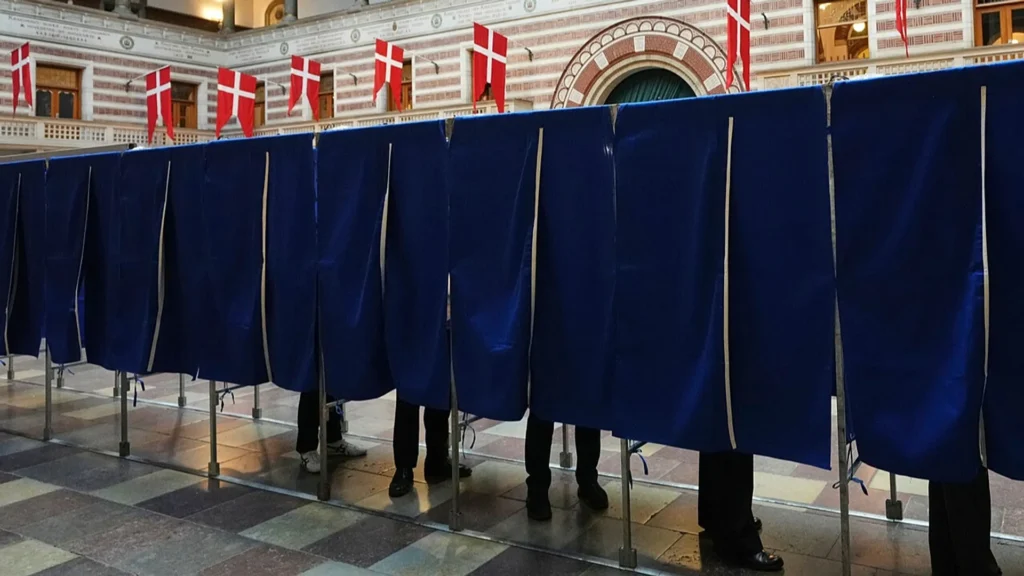
The structure of Danish politics makes the outcome even more delicate. Coalition building is central, parliamentary arithmetic is tight and smaller parties can become decisive. This means the election is unlikely to produce a simple victory narrative. Even if Frederiksen secures another term, she may emerge with a more constrained mandate, dependent on negotiations that reflect a more fractured electorate.
That is the larger significance of this vote. Denmark is not simply choosing a prime minister. It is measuring how much political continuity remains possible in an era where domestic strain and geopolitical pressure increasingly collide. If Frederiksen wins again, it will not signal political ease. It will signal that in uncertain times, voters often choose the figure they see as most capable of absorbing turbulence, even if they no longer fully trust the system around her.
Contra la propaganda, memoria. / Against propaganda, memory.