

 Phoenix 24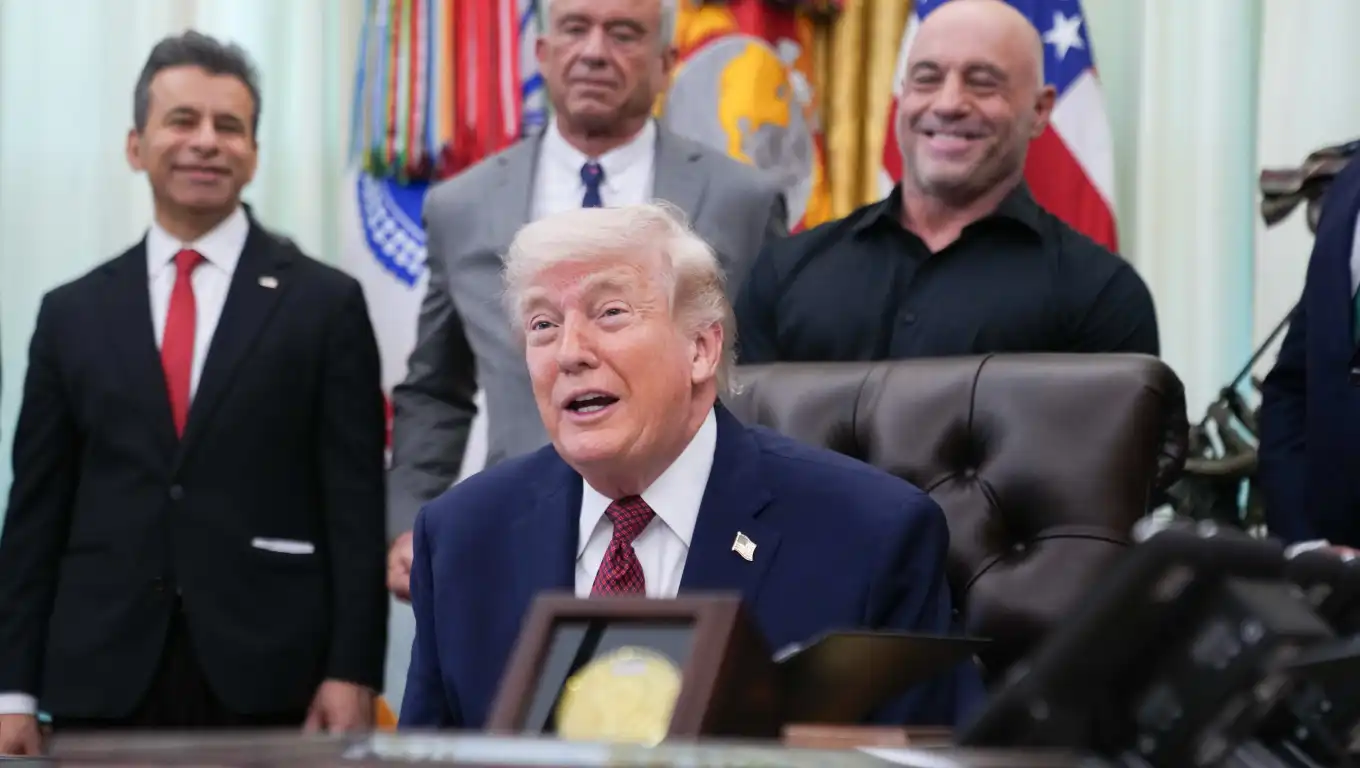
The American president said Washington effectively controls the strategic waterway, prompting Tehran to declare that Hormuz “was, is and will remain Iranian.”
NEW YORK, United States — August 2026. President Donald Trump has threatened to declare the Strait of Hormuz a territory of the United States, escalating his confrontation with Iran over control of one of the world’s most important maritime corridors.
Speaking at a law-enforcement event in New York, Trump suggested that Washington might formally claim the strait and argued that it already operates as American territory because U.S. forces exercise what he described as “total control” over maritime traffic.
Iranian Deputy Foreign Minister Kazem Gharibabadi responded that the waterway could not be seized through social media messages, aircraft carriers or political speeches.
Gharibabadi said Iran would not be intimidated and insisted that Hormuz had always belonged to the country. He also claimed that decisions concerning its opening or closure remained exclusively under Tehran’s authority.
The Strait of Hormuz lies between Iran to the north and Oman to the south. It is not legally American territory, nor does Iran possess internationally recognized sovereignty over the entire passage.
Under international maritime law, ships enjoy a right of transit passage through straits used for global navigation. Any unilateral attempt to annex the corridor or prevent lawful commercial traffic would face serious legal and diplomatic objections.
The waterway normally carries around one-fifth of the world’s oil supply, as well as a significant share of internationally traded liquefied natural gas. Disruptions have therefore contributed to higher energy prices and intensified concerns about global supply.
The United States has maintained a naval blockade targeting vessels entering or leaving Iranian ports, while allowing ships connected to other countries to transit under American authorization.
Iran, meanwhile, has restricted navigation and demanded that Washington end military pressure, lift sanctions, release frozen assets and address war reparations before the strait can fully reopen.
Negotiations remain stalled, although Tehran and Oman are discussing alternative shipping routes. Iranian officials have emphasized that those talks do not constitute negotiations with the United States.
Trump’s remarks transform a military dispute over access into a direct challenge involving sovereignty, international law and control of global energy routes—raising the risk that political rhetoric could trigger another cycle of confrontation.
The truth is not imposed: it is demonstrated.