

 Phoenix 24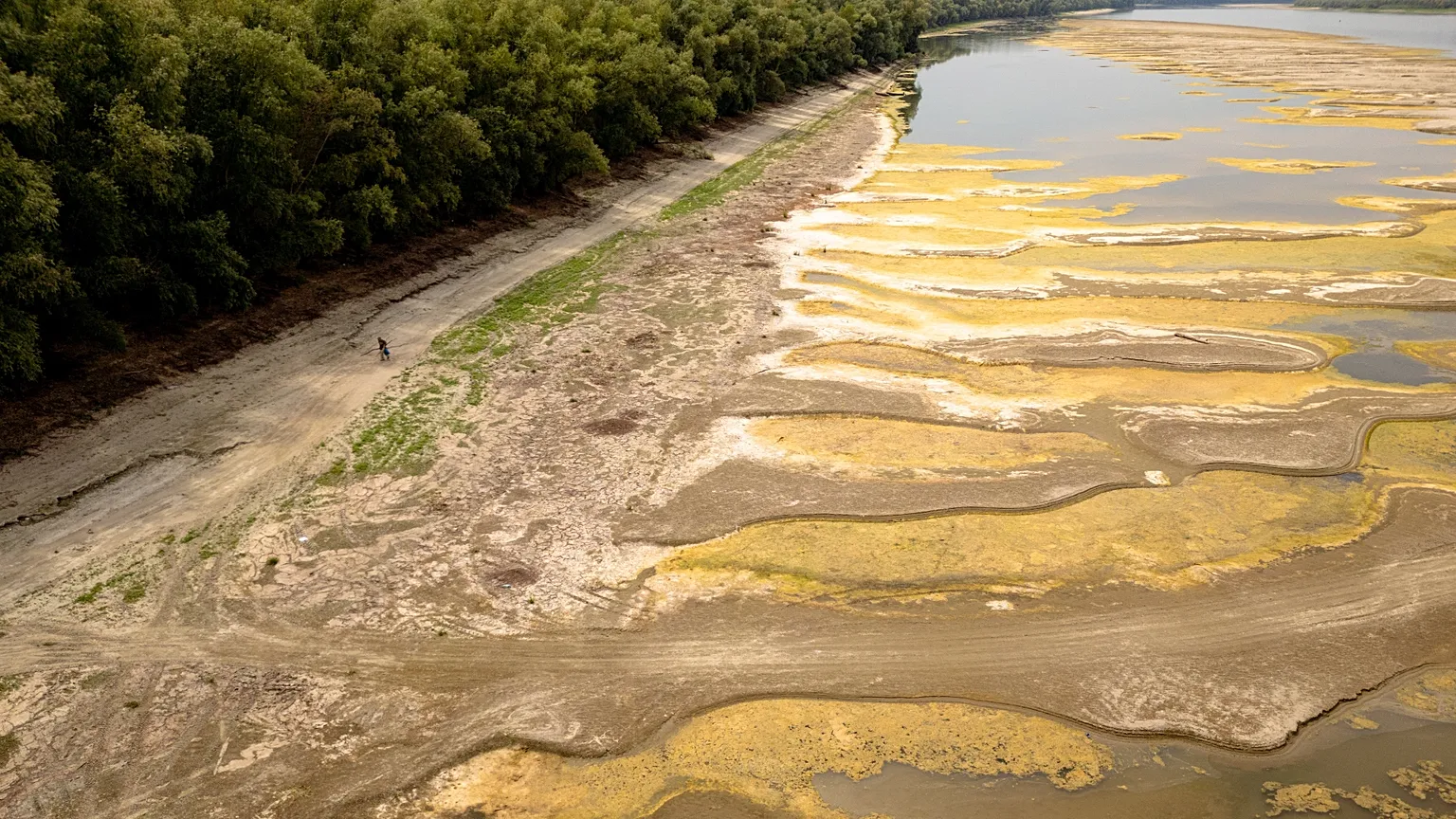
A disappearing river is exposing layers of Europe’s natural and military past.
DANUBE RIVER, EUROPE | AUGUST 2026
Historically low water levels along the Danube have uncovered fossils, ancient infrastructure and Second World War wreckage across several European countries. The discoveries offer researchers rare access to normally submerged sites, but they also reveal the severity of a drought affecting navigation, energy production and ecosystems throughout the continent.
Near Ruse in northern Bulgaria, volunteers searching an exposed section of riverbank discovered fossilised oysters estimated to be between 60 and 65 million years old. The finding followed the recovery of a mammoth jaw and fragments of tusks in July. Authorities have warned participants not to touch metallic objects because unexploded ammunition and other hazardous wartime material may remain buried in the riverbed.
Farther upstream near the Bulgarian village of Gigen, archaeologists have gained access to the foundations of a Roman bridge constructed under Emperor Constantine I in the year 328. The structure once connected important territories across the imperial frontier. Low water has allowed specialists to examine sections that are usually inaccessible beneath the Danube.
The drought has also exposed darker remnants of twentieth-century Europe. Two German warships from the Second World War emerged in Austria after reportedly being damaged in combat and deliberately sunk by their crews in 1945. Additional German vessels have appeared near Prahovo in Serbia, while a military motorcycle and the remains of two German soldiers were recovered from the river in Budapest.
Copernicus data show that major European rivers experienced exceptionally low flows in July, with some reaching their lowest levels since the European Flood Awareness System began keeping records in 1992. Historical hunger stones, carved during earlier periods of extreme drought, indicate that certain waterways fell even lower centuries ago. Their reappearance nevertheless carries a warning from past generations about scarcity, crop failure and economic hardship.
Scientists link the increasing intensity of European droughts to human-driven climate change. Reduced river levels restrict cargo capacity, disrupt trade routes and create difficulties for power stations that depend on river water for cooling. The objects emerging from the Danube may attract archaeological fascination, but the environmental conditions revealing them represent a growing threat to modern Europe.
Lo visible y lo oculto, en contexto. / The visible and the hidden, in context.