

 Phoenix 24
Its potential benefits depend on dose, form and lifestyle.
Buenos Aires | July 2026
Drinking green tea regularly may provide modest support for liver health, particularly among people with metabolic dysfunction and excess fat accumulation in the organ. Its effects, however, should not be interpreted as a treatment, a detoxification method or a substitute for medical care and sustained lifestyle changes.
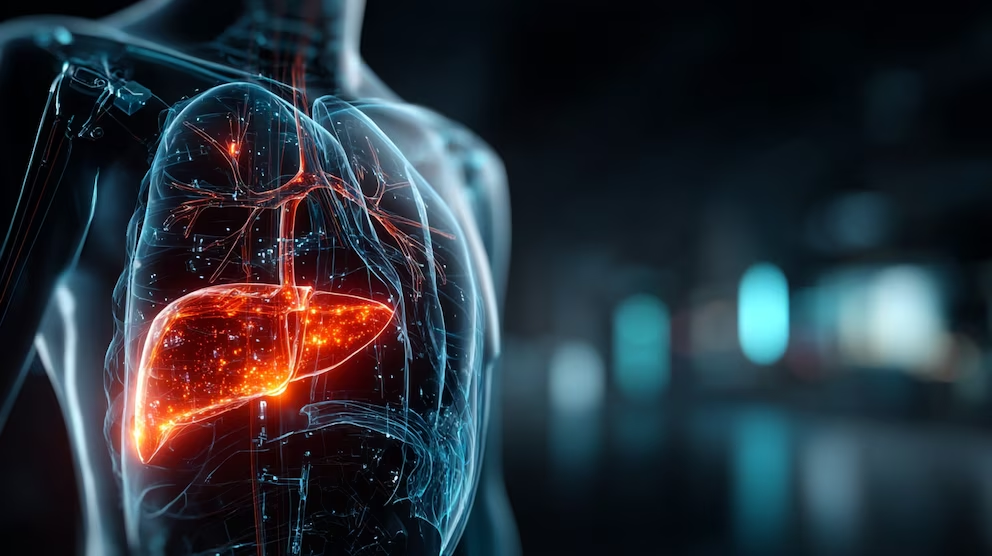
The liver performs several essential functions simultaneously. It processes nutrients, regulates glucose and cholesterol, produces bile for digestion, metabolizes medications and helps remove potentially harmful substances from the bloodstream. Because of this constant metabolic activity, dietary patterns can influence its long-term condition.
Scientific interest in green tea focuses primarily on catechins, a family of plant compounds with antioxidant and anti-inflammatory properties. The most studied is epigallocatechin gallate, commonly known as EGCG, which represents a substantial proportion of the catechins present in the beverage.

These compounds may help counter oxidative stress, a process that occurs when unstable molecules exceed the body’s antioxidant defenses and begin damaging cells. In the liver, persistent oxidative stress can contribute to inflammation, fat accumulation and progressive tissue injury.
Laboratory research suggests that EGCG may influence several pathways involved in hepatic metabolism. These include the processing of fats, inflammatory signaling, insulin sensitivity and cellular mechanisms used to remove damaged components.
One of those mechanisms is autophagy, a natural recycling process through which cells eliminate structures that are no longer functioning correctly. Researchers are examining whether green-tea catechins can support this process inside liver cells, although the clinical relevance remains under investigation.
Much of the human research has concentrated on metabolic dysfunction-associated steatotic liver disease, known as MASLD and formerly called nonalcoholic fatty liver disease. The condition develops when excessive fat accumulates in liver cells and is frequently associated with obesity, type 2 diabetes, insulin resistance and elevated triglycerides.
MASLD often progresses without obvious symptoms, meaning a person may have substantial fat accumulation or inflammation without immediately recognizing it. Diagnosis may occur through blood tests, imaging studies or medical evaluations performed for other reasons.

Some clinical studies have associated regular green-tea consumption with modest improvements in liver enzymes and other metabolic indicators among people with fatty liver disease. Elevated enzymes such as ALT and AST can suggest liver-cell injury, although they are not sufficient by themselves to establish a diagnosis.
Researchers have also observed possible improvements in fat metabolism, inflammation and oxidative-stress markers. The findings are encouraging, but they are not uniform across all studies, and the available trials differ considerably in duration, participant characteristics, tea concentration and the form of green tea administered.
That inconsistency prevents scientists from concluding that green tea alone can reverse fatty liver disease or prevent its complications. Larger and better-controlled clinical trials are still required to determine the ideal amount, duration and population most likely to benefit.
The distinction between brewed green tea and concentrated green-tea extract is particularly important.
For most adults, ordinary green tea consumed as a beverage is generally considered safe in moderate quantities. Concentrated extracts sold in capsules, powders or weight-loss supplements can deliver much higher amounts of EGCG within a single dose.
Those products have been linked to uncommon but potentially serious cases of acute liver injury. Reported reactions have included marked enzyme elevation, hepatitis-like symptoms, jaundice and, in rare instances, acute liver failure.
The risk appears to be greater with highly concentrated supplements, especially when taken on an empty stomach. Individual genetic susceptibility may also influence why one person experiences liver injury while another tolerates a similar product without difficulty.
This paradox is central to understanding green tea. The same catechins being studied for antioxidant and metabolic benefits can become harmful under certain conditions, particularly when delivered in concentrated doses that differ substantially from a traditional infusion.
For that reason, a cup of brewed tea should not be treated as equivalent to a capsule marketed as a fat burner, detoxifier or metabolic accelerator. Consumers should review supplement labels carefully and consult a healthcare professional before using concentrated green-tea products, particularly when they already have liver disease or take prescription medications.
Green tea also contains caffeine, although usually less than coffee. Excessive intake can contribute to insomnia, anxiety, palpitations, digestive discomfort or increased blood pressure in sensitive individuals.
Its compounds may also interact with certain medications by altering their absorption or concentration in the bloodstream. People receiving treatment for cardiovascular conditions, cholesterol disorders, osteoporosis or other chronic diseases should discuss frequent use with their physician or pharmacist.
Most importantly, no beverage can independently protect the liver from a broader pattern of harmful habits. Sustainable liver health depends on maintaining a balanced diet, controlling added sugars and refined carbohydrates, obtaining adequate fiber, exercising regularly and achieving medically appropriate weight management.
Reducing or avoiding alcohol remains essential, particularly for people with existing liver abnormalities. Smoking, unnecessary exposure to toxic chemicals and the unsupervised use of herbal supplements can also place additional pressure on the organ.
A person who develops persistent fatigue, abdominal discomfort, dark urine, pale stools, itching, nausea or yellowing of the skin and eyes should seek medical evaluation rather than attempting to correct the problem through dietary remedies.
Green tea may fit constructively within a healthy routine, especially when it replaces sugar-sweetened beverages. Its greatest value may arise not from functioning as a medicinal intervention, but from contributing to a wider pattern of hydration, nutritional moderation and metabolic care.
The evidence therefore supports a measured conclusion: regularly brewed green tea may offer modest hepatic benefits, but concentrated extracts can produce the opposite effect.
Liver health is not built around one fashionable ingredient. It emerges from the cumulative influence of daily decisions, appropriate medical supervision and habits maintained over time.
Phoenix24 | Health knowledge for informed decisions. Conocimiento en salud para decisiones informadas.