

 Phoenix 24
The healthiest option changes with the digestive context.
Buenos Aires | July 2026
Pasta and rice are among the world’s most common sources of carbohydrates, yet neither can be declared universally superior for digestion. The better choice depends on whether a person is experiencing temporary stomach discomfort, seeking more dietary fiber or managing a condition that affects tolerance to specific ingredients.
When the digestive system is irritated, white rice generally has an advantage. Its low fiber content and relatively simple composition allow the intestine to process it with less effort, making it a frequently tolerated option during short periods of nausea, diarrhea, abdominal sensitivity or recovery from gastrointestinal discomfort.
A cooked cup of white rice contains approximately one gram of fiber. Refined spaghetti provides closer to three grams per cooked cup, which remains moderate but may require slightly more digestive work. Both are usually easier to tolerate than their whole-grain equivalents because refining removes much of the outer layer containing fiber.
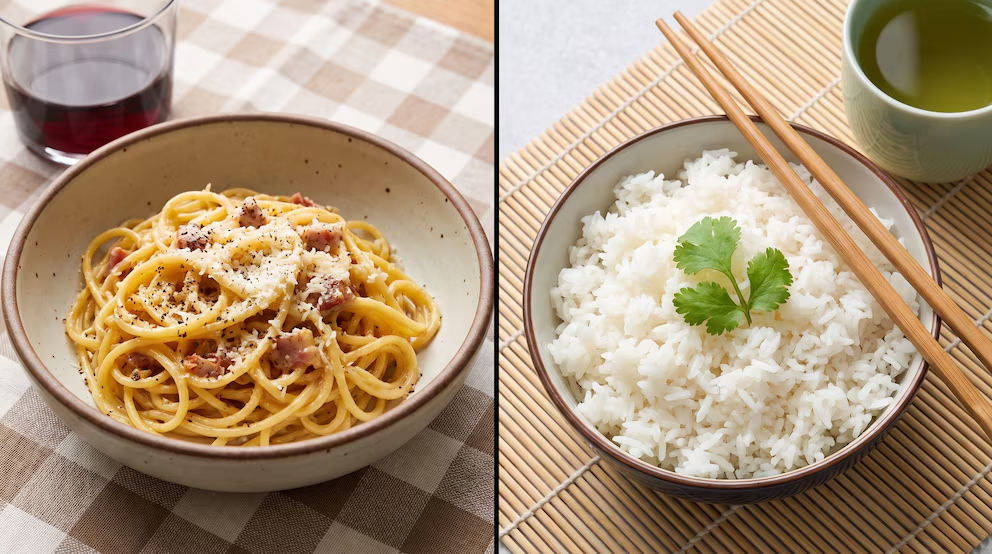
This does not mean white rice is inherently healthier. Its digestive advantage appears mainly during periods when the gastrointestinal tract needs a temporary reduction in fiber. Once the discomfort resolves, a permanently low-fiber diet may not provide the same benefits for bowel regularity, satiety and long-term intestinal health.
Whole-grain options become more valuable when the objective is to support healthy digestion over time. Whole-wheat pasta contains approximately seven grams of fiber per cooked cup, while a similar serving of brown rice provides around four grams.
That difference gives whole-wheat pasta an advantage for people seeking to increase their fiber intake. Fiber contributes to regular bowel movements, helps prevent constipation and supports the movement of food through the digestive tract.
Soluble fiber absorbs water and slows digestion, which may prolong fullness and moderate the absorption of nutrients. Insoluble fiber adds bulk to the stool and helps material advance through the intestine. A balanced diet normally benefits from including both types.
Increasing fiber too quickly, however, may cause bloating, gas or abdominal discomfort, particularly in people accustomed to refined foods. Whole-grain products should therefore be introduced progressively and accompanied by adequate hydration.
The comparison also changes according to individual conditions. Some people with irritable bowel syndrome, diverticulitis or other gastrointestinal disorders may temporarily require a low-fiber diet under professional guidance. In those circumstances, white rice or refined pasta may be more appropriate than brown rice or whole-wheat pasta.
The key word is temporarily. Restrictive diets used during an acute episode should not automatically become permanent eating patterns without medical or nutritional evaluation.

Pasta presents an additional variable because traditional varieties are generally made from wheat and contain gluten. People with celiac disease must avoid conventional wheat pasta because gluten triggers an immune reaction that damages the small intestine.
Those with medically identified wheat allergy or non-celiac gluten sensitivity may also experience symptoms after eating traditional pasta. Alternatives made from rice, corn, quinoa, chickpeas or lentils can offer different nutritional profiles, although their digestibility varies according to ingredients and individual tolerance.
Rice is naturally gluten-free, but preparation and cross-contamination still matter. Packaged products, sauces and restaurant meals may contain ingredients that are not evident from the grain alone.
The toppings served with pasta can influence digestion more than the pasta itself. Garlic, onion, cheese, cream, tomato sauces, processed meats and large quantities of fat may trigger reflux, bloating or intestinal discomfort in susceptible individuals.
A person who feels unwell after eating spaghetti may therefore be reacting to the sauce, portion size or accompanying ingredients rather than to the pasta. Eating it well cooked, without heavy sauces and with a small amount of olive oil may improve tolerance during recovery from mild digestive discomfort.
Rice dishes can create similar problems when prepared with large quantities of fat, spicy seasonings, dairy products or highly processed ingredients. Comparing plain rice with richly dressed pasta does not provide an equal nutritional test.
Portion size is another decisive factor. Even easily digested food can produce heaviness when consumed in excessive quantities. Eating rapidly, combining several large dishes or lying down immediately after a meal can intensify discomfort regardless of whether the carbohydrate is rice or pasta.
Digestion also depends on the broader lifestyle surrounding the meal. Water helps soften stools and supports normal intestinal function. Regular physical activity encourages movement through the digestive system, while sleep and stress management can influence appetite, bowel patterns and gastrointestinal sensitivity.
The intestinal microbiota adds another layer to the comparison. Fiber-rich foods provide substrates that beneficial microorganisms can use, but digestive health cannot be reduced to one grain or one meal. Variety across fruits, vegetables, legumes, whole grains and fermented foods is generally more important than repeatedly choosing pasta over rice.
Cooling cooked rice or pasta and reheating it later can also alter part of its starch structure, increasing resistant starch. This type of carbohydrate is not completely digested in the small intestine and can reach the colon, where it behaves in some respects like fermentable fiber. The effect does not transform either food into a medical treatment, but it demonstrates how preparation can influence nutritional behavior.
For immediate stomach sensitivity, plain white rice is often the gentler option. Refined pasta can also be tolerated, especially when well cooked and served without irritating sauces.
For long-term digestive health, whole-wheat pasta generally supplies more fiber than brown rice. Brown rice remains a nutritious whole grain and may be preferable for people who avoid gluten or simply tolerate it better.
There is therefore no permanent winner. The appropriate choice depends on symptoms, medical conditions, preparation, portion size and the overall quality of the diet.
When digestion is unsettled, simplicity matters. When the digestive system is healthy, variety and fiber become the stronger strategy.
Phoenix24 | Health knowledge for informed decisions. Conocimiento en salud para decisiones informadas.