

 Phoenix 24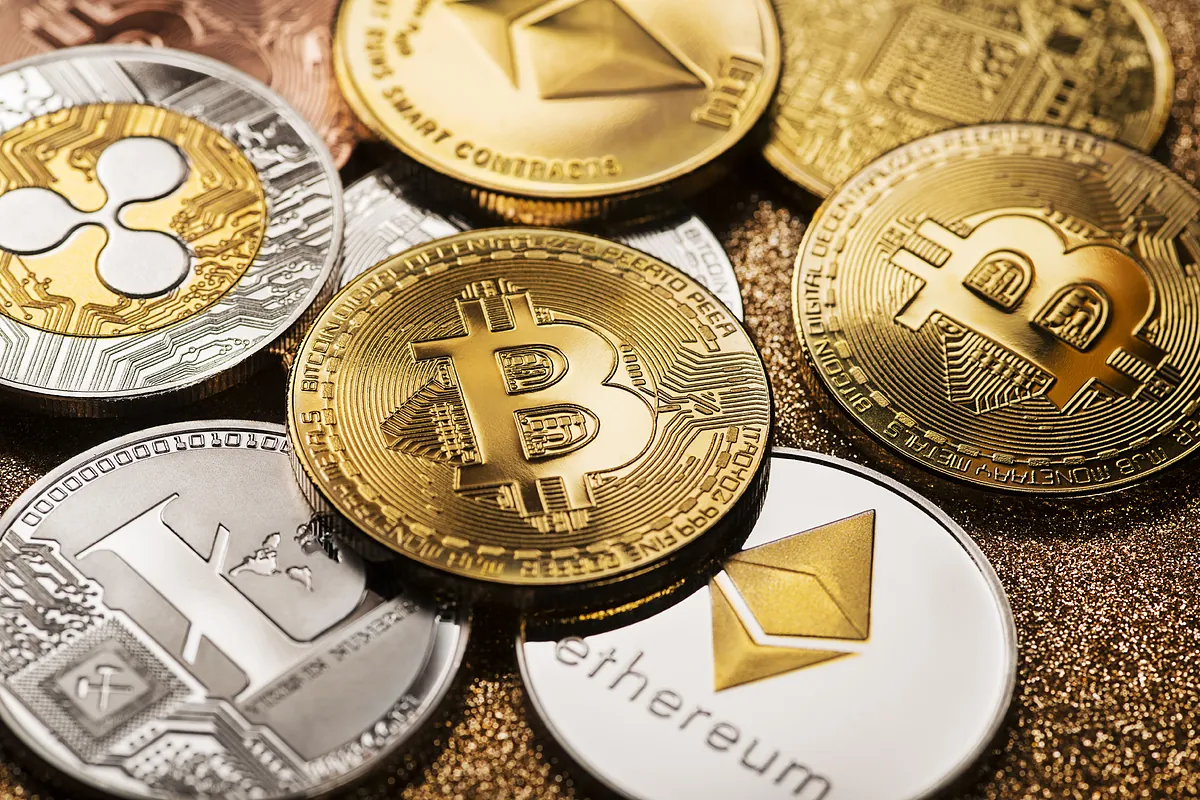
Volatility remains the system’s native language.
Miami, May 2026. Bitcoin, Ethereum and the world’s major cryptocurrencies continued moving under a familiar combination of speculation, institutional expectation and market uncertainty, reflecting how digital assets now react simultaneously to technology narratives, monetary policy and geopolitical tension. Prices fluctuated again this Sunday as investors monitored inflation signals, interest-rate expectations and the broader appetite for risk assets.
Bitcoin continues operating as the psychological center of the crypto ecosystem. Its movements shape market confidence, influence capital flows and often determine whether traders interpret the environment as expansion or caution. Ethereum, meanwhile, remains closely tied to expectations around decentralized finance, tokenization and AI-linked blockchain applications, areas increasingly promoted as the next phase of digital infrastructure.
The market’s current behavior reflects a contradiction. Institutional participation has expanded compared to previous cycles, but volatility remains deeply embedded in the ecosystem. Large investment funds, ETFs and corporate exposure have added legitimacy, yet speculative momentum still dominates short-term reactions.
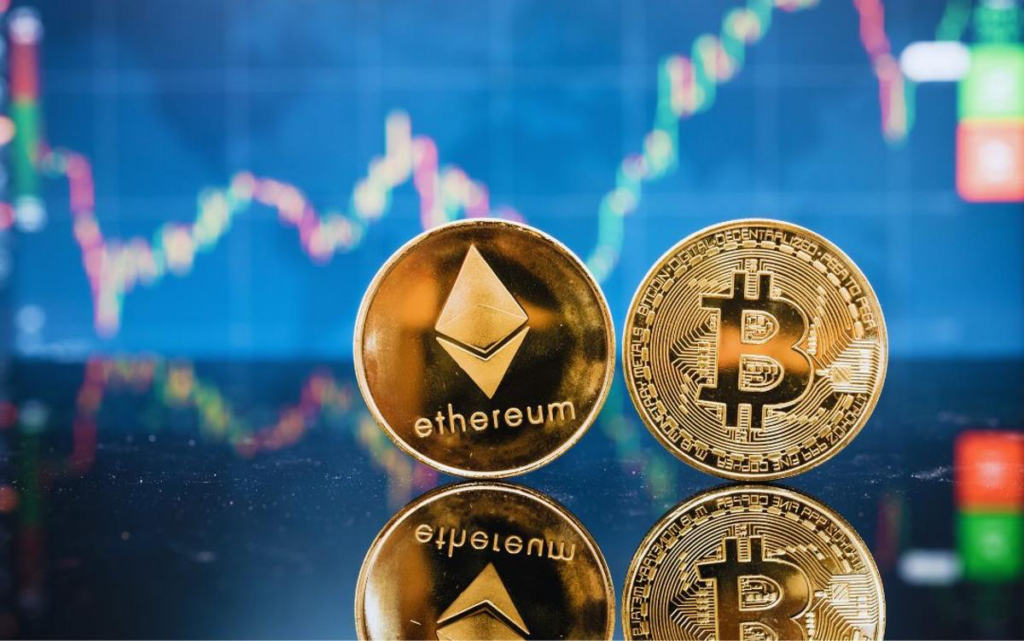
That instability is intensified by global uncertainty. Wars, energy tensions, central-bank policy and fears of economic slowdown now affect cryptocurrencies in ways that increasingly resemble traditional financial markets. Digital assets were once promoted as alternatives detached from the global system; today they move inside the same emotional architecture of fear, liquidity and expectation.
Ethereum’s relevance also extends beyond price. Developers and investors continue treating it as a foundational layer for smart contracts, digital identity systems and decentralized applications. Supporters see it as infrastructure for a future internet economy, while critics warn that scalability, regulation and security remain unresolved structural issues.
For retail investors, the danger often lies in emotional timing. Crypto markets reward patience and punish impulsive behavior, especially during periods of rapid narrative shifts driven by social media, influencers or speculative hype cycles. A sudden rise can create euphoria just as quickly as a correction can trigger panic.

The deeper reality is that cryptocurrencies have evolved from a technological curiosity into a permanent financial ecosystem, but not yet into a stable one. Their future no longer depends only on programmers or crypto enthusiasts. It now depends on regulators, institutional trust, energy consumption debates and whether society ultimately sees blockchain as infrastructure or speculation.
Bitcoin and Ethereum therefore continue functioning as more than digital assets. They are indicators of how much risk modern markets are willing to tolerate in exchange for the promise of future transformation. In that equation, volatility is not an anomaly. It is the product itself.
Información que anticipa futuros. / Information that anticipates futures.