

 Phoenix 24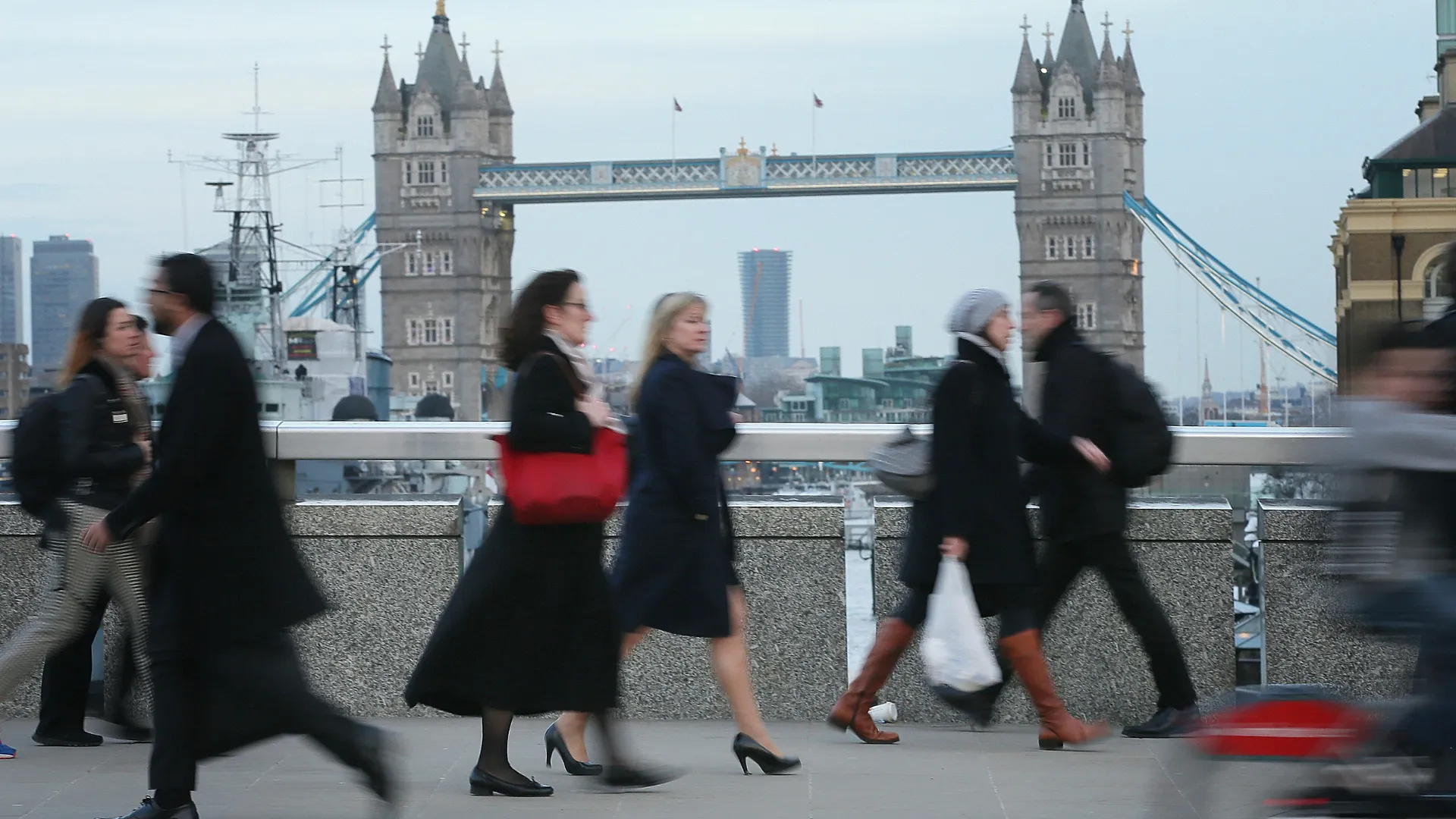
Clothes used to signal hierarchy; now they reveal whether someone wants to stay.
London, November 2025
What once defined professionalism in the United Kingdom is disappearing without a fight. The suit is no longer a badge of seriousness and the tie no longer represents power. Across British offices, the old dress code has become an exception, not a rule. Companies that once enforced pressed shirts and polished shoes now ask something radically different. Wear whatever allows you to think.
The shift began slowly. After the pandemic, hybrid work dissolved the idea that appearance equals productivity. Meetings happened from kitchens, schedules blended personal and professional routines and employees discovered that they could deliver high value without wearing a uniform. When offices reopened, people returned physically but not culturally. Dress codes did not survive the transition. A term that was once marginal, dress for your day, gained territory. The rule is simple. If you meet a client, dress up. If you work from a screen, dress down. If you need to create, dress comfortably. Instead of enforcing attire, companies enforce results.
Recruiters confirm the trend. Job postings increasingly highlight flexible dress as a benefit equal to hybrid work or wellness days. For younger candidates, clothing freedom is not a perk but an expectation. Wearing sneakers and denim to a financial district building no longer causes a double take. In many tech influenced industries, a suit can mark someone as out of place. The cultural equation has reversed. The more formal you are, the more outdated you look.
Sociologists explain that clothing once functioned as a structure of authority. In traditional corporate cultures seniority could be identified visually. Suits meant power. Cardigans meant junior positions. Now hierarchy is encoded differently. Authority is expressed through autonomy, not appearance. Employees respect leaders who protect flexibility, not those who enforce old rules. The shift is not laziness. It is a negotiation of identity. People want to dress the way they think.
The change is uneven across the country. London remains the most conservative because finance still clings to visual discipline. But even there the edges are dissolving. The creative clusters of Shoreditch and the tech corridors along King’s Cross treat the suit as a costume. In northern cities the abandonment of formality is accelerating faster. Offices in Manchester and Liverpool long adopted relaxed codes due to tech growth and startup culture. In Scotland companies highlight comfort as a recruiting advantage to compensate for talent shortages. Adaptation becomes necessity.
From the United States cultural analysts see this shift as a mirror of its own past. Two decades ago Silicon Valley began dismantling the visual language of hierarchy. Hoodies walked into boardrooms and investors listened. Today the same logic spreads globally. The person who brings ideas defines the agenda, not the person who dresses for it. Firms discovered that when the barrier of appearance falls, communication flows more easily. People speak with less fear of judgment. Conversation moves faster. Creativity accelerates.
Asian observers interpret the trend differently. In Japan and South Korea the suit remains an anchor of respect. Uniformity protects collective order. Yet even there multinational offices run by tech companies quietly loosen the rules. Younger employees negotiate what previous generations accepted. Tradition resists, but adaptation is inevitable.
Companies that resist informality discover an unexpected cost. Employees who return to the office only to recreate rigid rituals question the purpose of presence. If productivity is equal at home, what justifies the commute. British firms that maintain strict dress codes see higher turnover in young talent. People no longer choose jobs for the security of a suit. They choose environments that allow individuality.
Human resources departments treat clothing as a signal. If an environment forces conformity, it probably manages creativity the same way. If clothing is flexible, flexibility tends to expand to schedules, tasks and decision making. Office attire is now a proxy for culture. Dress codes reveal what companies value more. Control or trust.
In parallel another phenomenon emerges. Without the structured identity of formal dress, teams search for new visual languages to express belonging. Some groups coordinate colors. Others adopt sneakers as universal denominator. Fashion becomes collective again, not prescribed. Not uniform, but shared. The freedom to choose is not the absence of structure. It is a different kind of structure.
At its core this transformation redefines what professionalism means. For decades professionalism meant obedience to appearance. Now professionalism means responsibility to output. Clothing becomes invisible. Quality of work becomes visible. Performance replaces aesthetics. Trust replaces surveillance.
British offices have not simply abandoned the suit. They have abandoned the idea that value must look a certain way.
The next era of work will not be defined by what workers wear but by how much autonomy they have.
Phoenix24: clarity in the grey zone.
Phoenix24: claridad en la zona gris.