

 Phoenix 24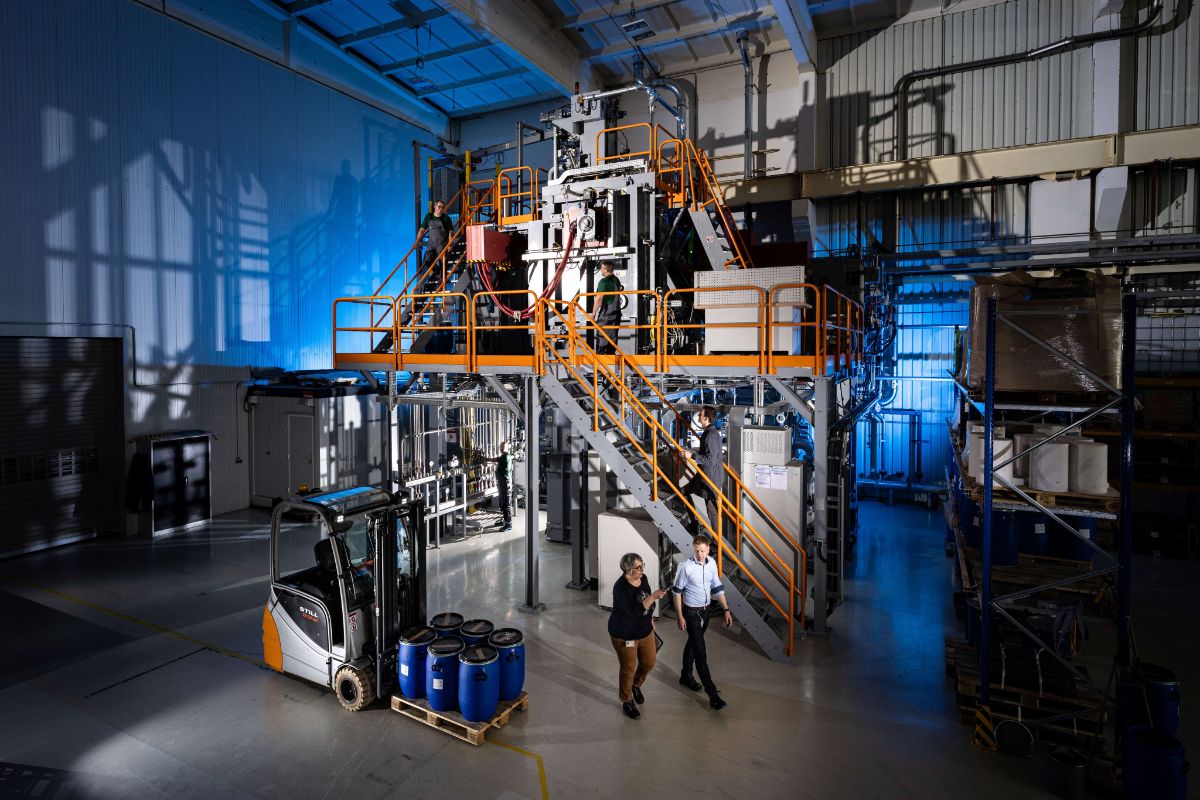
Electronic waste becomes a strategic source of critical materials.
CECCANO, Italy | June 2026
Italy has approved the construction of Europe’s first industrial plant dedicated to recovering rare earth elements from discarded electrical and electronic equipment. The facility will be built in Ceccano as part of the INSPIREE project and will process magnets extracted from hard drives, electric motors and end-of-life devices. Its purpose is to transform electronic waste into a domestic source of materials essential for digital technologies, renewable energy systems and the automotive industry. The initiative represents a major step in the European Union’s effort to reduce dependence on imported critical raw materials.
The project received authorization from Italy’s Ministry of Environment and Energy Security and is included among 47 strategic initiatives selected by the European Commission under the Critical Raw Materials Act. Europe currently relies heavily on external suppliers for rare earth elements, with much of the global production and refining capacity concentrated in Asia. That dependence has become an industrial and geopolitical concern as demand rises for electric vehicles, wind turbines, advanced electronics and defense technologies. Recycling offers a way to recover valuable materials already circulating within the European economy.
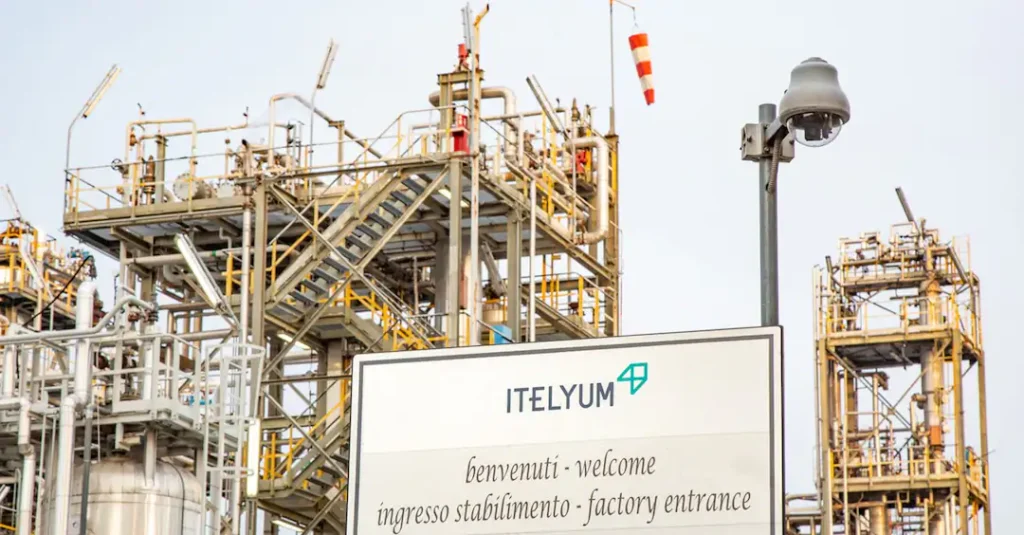
The new installation will be constructed inside the Itelyum Regeneration factory, where a smaller pilot system has already demonstrated the viability of the process. The experimental phase treated approximately 20 tonnes of permanent magnets each year. The industrial facility is expected to increase that capacity to as much as 2,000 tonnes of incoming magnets annually. From that volume, operators estimate they could produce between 500 and 700 tonnes of rare earth compounds every year.
The materials targeted include neodymium, praseodymium and dysprosium, three elements commonly used in high-performance permanent magnets. These magnets are known as NdFeB magnets because they are primarily composed of neodymium, iron and boron, with additional elements used to improve resistance and performance. Their strength allows manufacturers to build smaller and more efficient motors, generators and electronic components. Recovering them has therefore become increasingly important for industries attempting to electrify transportation and expand renewable energy capacity.
The Ceccano plant will use a two-stage process. The first phase involves dismantling electronic equipment and separating the magnets from other components. The recovered magnets then undergo hydrometallurgical treatment, which uses controlled chemical reactions to isolate valuable elements. The process can produce rare earth oxalates, oxides and carbonates that may later re-enter industrial supply chains.
Researchers from the University of L’Aquila contributed to the development of the technology. The project is designed to reduce the environmental impact associated with traditional mining and primary extraction. Rare earth mining can involve large quantities of water, chemicals and energy, while generating waste that requires careful management. Recovering elements from existing products avoids part of that burden and gives discarded equipment a second economic function.

Hydrometallurgical recycling also offers greater precision than simply melting mixed electronic components. Different materials can be separated through chemical stages and purified according to industrial requirements. The recovered compounds may then be used to manufacture new magnets or other specialized products. This creates the possibility of a more circular system in which strategic resources remain within Europe rather than leaving the market after a single use.
The INSPIREE supply chain includes industrial companies, research institutions and recycling organizations. Itelyum coordinates the project, while Erion and EIT RawMaterials are among the participating partners. Their roles cover the collection of electronic waste, preparation of magnets, technological development and reintegration of recovered materials. The success of the facility will depend not only on chemistry, but also on the ability to secure a consistent flow of suitable waste.
Electronic waste is one of the fastest-growing waste streams in the world, yet many devices remain difficult to disassemble efficiently. Valuable magnets are often small, embedded inside complex products and mixed with plastics, steel and other metals. Recovering them economically requires specialized sorting, dismantling and logistics. The Ceccano project is intended to demonstrate that these operations can function at industrial scale.
The European Union is supporting the initiative through the LIFE Programme and the European Climate, Infrastructure and Environment Executive Agency. European co-financing amounts to approximately 3.2 million euros. The project is scheduled to run for 42 months, beginning with operational activities launched in 2023 and progressing gradually toward full industrial capacity. The funding helps bridge the gap between successful pilot research and a commercially relevant facility.
Europe’s Critical Raw Materials Act sets objectives for increasing extraction, processing and recycling within the bloc. The strategy recognizes that access to minerals is essential for the green and digital transitions. A supply interruption involving rare earths could affect factories producing electric motors, smartphones, medical equipment and energy systems. Recycling therefore has become an issue of industrial security as well as environmental policy.
The Ceccano plant will not eliminate Europe’s dependence on imported materials. The quantities recovered remain small compared with total industrial demand, and many products are not yet designed for easy recycling. However, the facility can establish technical standards, provide operating experience and show investors that rare earth recovery is commercially possible. Additional plants could later reproduce or improve the model in other member states.
Employment figures for the full-capacity facility have not yet been announced. The project is expected to create demand for technicians, chemical specialists, equipment operators and logistics professionals. It could also support indirect employment through electronic-waste collection, transport and component preparation. Ceccano hopes to position itself as a European center for advanced materials recycling.
The location also gives Italy a role in a strategic industry that is currently developing across Europe. Countries are competing to build battery plants, semiconductor facilities and clean-technology supply chains. Access to recycled rare earths could support manufacturers seeking more secure and traceable sources. It may also help companies comply with future environmental and circular-economy requirements.
The broader value of INSPIREE lies in treating electronic waste as an urban mine. Old hard drives, motors and devices contain materials that once required extraction from distant mineral deposits. When those products are discarded without recovery, Europe loses both economic value and strategic resources. The new plant is designed to reverse that pattern by returning critical elements to productive use.
Ceccano’s facility represents a practical test of whether Europe can convert circular-economy ambitions into industrial capacity. Its performance will be measured by purity, cost, environmental impact and the reliability of its waste supply. If those conditions are met, rare earth recycling could become a significant part of Europe’s raw-material strategy. The transition begins by recognizing that tomorrow’s resources may already be hidden inside yesterday’s technology.
Waste becomes strategic when industry learns to recover its value. / Los residuos se vuelven estratégicos cuando la industria aprende a recuperar su valor.