

 Phoenix 24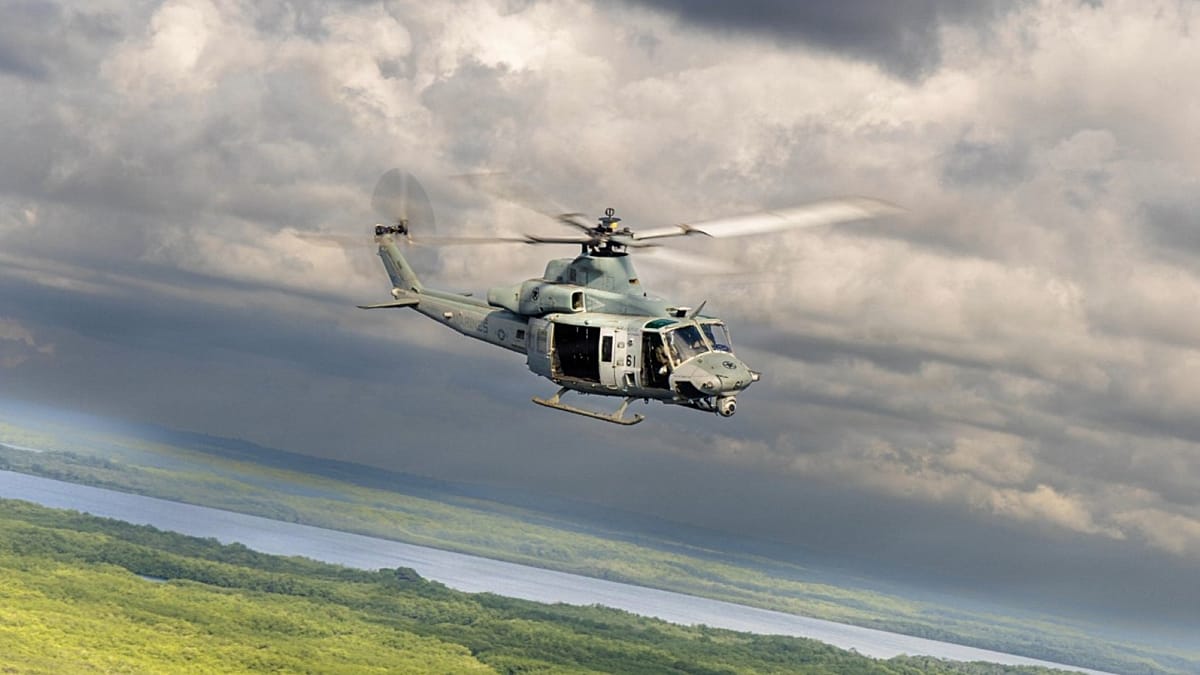
Foreign troop movements trigger a constitutional dispute over sovereignty and congressional oversight.
Bogotá, Colombia.
A Colombian judge has ordered the Ministry of Defense to explain the legal authorization behind the presence and overflights of United States military personnel in Tumaco, Nariño, after images released by US Southern Command showed Marine Corps helicopters operating in the area. The maneuvers took place between late August and early September and have generated questions over whether the deployment required prior authorization from Colombia’s Senate.
The judicial order followed a constitutional protection action filed after Representative Erick Velasco Burbano said the Defense Ministry had failed to respond adequately to an earlier formal request for information. Judge Yessica Arteaga Sierra gave the ministry 48 hours to provide a clear and substantive explanation and to document compliance with the ruling. The decision does not establish that the US military presence was unconstitutional; it requires the government to clarify the legal framework under which the operation occurred.
Velasco has argued that the participation of foreign troops should have been submitted to Congress and has raised questions involving sovereignty and international humanitarian law. Those arguments represent the congressman’s position rather than a final judicial determination. Colombia’s Constitution assigns the Senate a role in authorizing the transit of foreign troops through national territory, making the purpose, duration and legal classification of the Tumaco operation central to the dispute.
The controversy comes amid continuing military cooperation between Bogotá and Washington. US and Colombian military officials have maintained coordination on regional security and counternarcotics operations, particularly in areas affected by armed groups and illicit trafficking. Tumaco, located on Colombia’s Pacific coast, has long been strategically important because of its proximity to maritime drug-trafficking routes and areas with significant illegal armed activity.
Other political figures have also questioned the legal basis for the presence of US personnel. Their concerns focus on whether existing cooperation agreements are sufficient to authorize particular military activities or whether explicit congressional approval is required. That issue remains subject to legal interpretation and judicial review.
The dispute therefore extends beyond the presence of individual helicopters. It raises a broader institutional question about how foreign military cooperation should be authorized, documented and subjected to democratic oversight in Colombia.
For the Colombian government, the immediate challenge is to demonstrate that the Tumaco operations complied with constitutional and legal requirements. For the country’s institutions, the case tests the balance between international security cooperation, executive authority and legislative oversight.