

 Phoenix 24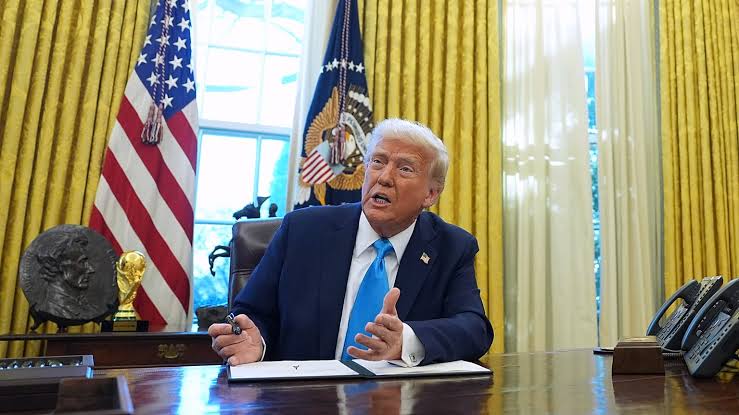
A fertilizer negotiation exposes competing agricultural and geopolitical priorities.
Washington, United States.
US President Donald Trump announced on September 21 that Washington is negotiating a major agreement to purchase potash from Belarus at prices he says would be substantially lower than those paid to Canada. The proposal aims to reduce fertilizer costs for American farmers while expanding commercial relations with the government of Belarusian President Alexander Lukashenko. It also introduces a new source of tension into US-Canadian trade relations, although no final agreement, purchase volume or binding price has been announced.
Potash is a potassium-rich mineral used in fertilizer to support crop development and agricultural yields. Canada supplies more than 80% of the potash used on American farms, making it a critical trading partner for the US agricultural sector. In 2025, American imports of Canadian potash were valued at approximately $4.2 billion. Trump argues that purchasing supplies from Belarus could lower costs for farmers and ranchers, but the proposed savings have not yet been independently established.
Belarus is a major international potash producer, although sanctions and transportation restrictions have complicated its access to Western markets. The European Union prohibits imports of Belarusian potash and maintains restrictions against the state-owned producer Belaruskali. With Lithuania continuing to restrict transit through its territory, additional shipments to the United States could require alternative export routes, including Russian ports. These logistical constraints could affect the final cost of any agreement.
The negotiations form part of Washington’s developing diplomatic relationship with Minsk. Talks involving US envoy John Coale have accompanied the release of hundreds of political prisoners and the easing of certain American sanctions on Belarusian companies. Lukashenko has also requested the release of more than $40 million in assets frozen within the American banking system. However, human rights organizations continue to report political repression, and Lithuania has argued that the European Union should maintain its existing sanctions.
Belarus’s relationship with Russia adds another dimension to the proposed transaction. Minsk allowed Russian forces to use Belarusian territory during the 2022 invasion of Ukraine and remains closely aligned with Moscow. European governments have consequently approached sanctions relief differently from Washington, creating a divergence between their economic and diplomatic policies.
The commercial implications also remain uncertain. Fertilizer market analysts have questioned whether additional potash supplies would address the most pressing agricultural cost pressures, particularly when nitrogen and phosphate fertilizers face separate disruptions. Transportation expenses and the availability of viable export routes may further limit the financial advantages claimed by the US administration.
For Canada, the proposed agreement raises questions about the future composition of a major agricultural trade relationship. For Belarus, it presents an opportunity to regain access to an important export market. For American farmers, the relevant outcome will depend on delivered fertilizer prices rather than the announcement alone.
The negotiations demonstrate how an essential agricultural input has become intertwined with sanctions policy, international logistics and diplomatic relations.
La narrativa también es poder. / Narrative is power too.