

 Inuk Sorensen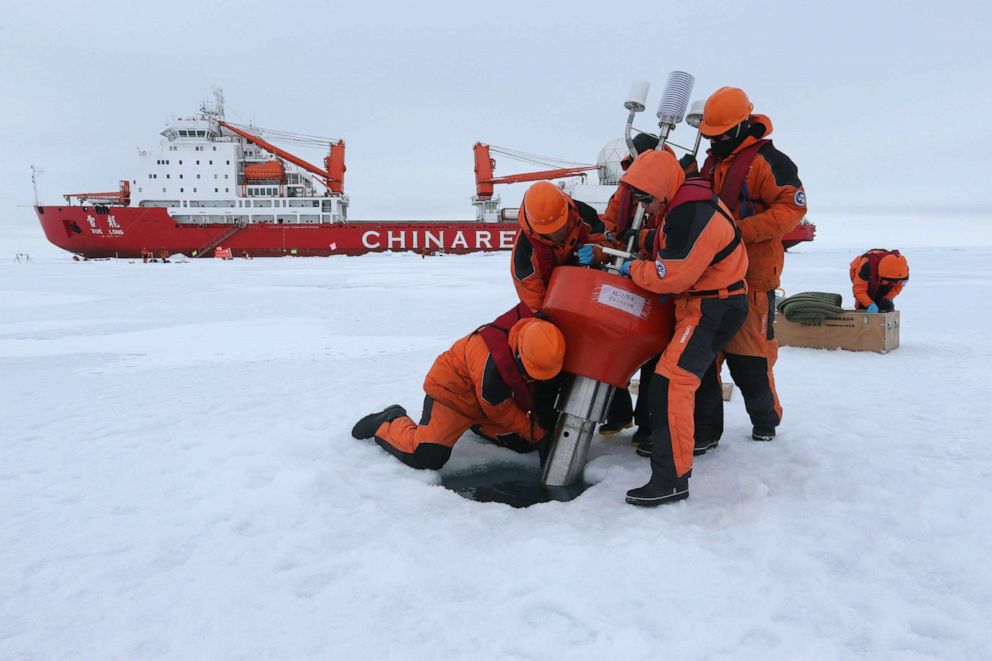
Where the ice ends, the bargaining begins. And in Greenland, every dock, rock, and radar is negotiated as if the world’s future passes through here.
Nuuk, August 2025 —
At first glance, the harbor in Sisimiut remains calm. Fishing vessels dock routinely, the air smells of salt and kelp, and residents move through the containers as if nothing were shifting. But beneath the steel and timber, the ground has been surveyed by distant powers. What was once a cod transit point is now a geostrategic node coveted by Washington, Beijing, and Brussels—not for its past, but for what lies underneath: lithium, rare earth elements, radar zones, and a sovereignty still unresolved.
For over a decade, Greenland has lived in an unspoken tension. Officially part of the Kingdom of Denmark, it enjoys self-rule but not independence. And while the Greenlandic government negotiates extractive projects with foreign powers, the indigenous Inuit population is placed in the uneasy position of conditional consent. The question is never whether we want the minerals—it is whether we prefer them extracted by China, the European Union, or the United States.
According to the latest report from the Geopolitical Arctic Forum, at least nine critical mineral extraction projects are currently active or under review in Greenlandic territory. Most are financed by entities with indirect state affiliations. The Kvanefjeld project, once stalled due to its links to China’s Shenghe Resources, was reactivated in 2024 under a “multinational consortium” including Norwegian and Australian capital. A semantic redesign—same risks, different flag.
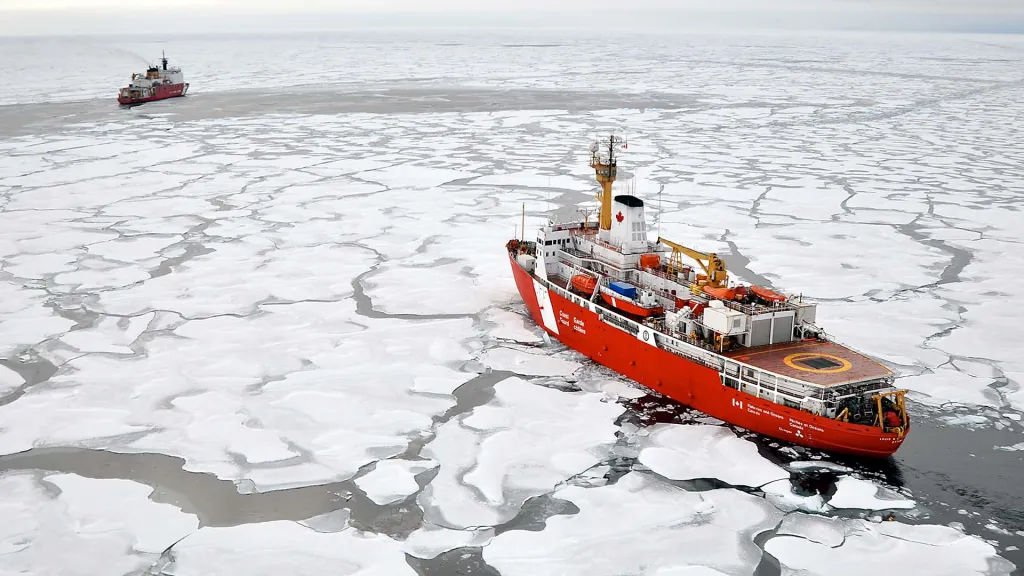
The lithium beneath our glaciers feeds not just the global energy transition—it fuels a quiet military calculus. NATO has expanded its Arctic infrastructure, including new patrol routes between Thule and the Faroe Islands and low-profile radar installations near Maniitsoq, operated by Danish contractors under defense cooperation clauses. Thule Air Base, nominally American, is no longer limited to space surveillance. It now serves as a hub for cryptographic communications and logistical Arctic operations in scenarios of potential conflict. The Arctic, say officials in Brussels, “must remain secured for the Western order.”
Secured—for whom? In practice, what is being secured is not just shipping lanes but the right of Indigenous peoples to decide the fate of their territories. Local assemblies are not given access to contracts. Communities are not meaningfully consulted. And in many cases, environmental and cultural impacts are not assessed in Kalaallisut—the language spoken on the land itself.
Meanwhile, China advances through a parallel strategy—not with direct military presence, but with civil investments masked as technical cooperation. In 2025, Nuuk inaugurated a “Polar Logistics Center” partially funded by Chinese infrastructure grants. Officially, no state enterprises are involved. Yet, reports from the Lowy Institute and the Arctic Security Research Centre indicate at least three associated firms have operational histories in dual-use projects across the South China Sea.
Greenland is being partitioned by those who see the map—but not the memory. What registers as a geolocation point to them is a ceremonial site to us. What they call a lithium reserve is, for Inuit families, the habitat of the caribou—the place of hunting, of burial, of ancestral continuity.
Still, the dominant narrative insists we must choose between “being left behind” or “integrating with the twenty-first century.” As if we did not exist before flags. As if resistance were not also a form of future.
Modernization discourse is just colonialism rebranded. It no longer arrives by warship—it arrives through memorandums of understanding, climate summits, and GIS-based development dashboards. Colonialism today requires no crossing of oceans. A .pdf agreement and a signature under “sustainable development” will suffice.
The real issue is not who extracts. It is who decides, who profits, and who vanishes from the map once the resource runs dry.
Whether Greenland becomes a logistical platform for NATO, a mining outpost for Beijing, or an Arctic Indigenous republic remains to be seen. But while ports are negotiated, so too are languages, lands, and the right to imagine a future where ice is not an excuse for invasion—but a place for life.
Because cold preserves bodies. But it can also freeze willpower. And it is time to thaw it.