

 Asha Kapoor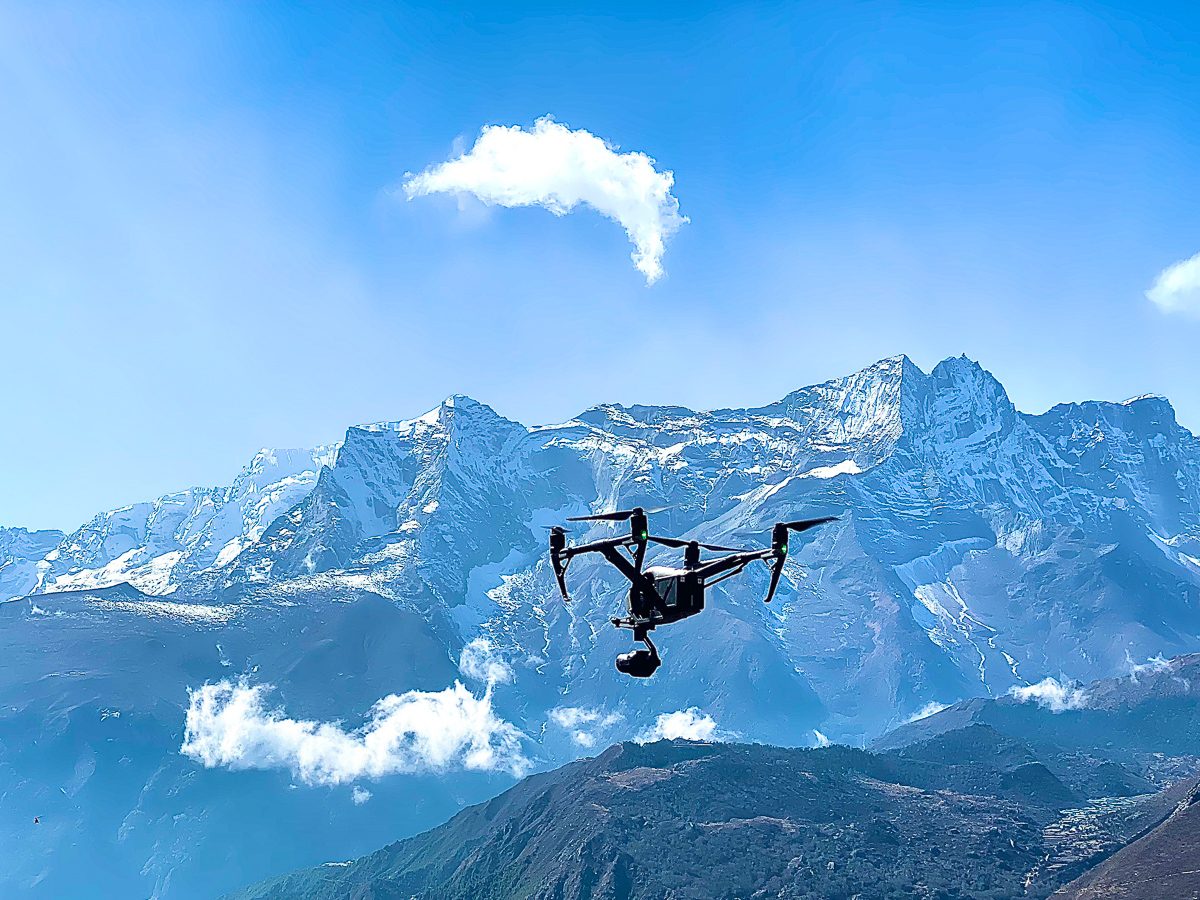
When religion becomes border software, the Himalayas are no longer a sanctuary—they are a state-sanctioned firewall of faith.
Delhi, August 2025 —
In the unseen altitudes of the Himalayas, surveillance is no longer measured in watchtowers or infantry. It lives in thermal sensors named after gods, night-vision cameras blessed by mantras, and drones tracing ancestral migratory routes with facial recognition algorithms loaded with religious bias. The border between India and its neighbors is no longer a cartographic line. It is a belief system—encoded.
From the plains of Assam to the passes of Arunachal Pradesh, through the remote outposts of Sikkim and the monastic ridges of Ladakh, the Indian state has deployed what the Ministry of Home Affairs calls the Integrated Securitization of Territorial Heritage. Executed with support from private defense firms and dual-use tech imports from Israel and South Korea, the program includes surveillance devices installed in temples, facial recognition stations at pilgrimage centers, and ritual monitoring software trained to flag “infiltrated” spiritual practices. According to the South Asia Terrorism Portal, over 40% of the new border intelligence units installed during 2024 were deployed in religiously sensitive zones.
But surveillance is never neutral—especially when it claims to defend the soul of a nation. The narrative framework justifying this apparatus is neither secular nor democratic. It is theocratic–algorithmic. These databases do not distinguish between believer and suspect, but between aligned and deviant. Along the Indo-Nepali corridor, Muslim communities are scanned using “interfaith behavioral profiling systems.” At the borders with Myanmar, Tamil Buddhists unaffiliated with Sri Lanka’s official clerical orders are flagged as “potential radicals.” And in Jammu and Kashmir, pilgrims straying from state-sanctioned routes are labeled as “liturgical anomalies.”
The idea of India as a digitally sacred wall is no longer metaphor—it is doctrine. In June 2025, the National Identity Protection Office approved a special clause within the DharmSuraksha (“Spiritual Defense”) program, allowing biometric Aadhaar data to be linked with records of religious festival attendance and digital devotion trails. The official argument: to prevent extremist infiltration disguised as piety. The reality: the creation of a faith indexation system under algorithmic surveillance.
Borders now divide more than land—they divide rituals. In the monasteries of Mustang, Nepal, incursions by Indian drones have been documented not only tracking human movement but intercepting the transmission of liturgical chants and ceremonial patterns. Reports by Human Rights Watch and the Biratnagar Foundation for Digital Freedoms indicate these actions violate bilateral cultural sovereignty treaties signed by India and Nepal since 2010. But in the emerging order of spiritual surveillance, even liturgy becomes suspect.
The silent displacement of religious minorities along the frontier is no collateral consequence—it is active policy. In districts like Lakhimpur, Sonitpur, and Namsai, where ethno-religious compositions have long been fluid, the forced relocation of Muslim families, non-affiliated Tamil Hindus, and Tibetan Buddhists has coincided with the construction of data centers and automated checkpoints. According to leaked figures from the Devotional Infrastructure Observatory, over 68 new Hindu temples funded by RSS-affiliated foundations have been built in areas formerly hosting undocumented multi-faith shrines.
This border is no longer a military barricade. It is a narrative, legitimized by code, belief, and silence. The concept of the “internal enemy” has migrated to the altar, the ritual gesture, the linguistic lineage. And as cameras document “aberrant” prayers, border authorities celebrate a nation guarded by gods and drones.
Where does citizenship stand when faith becomes a vector of suspicion? What happens to unaligned devotion, to spirituality without passport or permit? The republic’s promise of pluralism dissolves when the state decides which prayer is legitimate—and which is a threat.
This is not a war of religions. It is a policy of technospiritual obedience, where the believer must not only worship the right god, but do so at the right angle, in the right temple, before the right camera.
Because at this new border, crossing with documents is no longer enough—you must also cross with certified faith.
Asha Kapoor, South Asia affairs columnist at Phoenix24. Specialist in religious nationalism, gendered surveillance, and narrative power in the digital age.