

 Phoenix 24
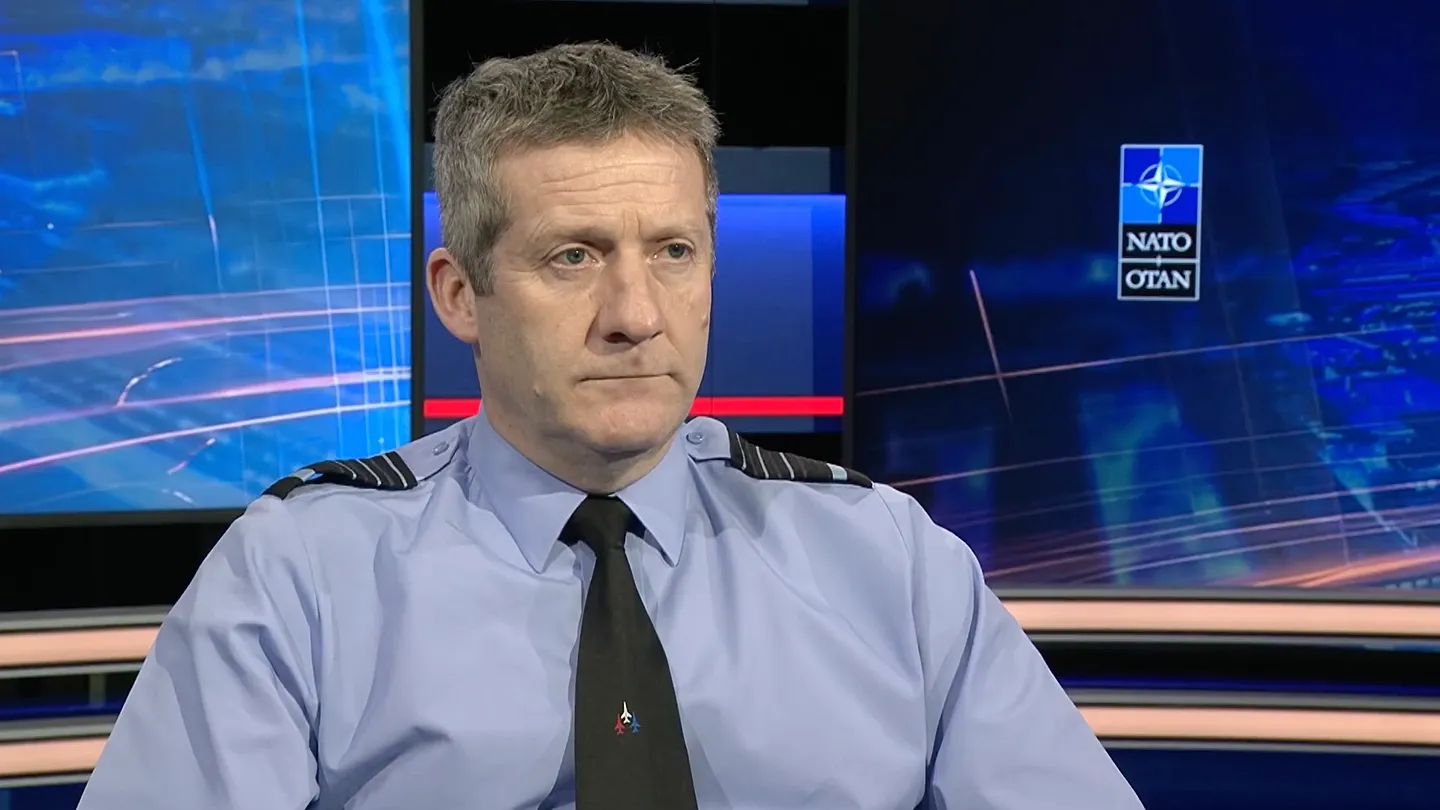
Military expertise enters diplomacy without resolving fundamental divisions.
ABU DHABI
Senior NATO military officials have become involved in diplomatic consultations surrounding US-mediated peace talks between Russia and Ukraine in Abu Dhabi, highlighting the importance of European security guarantees in any potential settlement. The discussions concluded with progress on a proposed prisoner exchange but no breakthrough over disputed territory or the conditions necessary to end the war.
General Alexus Grynkewich, NATO’s Supreme Allied Commander Europe, attended in his additional capacity as commander of US European Command. According to alliance officials, his role was to advise American representatives involved in President Donald Trump’s diplomatic initiative.
The distinction is significant. Grynkewich’s presence does not mean NATO has formally joined the negotiations between Moscow and Kyiv. Russian representatives declined to meet European and NATO officials, who instead held separate consultations with the American and Ukrainian delegations.
The talks brought together US envoys Steve Witkoff and Jared Kushner, Ukrainian negotiators led by Rustem Umerov and a Russian delegation headed by Vladimir Medinsky.
Although both sides acknowledged limited progress, territorial disagreements remain unresolved. Moscow continues demanding Ukrainian concessions in the eastern Donbas region, while Kyiv rejects surrendering sovereign territory as a condition for peace.
Speaking separately at NATO headquarters, Deputy Supreme Allied Commander Europe Sir John Stringer expressed doubts about whether Russian President Vladimir Putin had abandoned the territorial objectives that accompanied the invasion launched in February 2022.
Stringer emphasized that decisions concerning Ukrainian territory belong to Ukraine itself, underscoring the importance of sovereignty in any negotiated settlement.
His remarks also exposed differences in Western assessments of military pressure on Russia. While Trump has criticized Ukrainian attacks on Russian oil infrastructure because of their potential effects on energy prices, Stringer praised Ukraine’s ability to impose economic and operational costs on Moscow.
European governments are particularly concerned about the security framework that would follow a ceasefire. In a joint statement issued during the Abu Dhabi meetings, representatives of the European Union, France, Germany, Italy, the United Kingdom, Ukraine, the United States and NATO reaffirmed their commitment to credible security guarantees and an enduring European defense architecture.
The negotiations produced an agreement in principle on a significant prisoner-of-war exchange, offering a limited humanitarian achievement. However, the proposed exchange does not constitute a comprehensive peace agreement, and military operations continued while the delegations met.
Kushner acknowledged the profound lack of trust between the parties, describing the discussions as an initial step rather than a diplomatic breakthrough.
For NATO, the immediate challenge extends beyond ending active hostilities. Any settlement must address the credibility of future security commitments, the risk of renewed conflict and the relationship between Ukraine’s sovereignty and Europe’s collective defense arrangements.
The presence of senior military officials reinforces the understanding that diplomatic agreements require practical security mechanisms. Whether those mechanisms can bridge the distance between Moscow’s demands and Kyiv’s conditions remains uncertain.
The Abu Dhabi discussions have reopened channels of negotiation, but lasting peace will depend on more than diplomatic participation. It will require enforceable commitments that address territorial sovereignty, military security and the conditions necessary to prevent another war.
Beyond the Headlines, Accountability Matters.