

 Phoenix 24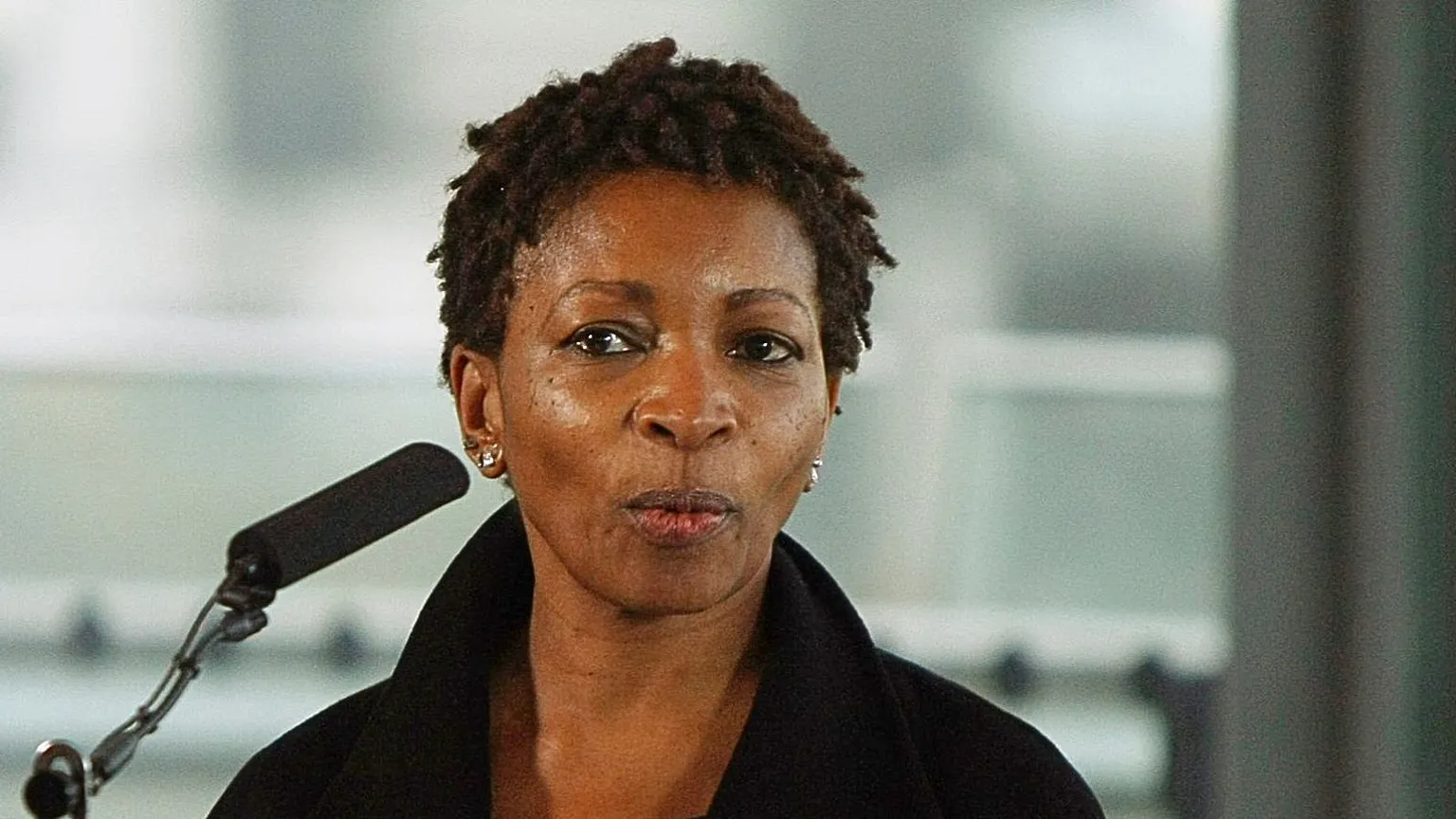
A distinctive voice leaves an enduring cultural legacy.
London, United Kingdom.
British-American playwright, novelist and cultural commentator Bonnie Greer died on September 15 at the age of 77 following a brief illness, her husband David Hutchins confirmed. Born in Chicago, Greer became an influential presence in British cultural life through her writing, broadcasting and work with major artistic institutions. Her career moved across literature, theater and public debate, examining questions of identity, race and cultural belonging. Her death marks the loss of a writer whose intellectual interests crossed national and artistic boundaries.
Greer was born in 1948 and developed her theatrical interests in the United States before relocating to Britain in 1986. She became a British citizen in 1997, establishing a transatlantic identity that influenced much of her literary and public work. Her writing frequently explored the experiences of Black communities, the complexity of cultural identity and the relationship between personal history and wider social structures. These concerns shaped a career that resisted confinement to a single literary genre.
Her early recognition came through Munda Negra, which received the Verity Bargate Award for Best Play in 1993. She subsequently published the novels Hanging by Her Teeth in 1994 and Entropy in 2009, alongside works of nonfiction that examined cultural history and identity. Her biography Langston Hughes: The Value of Contradiction, published in 2011, explored the American poet’s complex relationship with artistic expression and political identity. Another notable work, Marilyn and Ella, examined the relationship between Marilyn Monroe and jazz singer Ella Fitzgerald, bringing questions of race and cultural recognition into theatrical storytelling.
Greer also became a familiar figure on British television through appearances on Newsnight Review and Question Time. Her contributions brought literary and cultural perspectives into discussions involving national identity, social inequality and public institutions. A widely discussed appearance alongside British National Party leader Nick Griffin in 2009 demonstrated her participation in debates extending beyond conventional arts criticism. Broadcasting introduced her work to audiences who might never have encountered her novels or theatrical productions.
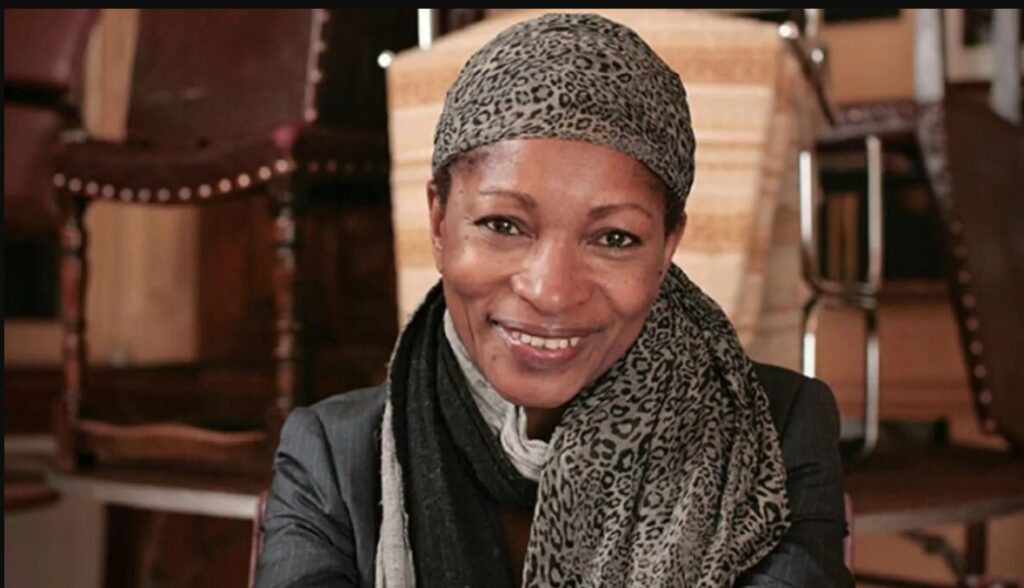
Her institutional contributions were equally extensive. Appointed to the British Museum’s board of trustees in 2005, she subsequently served as deputy chairwoman and held positions associated with the Royal Opera House and the London Film School. She also served as Chancellor of Kingston University and was elected a fellow of the Royal Society of Literature in 2022. In 2010, she received an appointment as an Officer of the Order of the British Empire for her services to the arts.
Announcing her death, Hutchins described Greer as an accomplished writer and commentator whose distinctive voice contributed to British cultural life. He also remembered her warmth, humor and ability to bring people together, emphasizing the personal relationships that accompanied her public achievements. The family requested privacy following her death.
Greer’s legacy extends beyond her individual publications and institutional appointments. Her career illustrates how migration, literary creativity and participation in public debate can intersect across different cultural environments. From Chicago to London, she developed a body of work concerned with the ways individuals negotiate history, identity and belonging.
Cada silencio habla. / Every silence speaks.