

 Phoenix 24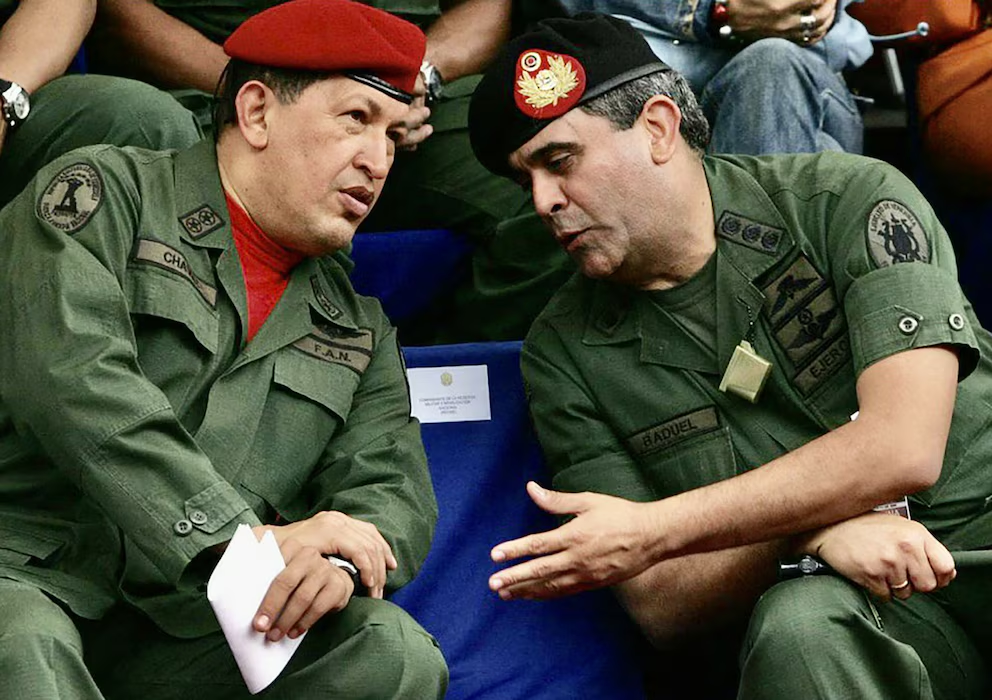
The novel reopens an unfinished Latin American wound.
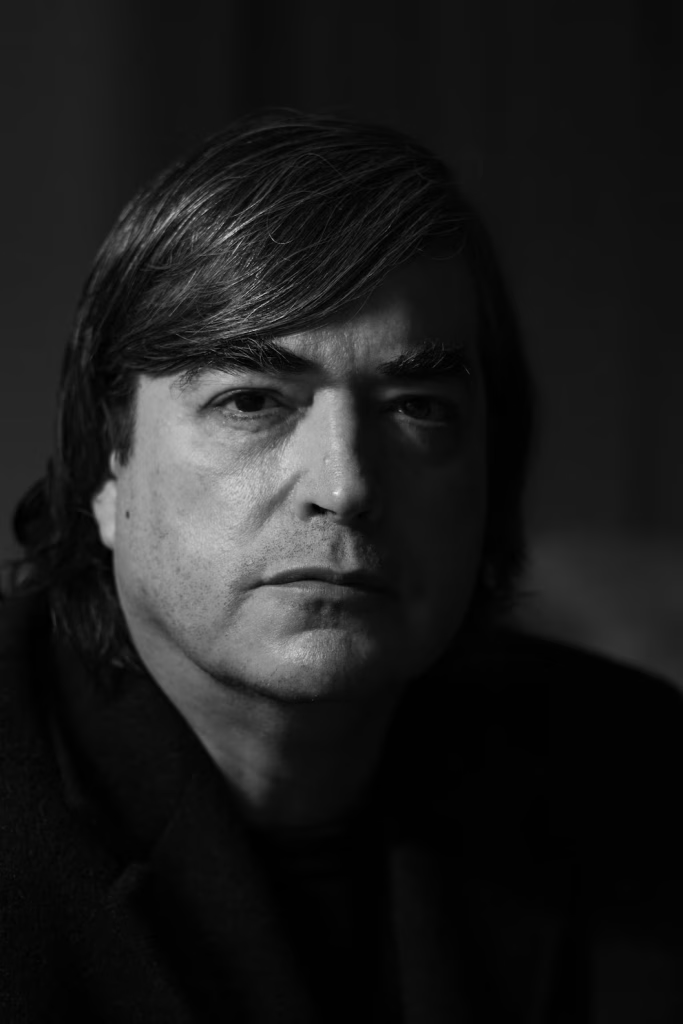
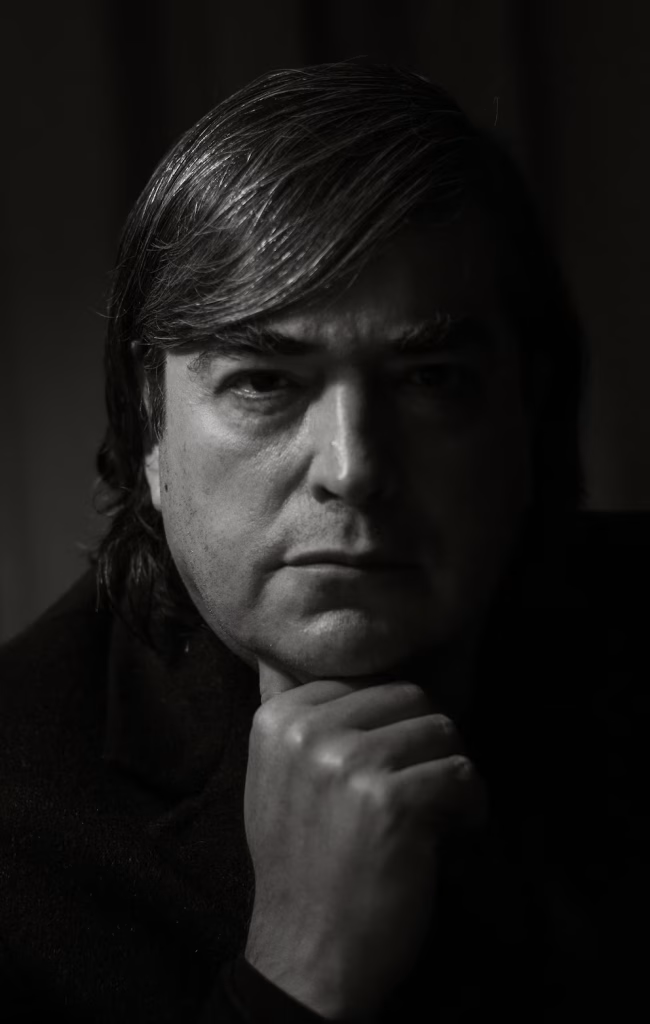
Bogotá, May 2026. Jaime Bayly’s presentation of Los golpistas at the Bogotá International Book Fair placed one of Latin America’s most contested political episodes back inside the cultural arena: the failed 2002 coup against Hugo Chávez. The Peruvian writer and journalist uses fiction not to replace history, but to enter the spaces where official archives, propaganda and personal testimonies still collide.
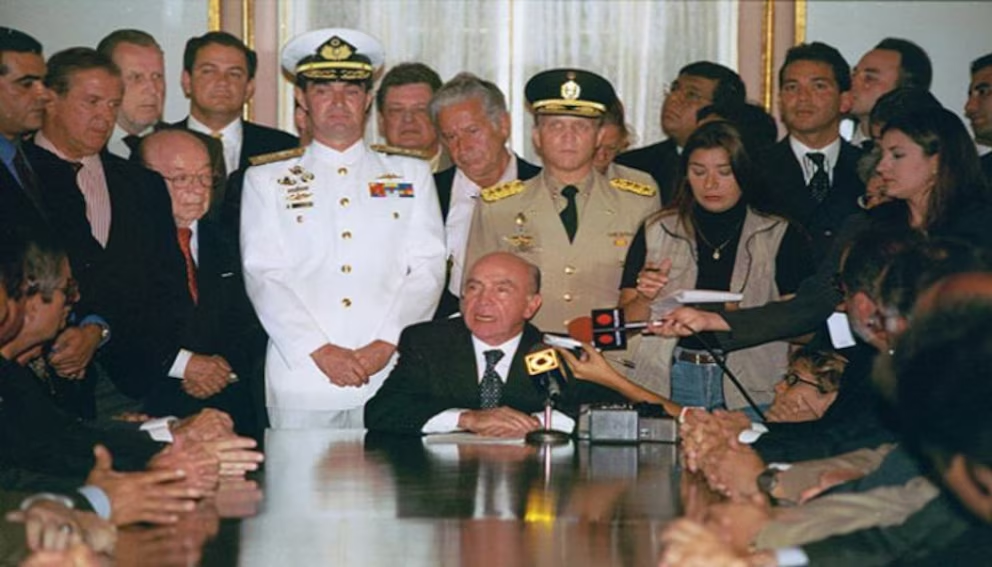
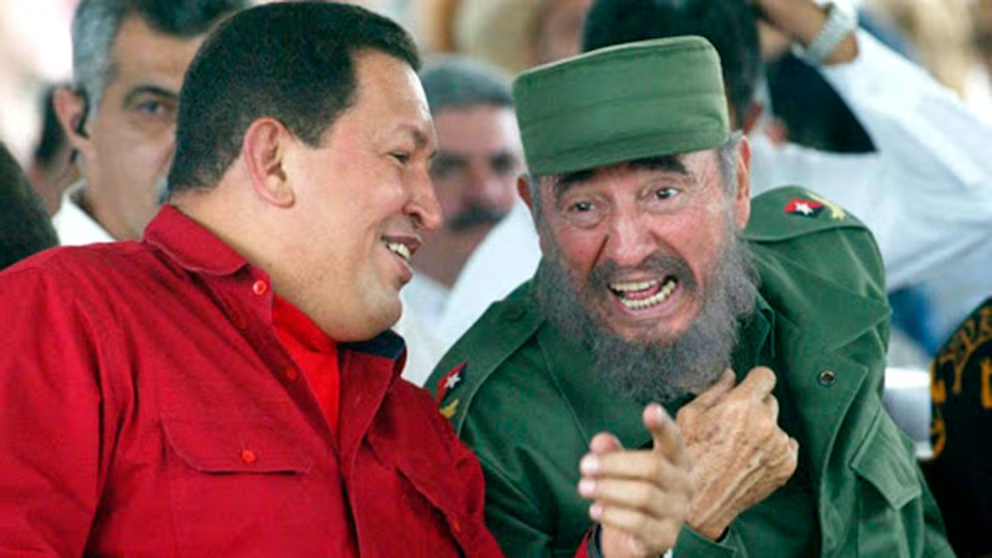
The novel reconstructs the turbulent days in which Chávez was briefly removed from power before returning to Miraflores, a moment that remains central to Venezuela’s political mythology. Bayly approaches that fracture through a hybrid lens, mixing documented events, literary speculation and the long shadow of Cuban influence over the Venezuelan project. The result is less a courtroom reconstruction than a political novel about secrecy, ambition and the machinery of power.
In Bogotá, the book’s relevance went beyond literary promotion. Venezuela remains one of the defining conflicts of the hemisphere, and any narrative about Chávez inevitably touches the unresolved legacy of authoritarianism, polarization and regional realignment. Bayly’s work enters that terrain with the tools of a novelist, but also with the instincts of a journalist trained to read contradiction, silence and rumor as political material.
The deeper force of Los golpistas lies in its central question: what happens when a failed coup becomes part of a regime’s founding myth? For chavismo, April 2002 became proof of siege and justification for ideological hardening. For its critics, it remains a moment of institutional collapse, military ambiguity and international intrigue whose full truth has never been cleanly settled.
Bayly’s novel does not close that wound. It reopens it under another method, using fiction to test what political memory refuses to clarify. In doing so, Los golpistas suggests that Latin America’s most decisive ruptures are not only fought in streets, barracks and presidential palaces, but also in the stories that survive after power writes its first version.
La verdad es estructura, no ruido. / Truth is structure, not noise.