

 Phoenix 24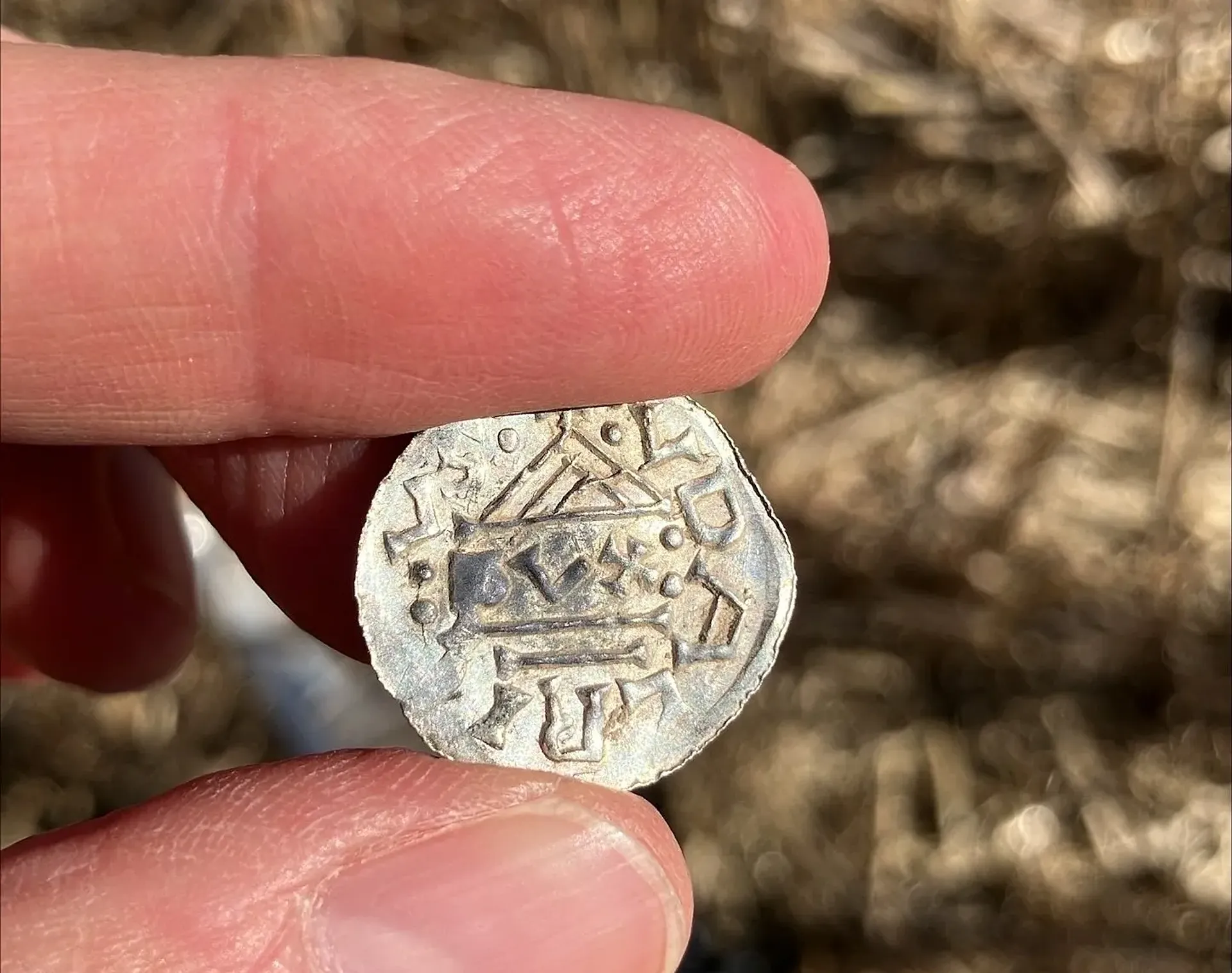
A field discovery becomes a map of power.
Rena, May 2026. The discovery of more than 3,150 Viking Age silver coins in eastern Norway has moved beyond archaeological curiosity and entered the deeper terrain of historical identity, trade and state formation. Found near Rena after metal detectorists first uncovered a small cluster of coins, the hoard is now considered Norway’s largest Viking coin discovery on record. Its scale forces a wider question: whether Viking wealth should be read only through conquest, or also through production, commerce and regional economic networks.
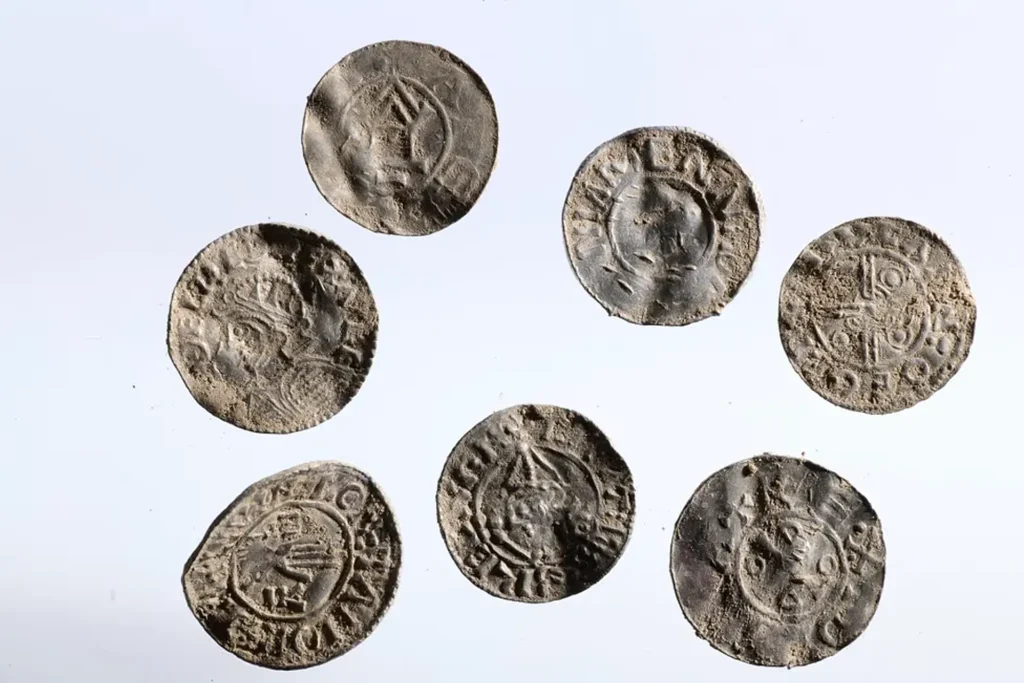
The coins appear to come from several political and monetary worlds, including England, Germany, Denmark and Norway. That diversity matters because it reveals a Viking Age economy far more interconnected than the simplified image of raiding ships and isolated northern settlements. Silver moved through tribute, trade, warfare, taxation and exchange, turning buried hoards into silent archives of medieval globalization.
The find also points to the strategic importance of inland Norway. Experts have linked the region to large-scale iron production, suggesting that wealth may have been generated not only through foreign expeditions but through industrial capacity rooted in local landscapes. In that sense, the treasure does not merely tell a story of Vikings abroad; it also exposes a domestic economy capable of feeding broader European circuits of power.
What makes the discovery especially important is its timing within the Viking Age. The coins are believed to belong to a period of political transition, when foreign currency still circulated widely and Norwegian kingship was moving toward more centralized forms of authority. A hoard of this magnitude therefore captures a society between worlds: local, mobile, violent, commercial and increasingly political.
The silver fragments found alongside the coins deepen that reading. Cut pieces of jewelry, often used as payment by weight, show that value was not always standardized by royal minting or formal currency systems. Money in this context was practical, portable and negotiable, reflecting a world where trust often depended less on symbols of the state and more on the measurable weight of metal.
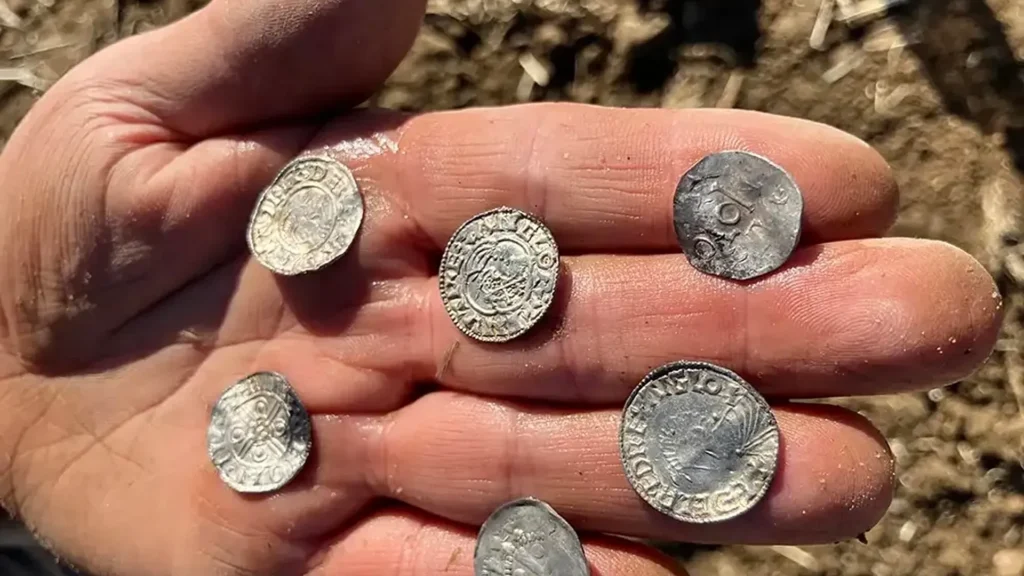
The discovery also highlights the role of responsible detection and archaeological coordination. The initial finders reportedly stopped after identifying the first coins and alerted authorities, allowing specialists to document the site properly. That decision preserved not only the objects, but the historical context that gives them meaning.
For Norway, the hoard is more than a museum event. It strengthens a national conversation about how Viking history should be understood beyond myth, tourism and popular culture. The coins suggest a society embedded in European exchange, shaped by resource extraction and positioned within a wider political economy long before the modern nation-state existed.
The treasure’s real value, then, is not only silver. It lies in what the hoard reveals about movement, production, authority and memory. Beneath a Norwegian field, archaeologists did not simply find coins; they uncovered a compressed map of the Viking world at the edge of transformation.
La verdad es estructura, no ruido. / Truth is structure, not noise.