

 Phoenix 24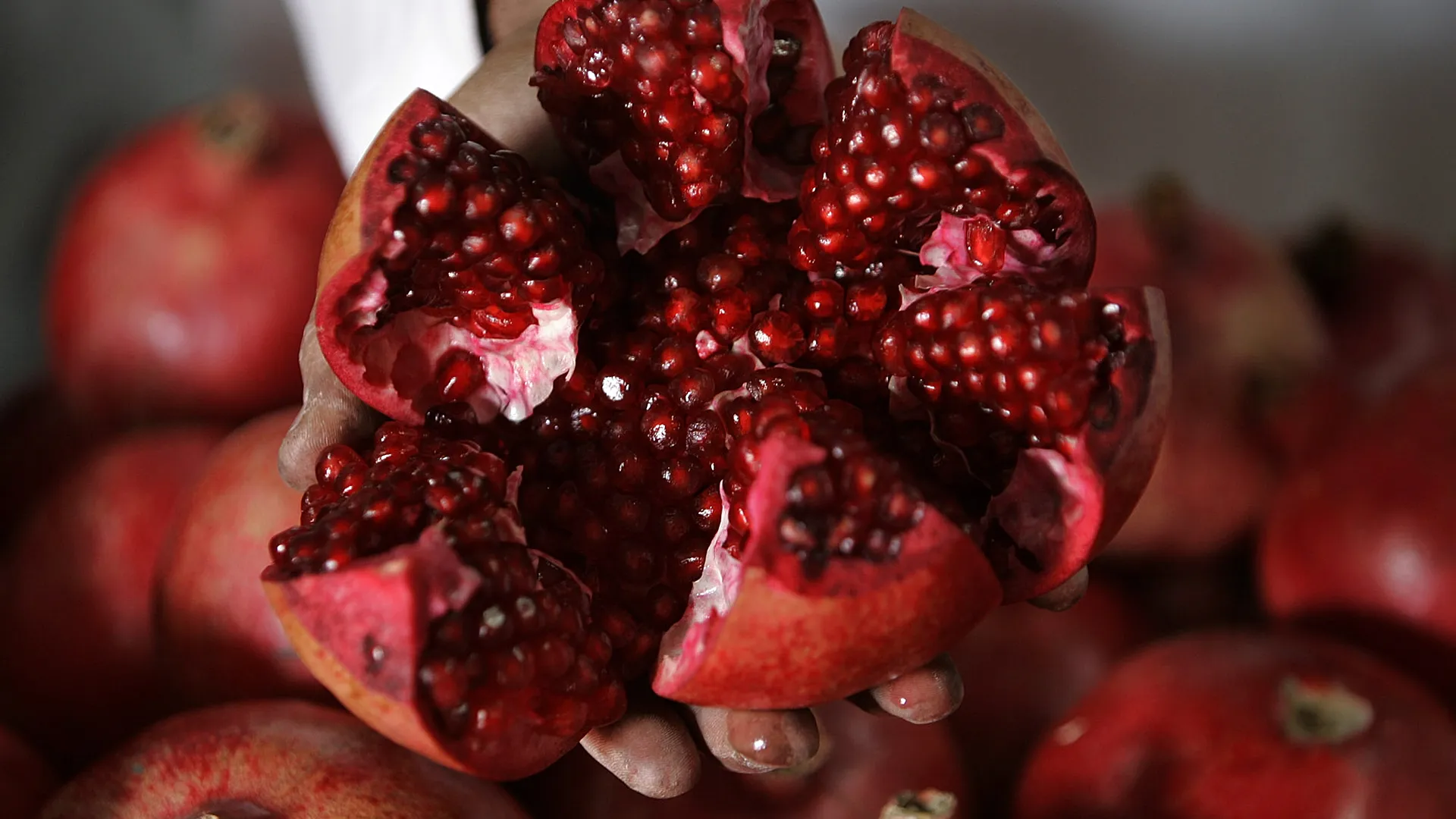
With more than 200 native varieties and exports reaching €48.2 million, the energy-rich nation is turning an ancient cultural symbol into a modern engine of economic diversification.
Baku, Azerbaijan — August 2026. Azerbaijan is seeking to transform the pomegranate from a deeply rooted national symbol into one of its most valuable global agricultural brands as the country works to expand its economy beyond oil and gas.
Exports of fresh pomegranates and processed products reached €48.2 million in 2025, making the fruit one of Azerbaijan’s fastest-growing non-oil exports. Approximately 23,000 hectares of orchards now supply fresh fruit, juice, concentrate, wine and seed oil to 26 countries across Asia and the Gulf region.
The expansion places Azerbaijan in direct competition with established producers such as Iran, Turkey and Spain. Local exporters believe the country can distinguish itself through its native varieties, proximity to European and Middle Eastern markets and phytosanitary standards compatible with the European Union.
More than 200 varieties are cultivated across Azerbaijan, particularly in the Kur-Araz lowland and the Goychay district. Guloysha is the best known internationally, prized for its thin skin, high juice content and balanced sweet-and-sour flavor. Other varieties—including Valas, Shah Nar, Nazik Gabig and Bala Mursal—offer different colors, textures and flavor profiles.
Fresh fruit continues to dominate the industry, but Azerbaijan is investing in processing plants, refrigerated storage and logistics infrastructure to extend the commercial season. Juice, concentrate and seed oil allow producers to reach international buyers throughout the year instead of depending exclusively on the autumn harvest.
Foreign supermarket chains demand consistent sizing, stronger food-safety controls and packaging that complies with international standards. Meeting those requirements is encouraging small farmers to form partnerships, obtain financing and adopt more advanced production methods.
The government’s strategy is no longer focused solely on increasing agricultural output. Officials want producers to create recognizable, high-value brands capable of securing a permanent place in competitive international markets.
Climate change, however, threatens that ambition. Cold weather and heavy rain during late May and early June disrupted flowering this year, reducing productivity in some orchards by between 15% and 20%. Wine production fell by an estimated 30% to 40% compared with 2025.
Producers are also confronting higher temperatures, longer droughts, water scarcity and the faster spread of orchard diseases. Drip irrigation, digital water management and more efficient farming practices have consequently become central to the industry’s future.
The pomegranate also carries nearly 2,000 years of cultural meaning in Azerbaijan, where it symbolizes abundance, prosperity and well-being. The annual Goychay Pomegranate Festival attracts tens of thousands of visitors and serves as both a cultural celebration and a commercial meeting point for farmers, exporters and international buyers.
UNESCO added the festival to its Representative List of the Intangible Cultural Heritage of Humanity in 2024, strengthening the international visibility of the “Made in Azerbaijan” brand.
For a country historically identified with hydrocarbons, the pomegranate offers something strategically different: a renewable export linked to regional identity, rural employment and value-added production.
Azerbaijan’s next global symbol may not rise from beneath the Caspian Sea, but grow quietly from the soil of its orchards.