

 Phoenix 24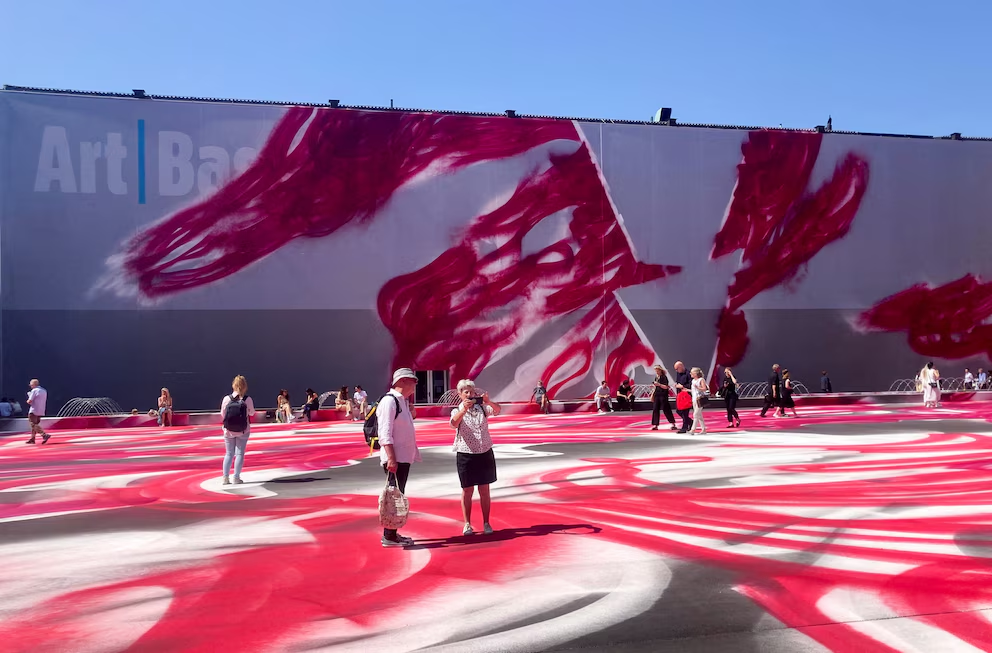
Numbers do not always scream what headlines try to impose.
New York, September 2025.
In recent months, headlines have insisted that the art market is on the verge of collapse: prices falling, sales dwindling, collectors pulling back. Yet the data collected from New York’s spring auction season tells a different story. More than two billion dollars were moved in sales, which, while lower than the record peaks of past years, still demonstrates remarkable resilience in a sector many had prematurely declared dead. Art Basel and other observers underline that what we are seeing is a rise in selectivity, not a mass exodus.
Media pessimism acts as a catalyst for crisis narratives. Analysts such as Noah Horowitz argue that negative coverage can amplify perceptions of decline, leading the public to assume collapse is inevitable even when the fundamentals remain solid. Contemporary buyers, experts say, are becoming more cautious, but they remain active. Emerging artists continue to find interest. International fairs maintain their ability to attract crowds. What has shifted is not the disappearance of the market, but its character, moving from expansive to more demanding.
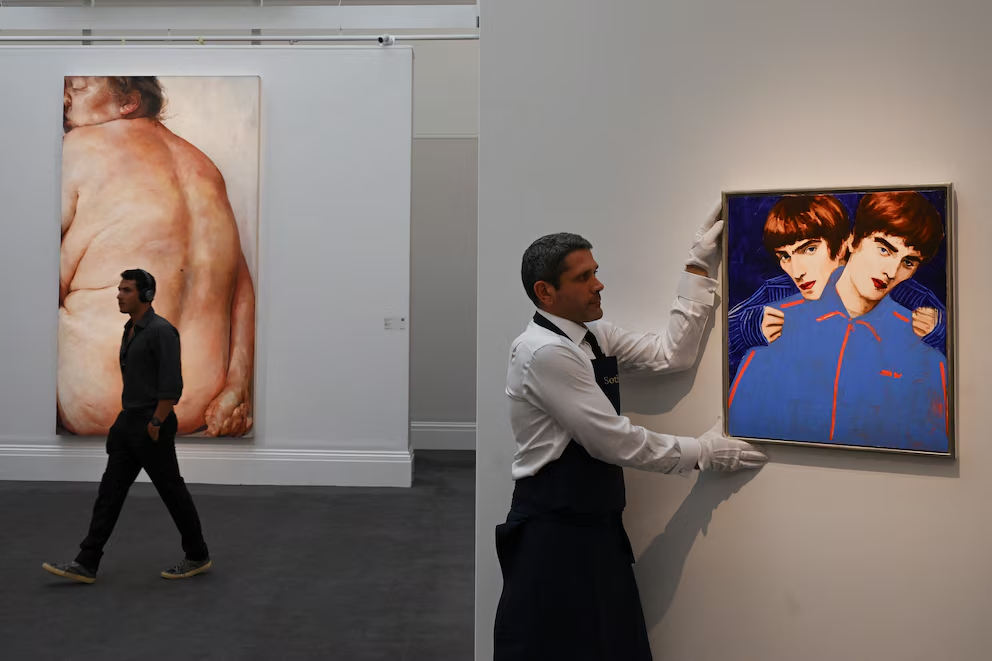
The factors shaping this perception include global economic volatility, geopolitical conflicts, currency fluctuations, and inflation. Consumption habits have also evolved: collectors are no longer seeking ostentation but significance. Investors are opting for works with strong provenance, clear histories, and measured risks, while avoiding speculative bets. In this environment prudence ceases to be passivity and becomes strategy.
Data shows that some categories have been hit harder than others. Accessible contemporary works, smaller formats, and emerging artists have struggled against rising costs of transport, importation, and logistics. Meanwhile, works by established masters have maintained stronger levels of demand and price, particularly when backed by institutional recognition or international acclaim. This contrast also explains the alarmist headlines: it is easier to highlight visible downturns in selective areas than to contextualize the broader structural health of auctions, record sales, and consistent international buying.
Regional dynamics further complicate the picture. The Latin American market, for instance, shows mixed behavior. Some local fairs report growth in attendance and average dollar sales despite unfavorable currency exchange rates. Domestic collectors are purchasing more imported works from local artists and favoring mid-sized pieces over monumental investments. This geographic resilience undermines the notion of a uniform global crisis.
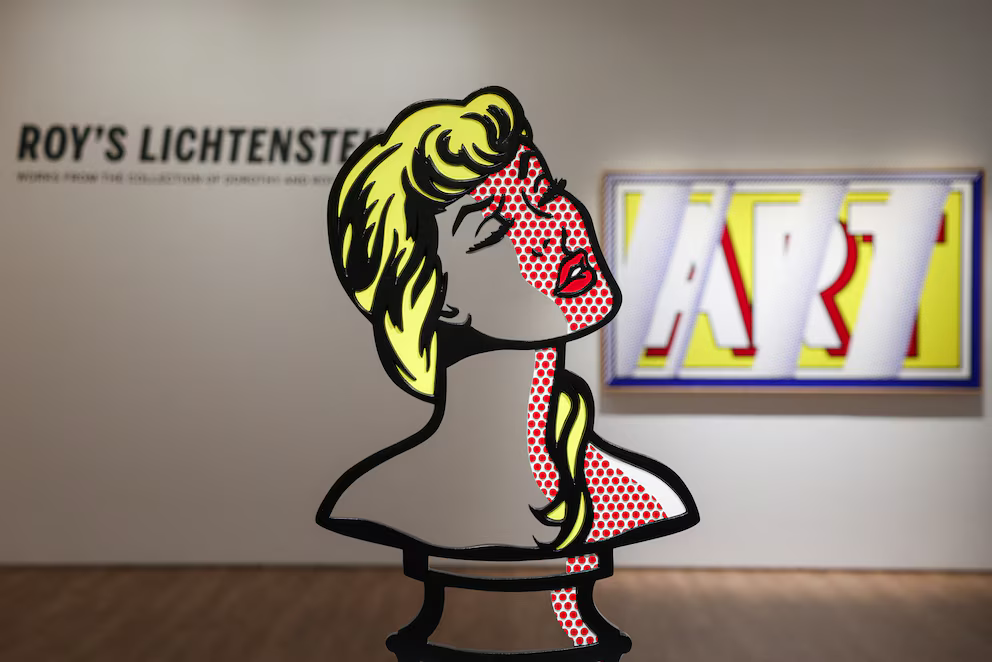
For those tracking the business, one crucial fact is that auction records continue to be broken, though less frequently than in past booms. Several lots from renowned artists have achieved historic prices. Works once sold quietly or moderately have returned to prominence thanks to quality, previous exposure, or impeccable provenance. Such results reinforce the thesis that perception of decline does not always align with actual loss of value or with the market’s ability to generate moments of brilliance.
The art market today is facing a test of its own narrative: whether its players will allow headlines to dictate their future. In a challenging context, where data reflects fluctuation but not collapse, the risk lies in mistaking natural deceleration for terminal decline. More dangerous still is that potential buyers, influenced by crisis discourse, may withdraw, worsening what is in essence a cyclical adjustment.
The lesson is clear. Selling art is also about shaping expectations, building stories, and nurturing visions. But this narrative must be balanced with facts: real sales volumes, concrete records, auctions that consolidate value, and genuine demand rather than imagined trends. Without data, there is no market. Without human interpretation, there is no viable reality.
Detrás de cada dato, hay una intención. Detrás de cada silencio, una estructura.
Behind every fact, there is an intent. Behind every silence, a structure.