

 Phoenix 24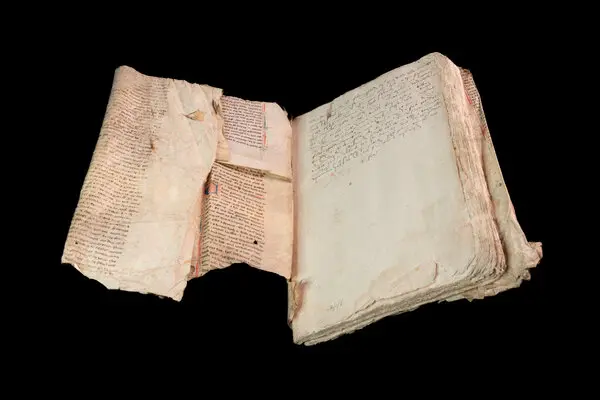
Seven centuries return to the market.
LONDON, May 2026. One of the rarest known manuscripts linked to the legend of King Arthur is heading to auction after remaining outside public circulation for roughly seven centuries. The sale places a medieval literary artifact at the center of a wider cultural debate over heritage, private collecting and the market value of myth.
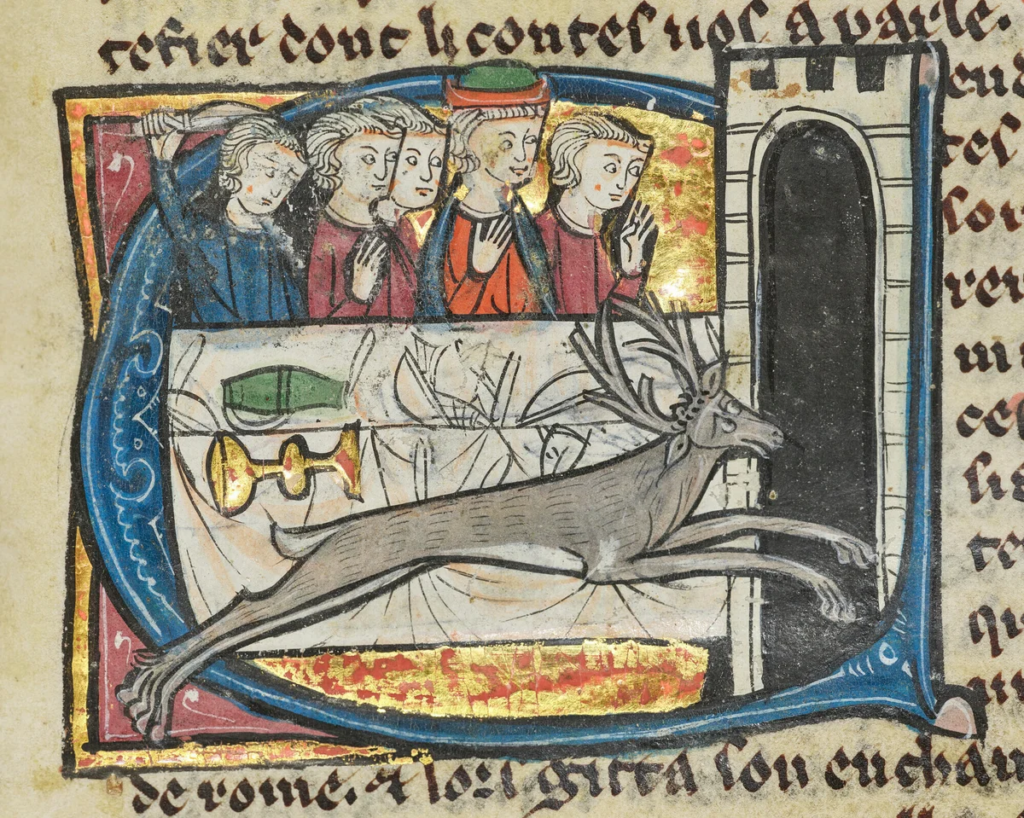
The manuscript’s importance lies not only in its age, but in the world it preserves. Arthurian literature shaped European ideas of kingship, honor, betrayal, chivalry and sacred legitimacy. Every surviving fragment from that tradition offers a window into how medieval societies imagined power, morality and political order through narrative.
Its appearance at auction transforms a scholarly object into a financial event. Rare manuscripts of this kind are not ordinary collectibles; they are cultural vessels whose value depends on scarcity, provenance, textual significance and symbolic aura. When such works enter the market, they test the fragile line between preservation and ownership.

The sale also raises the question of access. If acquired by a private buyer, the manuscript could disappear again into a restricted collection, limiting scholarly study and public visibility. If purchased by an institution, it could become part of a broader effort to preserve and interpret medieval literary heritage for future generations.
Arthurian legend survives because it has always been rewritten. From medieval romances to modern novels, cinema and television, the story of Arthur has functioned as a mirror for changing anxieties about leadership, loyalty and collapse. This manuscript belongs to that deeper chain of transmission, where myth becomes archive and archive becomes power.

The auction therefore matters beyond the art market. It reminds us that civilization often survives through fragile materials: parchment, ink, marginal notes, bindings and the chance decisions of owners across generations. A manuscript can outlive kingdoms, dynasties and wars, only to reappear when the market decides that memory has a price.
For collectors, the sale represents rarity. For scholars, it represents evidence. For the public, it represents the strange endurance of a legend that still shapes cultural imagination after centuries. Arthur returns not through a sword in stone, but through parchment crossing into the global economy.
The visible and the hidden, in context. / Lo visible y lo oculto, en contexto.