

 Phoenix 24
A literary invitation becomes a test of cultural dissent.
Granada, Spain.
Argentine novelist Ariana Harwicz has been removed from the Cultur Alh International Festival of Art, Literature and Humanities in Granada after pro-Palestinian groups objected to her opposition to cultural boycotts of Israel. The decision, confirmed by festival organizers ahead of the event scheduled for September 21–27, followed requests from university reading groups and a letter from the University Network for Palestine in Granada. Harwicz, an internationally recognized writer and a 2018 International Booker Prize finalist, accused the organizers of yielding to activist pressure. The controversy has brought questions of artistic independence, institutional responsibility and freedom of expression into the center of Spain’s cultural debate.
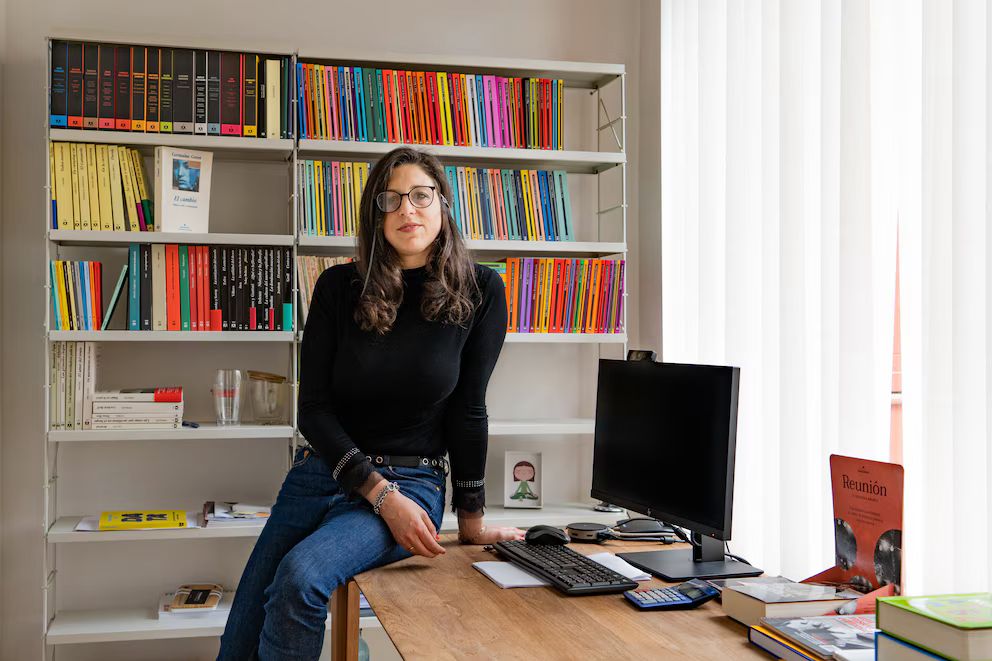
The writer had been scheduled to participate in a public conversation titled Opposing the World alongside Spanish author Jesús Ortega on September 26. The event was to take place in Granada’s Plaza de las Pasiegas as part of a festival organized by the University of Granada to commemorate its fifth centenary. More than 60 writers, artists and intellectuals are expected to participate in approximately 30 free activities across 13 venues. Harwicz’s exclusion removes one of the invited literary voices from a program intended to encourage discussion across different intellectual traditions.
Festival codirector Patricia Escalona confirmed that the invitation had been withdrawn following objections to Harwicz’s position on cultural boycotts. Fellow organizer Ana Gallego Cuiñas explained that the decision reflected the university’s institutional commitments concerning Palestine and human rights. She also argued that anticipated demonstrations at the public venue could have made a meaningful literary discussion impossible. The organizers maintained that withdrawing the invitation did not constitute a rejection of the author’s literary work.
Harwicz offered a sharply different interpretation. In public statements and an interview with El País, she accused festival organizers of submitting to ideological pressure and warned that disagreement was becoming grounds for exclusion from cultural institutions. The novelist emphasized that her opposition to cultural boycotts extends beyond Israel, recalling that she also rejected the exclusion of Russian artists following the invasion of Ukraine. Her stated position is that individuals should not be judged solely by their nationality or the actions of their governments.
The disagreement illustrates competing approaches to cultural responsibility during international conflicts. Supporters of cultural boycotts argue that withdrawing participation can exert pressure on institutions associated with governments whose conduct they oppose. Critics of excluding individual artists contend that such measures can restrict intellectual exchange when participation becomes conditional on publicly endorsing particular political positions. The Granada controversy concerns an individual writer’s invitation, rather than a documented institutional partnership with an Israeli organization.
Questions surrounding safety remain unresolved. Organizers cited the possibility of protests disrupting the scheduled public conversation, but the reporting does not establish that a specific violent threat against Harwicz had been independently verified. Her characterization of the decision as capitulation to intimidation therefore remains her own assessment.
The episode also exposes an institutional dilemma for universities and cultural festivals. Protecting the right to protest and ensuring participants can express unpopular positions are distinct responsibilities that can become difficult to reconcile during polarized disputes. Whether the organizers considered alternative venues, additional security or a modified discussion format has not been publicly established.
Harwicz’s exclusion leaves the festival proceeding without the conversation originally planned around her work. The broader question remains whether cultural institutions can accommodate disagreement over international conflicts while preserving meaningful opportunities for literary and intellectual exchange.
Cada silencio habla. / Every silence speaks.