

 Phoenix 24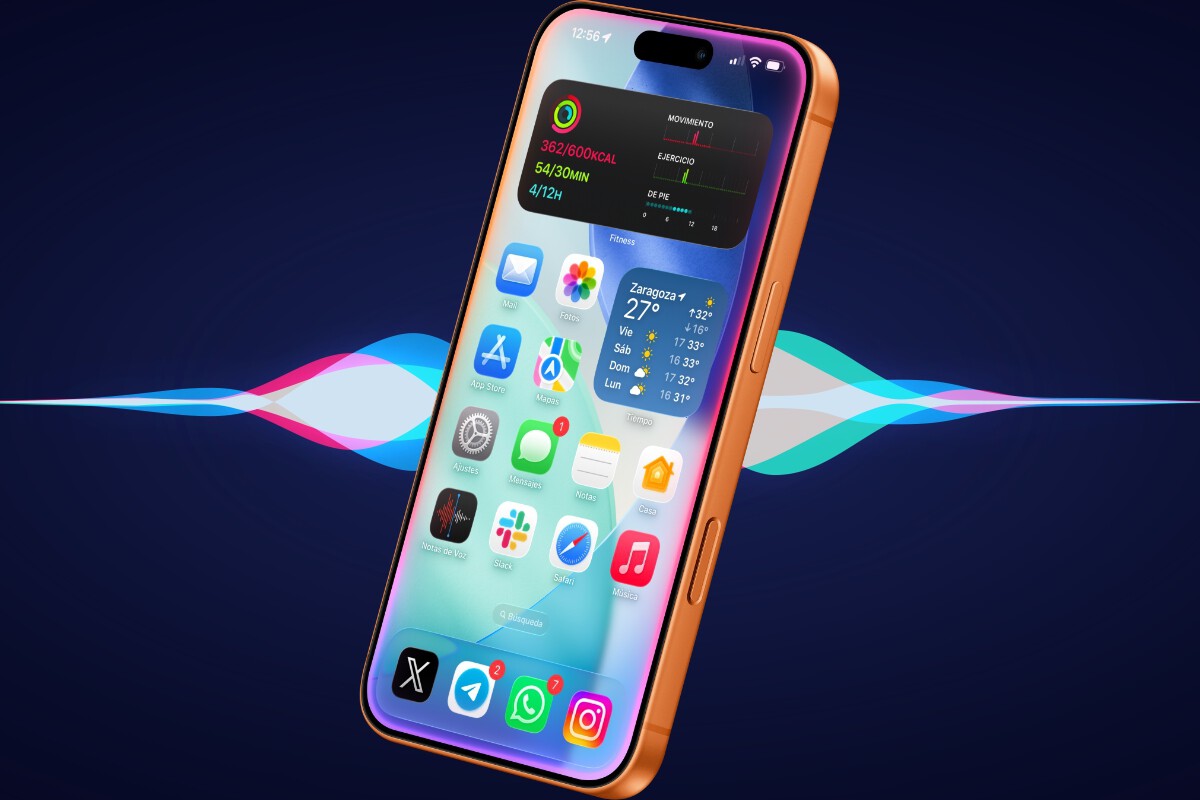
The interface is no longer just the screen.
Cupertino, June 2026. Apple has introduced iOS 27 with a radically upgraded Siri powered by artificial intelligence, positioning the iPhone for one of its most significant usability shifts since the arrival of the App Store. The announcement places Apple’s voice assistant at the center of the user experience after years of criticism that Siri had fallen behind rival AI systems in speed, context and conversational intelligence.
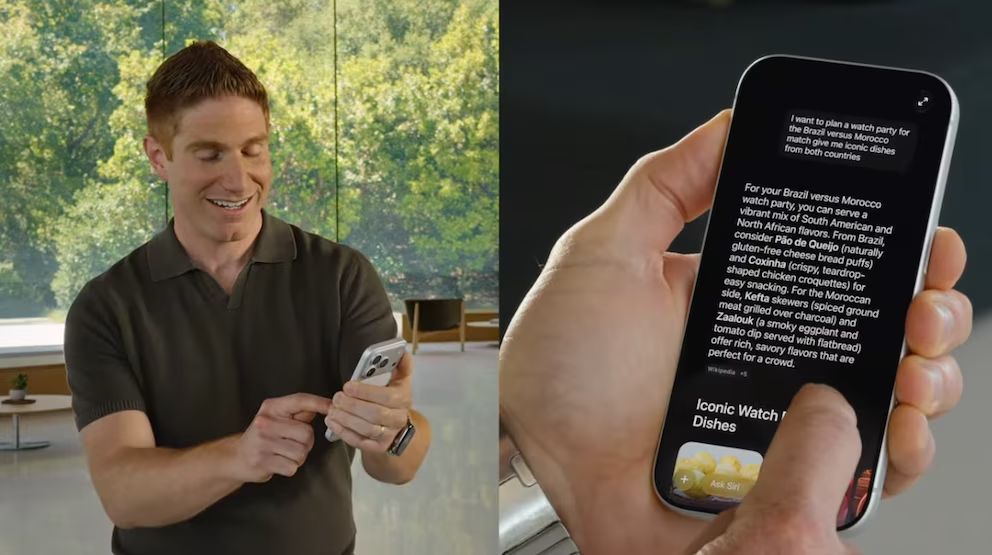
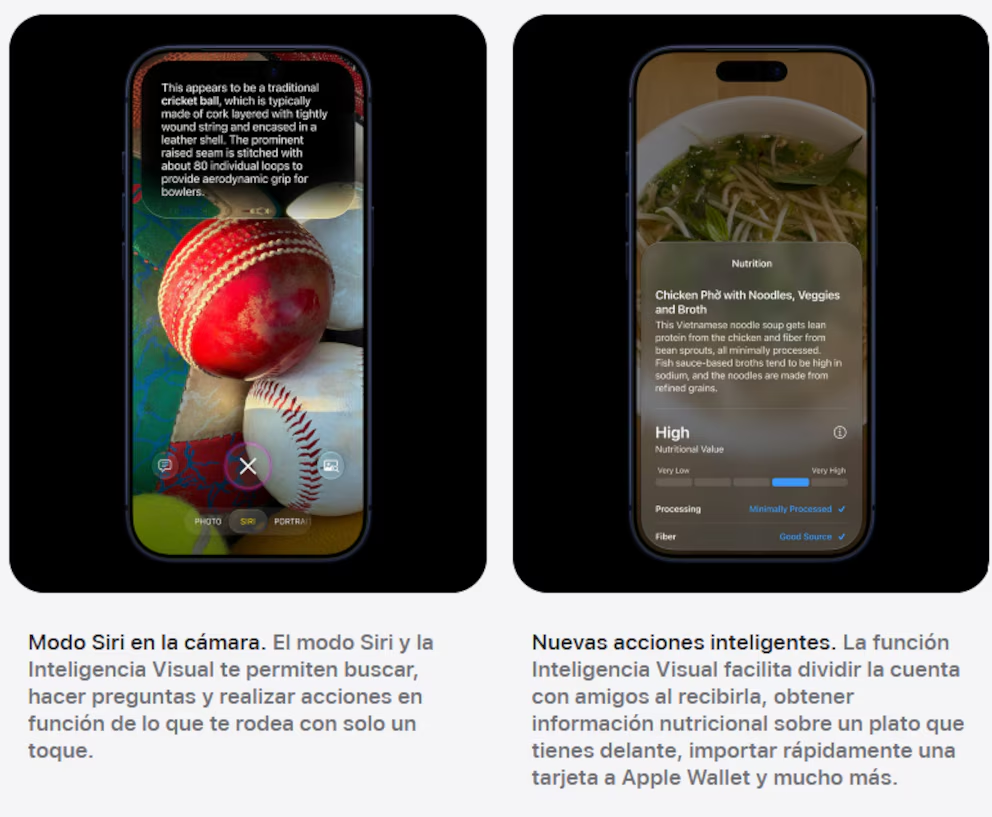
The change is not merely cosmetic. Siri AI is designed to understand on-screen content, respond with greater contextual awareness, retrieve information from previous interactions and act across apps with a level of continuity that previous versions could not deliver. In practical terms, the iPhone is moving from a device controlled primarily through taps and menus toward an environment where the assistant becomes an operational layer between the user, the apps and the information stored across the Apple ecosystem.
That shift matters because Apple has historically won loyalty through interface discipline. The iPhone did not dominate only because of hardware, but because it made complex digital behavior feel simple. If Siri AI works as presented, Apple is attempting to repeat that logic for the artificial intelligence era: hide complexity, reduce friction and turn commands, searches, messages and personal organization into a more natural conversation with the device.
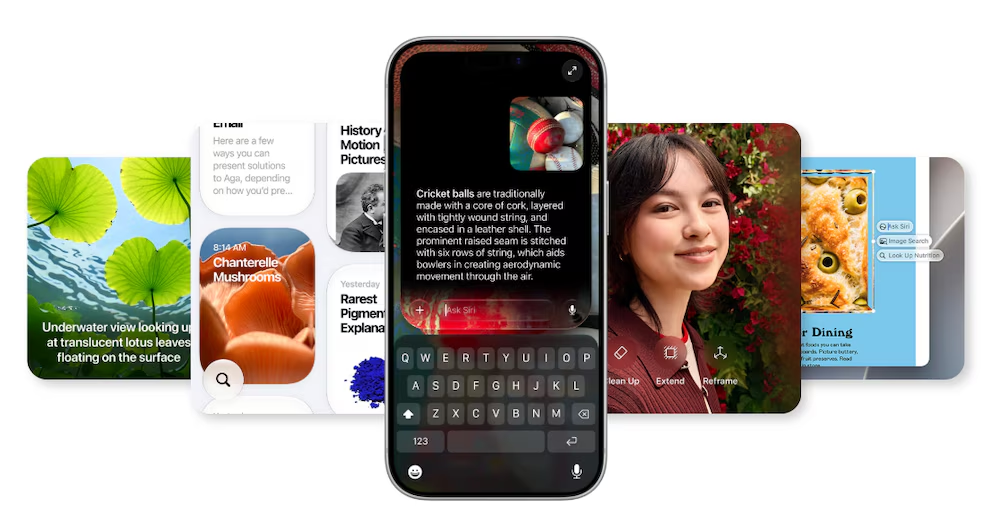
The stakes are high. Apple has spent the last several years under pressure from companies that moved faster in generative AI, forcing questions about whether the iPhone could remain the dominant personal technology platform if its intelligence layer stayed weak. With iOS 27, the company is signaling that it does not intend to compete through spectacle alone, but through integration. Its advantage is not having the loudest chatbot, but owning the hardware, operating system, services and privacy architecture surrounding the user.
Privacy remains central to the strategy. Apple is presenting the new Siri as an assistant capable of deeper personalization without fully abandoning its long-standing promise of data protection. That balance will define user trust. A more powerful assistant requires access to more personal context, but the company must convince users that intelligence does not automatically mean exposure. In the AI economy, convenience and surveillance can easily blur.
The update also reflects a broader redesign of daily digital behavior. As artificial intelligence becomes embedded into operating systems, the traditional app-centered model may begin to lose dominance. Users may increasingly ask for outcomes rather than open individual apps, search manually or manage workflows step by step. For developers, advertisers and digital platforms, that could alter how attention is captured and how services compete inside the iPhone.
Still, Apple faces execution risk. A powerful Siri that fails in everyday use would deepen skepticism rather than erase it. The company must deliver reliability, speed and useful action in real conditions, not only in controlled demonstrations. Users have heard promises about smarter assistants before. What makes iOS 27 important is that Apple is now placing Siri in a role where failure would no longer be a minor inconvenience, but a weakness at the heart of the iPhone experience.
The iPhone is not simply receiving another software update. It is entering a new interface era in which artificial intelligence becomes the mediator of daily digital life. If Apple succeeds, Siri may stop being the assistant users occasionally summon and become the system through which they increasingly understand, command and personalize the device itself.
Information that anticipates futures. / Información que anticipa futuros.