

 Phoenix 24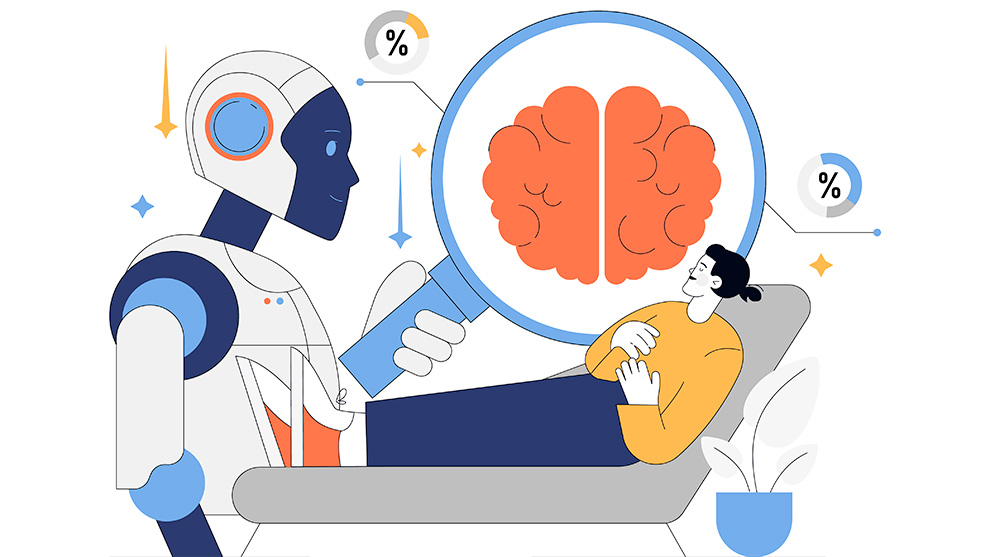
Constant availability is replacing clinical trust.
Silicon Valley | June 2026. Millions of teenagers and young adults are turning to artificial intelligence chatbots for emotional support, using tools such as ChatGPT, Meta AI and Character.AI to discuss anxiety, loneliness, sadness, family conflict and mental health concerns. The trend reflects a generational shift in how young people seek help: less through formal appointments, more through immediate, private and always-available digital conversation.
Recent U.S. studies suggest that roughly one in eight adolescents and young adults has asked AI chatbots for mental health advice, with the figure rising to about one in five among those aged 18 to 21. Many users report that these tools feel useful because they are free, fast, nonjudgmental and available at any hour. For young people facing stigma, long waiting lists or high therapy costs, the chatbot becomes a low-friction substitute for human listening.
The appeal is understandable, but the clinical risk is significant. Generative AI can simulate empathy, but it does not understand trauma, suicidal ideation, abuse, psychosis or crisis escalation in the way a trained professional can. A fluent answer is not the same as psychological care, and emotional comfort is not the same as diagnosis, treatment or therapeutic responsibility.

The problem becomes sharper when vulnerable users treat the machine as a confidant rather than a limited tool. In delicate cases involving self-harm, substance use or severe distress, unsafe responses can deepen confusion or delay emergency help. The danger is not that AI talks, but that it may sound certain where it should refer, pause or escalate.
This trend also exposes a deeper failure of health systems. Young people are not replacing psychologists simply because technology is attractive; many are doing so because professional care is expensive, slow, scarce or socially intimidating. AI is filling the vacuum left by institutions that have not made mental health support accessible enough.
For families, schools and policymakers, the lesson is not to demonize technology but to define its limits. AI may help users organize thoughts, reduce immediate loneliness or encourage them to seek professional care. It should not become a substitute for licensed mental health treatment, crisis intervention or clinical evaluation.
The future of youth mental health will likely include artificial intelligence, but the ethical question is under what safeguards. A society that allows vulnerable adolescents to depend on unaccountable systems for emotional survival is not innovating care. It is outsourcing abandonment.
Human support cannot be reduced to constant availability. The most important form of care is not merely the reply that arrives fastest, but the one capable of understanding risk, context, silence and pain.
La narrativa también es poder. / Narrative is power too.