

 Phoenix 24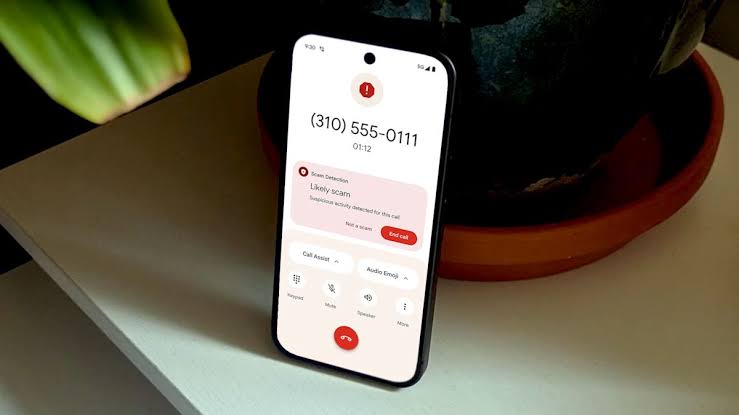
The setting reduces unwanted interruptions, but it cannot identify every fraudulent number.
MOUNTAIN VIEW, CALIFORNIA
Android users with the Phone by Google application can activate a built-in feature that identifies and automatically filters suspected spam calls. The tool reduces exposure to telemarketing, impersonation attempts and telephone fraud without requiring an additional application.
The setting can be reviewed by opening the Phone app and selecting More options, Settings, and then Caller ID and spam. Activating See caller ID and spam allows the device to display information about unfamiliar callers. Enabling Filter spam calls goes further by preventing numbers identified as spam from ringing the phone.

Filtered calls do not generate conventional missed-call or voicemail notifications. They remain visible in the call history, however, and users can still examine their voicemail if they suspect a legitimate communication was incorrectly classified. On devices equipped with automatic Call Screen, spam blocking may appear within that feature instead of as a separate filtering option.
Google explains that the service may send telephone numbers outside the user’s contact list to its systems to determine whether they belong to a recognized business or have been associated with spam. Numbers saved in the contact list are checked locally and are not transmitted as part of that identification process. Availability and menu names can vary according to the Android version, manufacturer, country and installed calling application.
The filter cannot eliminate every unwanted call. Criminals frequently change numbers, imitate legitimate caller identification or use recently activated lines that have not yet accumulated spam reports. Legitimate businesses can also be incorrectly flagged. Users should therefore review the call history periodically and mark classification errors as Not spam when necessary.
Technical filtering should complement basic security practices. A caller displaying a familiar name or institution may still be fraudulent. Passwords, verification codes, banking credentials and payment information should never be disclosed during an unsolicited call. When uncertainty exists, users should end the conversation and contact the organization through a verified official channel.
Technology can reduce exposure, but judgment remains the final defense.