

 Phoenix 24
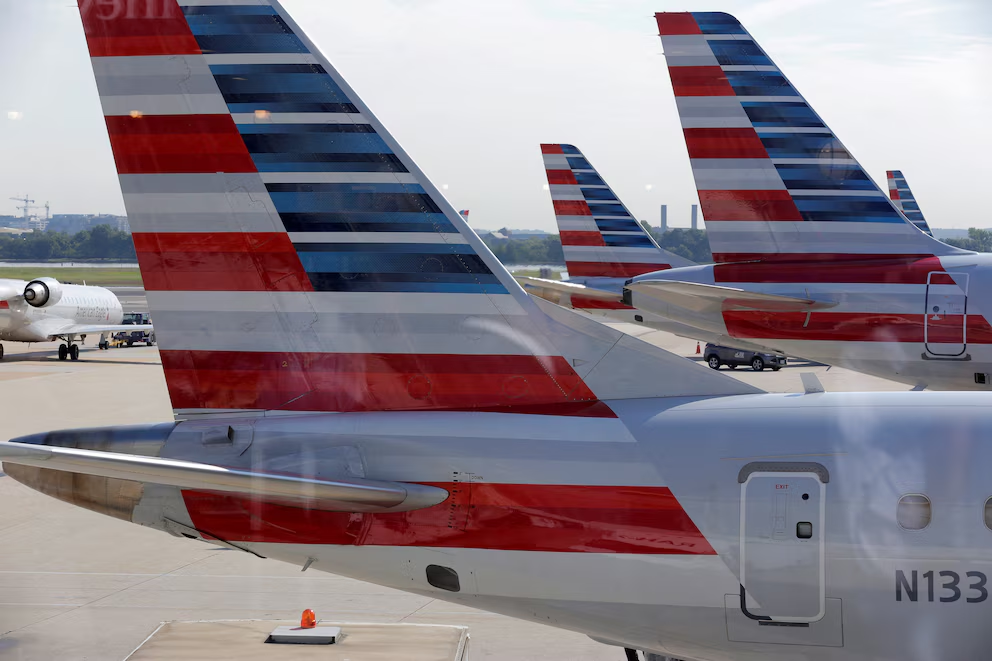
A route restart can look bigger than it is.
Miami, March 2026
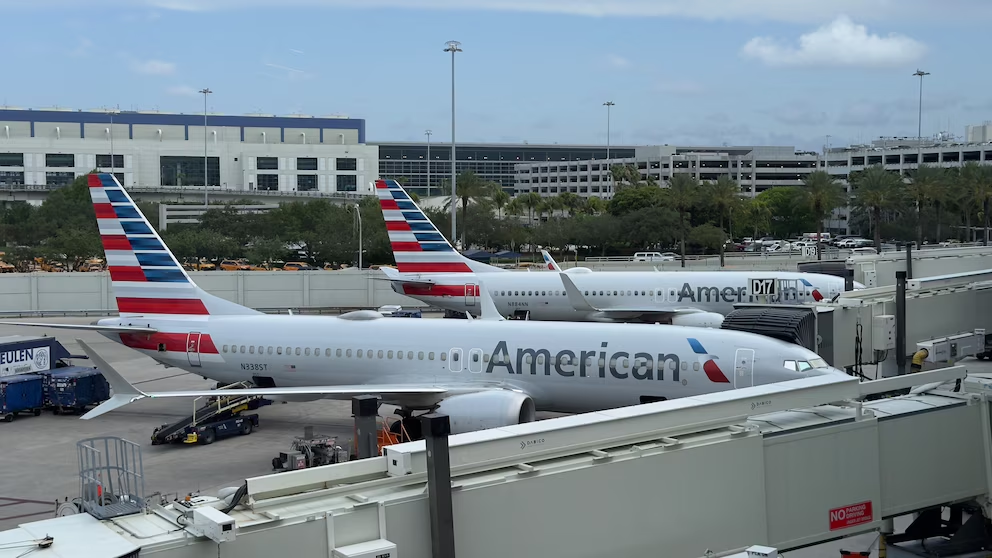
U.S. authorization for American Airlines to resume direct flights between Miami and Venezuela after years of suspension is more than a commercial aviation update. It is a political and operational signal that a limited reopening is now being tested under strict security and regulatory conditions. Recent reporting indicates the approval allows American to move forward with plans to reconnect Miami with Caracas and Maracaibo, a step that follows months of shifting restrictions, security reviews, and bilateral recalibration. The headline is significant because American becomes a leading U.S. carrier in the return effort, but the deeper meaning lies in the conditional nature of that return. This is not a simple restoration of pre-2019 normality. It is a controlled re-entry into a market still shaped by risk.

The route matters because Miami-Venezuela air connectivity has long been more than a tourism corridor. It is a lifeline for family reunification, business travel, medical mobility, and diaspora logistics. For years, the suspension of direct flights forced travelers into longer and more expensive itineraries through third countries, adding cost, uncertainty, and delay to already fragile movement patterns. A direct service restart can reduce those frictions quickly, especially for passengers with urgent personal or commercial needs. That is why the announcement carries emotional and economic weight beyond airline scheduling. It affects how mobility itself is restructured between two countries with deep human and financial ties.
At the same time, the approval should be read as the product of layered institutional processes, not only political will. Reporting around the decision points to U.S. security reviews, including assessments linked to airport procedures in Venezuela, as a necessary condition before flights could resume. That detail is crucial because it shows regulators are treating the reopening as an aviation safety and compliance issue as much as a diplomatic one. In practical terms, route approval does not erase concerns. It formalizes a framework under which those concerns are managed, monitored, and periodically reassessed. The flight may return, but the risk architecture remains active.
For American Airlines, the move is strategically important in network terms. Miami is one of the carrier’s strongest hubs for Latin America and the Caribbean, and restoring service to Venezuela helps rebuild a corridor with high historical demand and symbolic relevance. It also allows the airline to reassert position in a market where competition, timing, and regulatory access can shape long-term advantage. But airlines do not re-enter these routes on sentiment alone. They do so when regulatory permission, security conditions, operational feasibility, and demand forecasts align enough to justify the exposure. That alignment appears to be taking shape now, though likely with tighter controls and closer scrutiny than in prior years.
The reopening also reveals a broader pattern in post-crisis aviation governance. When routes are restored after long suspensions tied to security or geopolitical instability, the first phase is often selective and cautious, not expansive. Airlines and regulators test procedures, monitor operational reliability, and evaluate passenger behavior before scaling further. This means public expectations can rise faster than actual capacity. A headline about resumed direct flights may create the impression of immediate normalization, while the real process unfolds incrementally through limited frequencies, procedural safeguards, and ongoing review. In aviation, reopening is often a sequence, not an event.
There is a market-side implication as well. The return of direct flights can begin to pressure pricing on indirect routes that benefited from years of forced detours, but it may also introduce new volatility if demand surges faster than available seats. Travelers often interpret route restoration as instant abundance, when in fact early phases may be capacity constrained and operationally conservative. If demand spikes, fares may remain elevated despite the symbolic reopening. This is especially likely on routes with strong diaspora demand and accumulated travel needs. In other words, direct flights improve access, but they do not automatically deliver affordability or schedule flexibility at once.
For Washington and Caracas, the decision also has diplomatic signaling value even if it is presented as a transport matter. Civil aviation links are among the most visible indicators of practical bilateral thaw because they affect ordinary people directly and can be measured in routes, frequencies, and passenger flow. Yet this signal should not be overstated. A route authorization can coexist with broader political distrust, legal pressure, and unresolved strategic disputes. The restoration of flights indicates transactional progress, not comprehensive normalization. That distinction is essential for reading the move accurately.
What changes on the wider board is the perception of how quickly institutional systems can reopen after years of disruption when mobility becomes strategically useful again. American Airlines’ return to direct Miami-Venezuela service shows that aviation corridors often reopen before political narratives fully stabilize, provided regulators can build a workable security framework. The route is therefore more than a commercial restart. It is a test of whether controlled connectivity can hold inside a still-volatile geopolitical environment.
Phoenix24: journalism without borders. / Phoenix24: journalism without borders.