

 Phoenix 24

Corporate downsizing signals deeper shifts in organizational strategy and workforce dynamics.
Seattle, January 2026. Amazon is preparing for a substantial new round of corporate job cuts that could begin as early as next week and form part of a broader plan to reduce approximately 30,000 white-collar positions, according to multiple reports. The anticipated layoffs would follow an earlier reduction of around 14,000 corporate employees in October 2025 and, if fully realized, represent one of the largest corporate headcount adjustments in the company’s roughly 30-year history.
These cuts are expected to affect various divisions across the business, including cloud computing, retail operations, entertainment streaming and human resources, though precise figures and the division-by-division breakdown remain fluid as internal planning continues. Amazon CEO Andy Jassy has publicly stated that the workforce restructuring is driven less by short-term financial pressures or direct automation effects and more by a desire to streamline organizational layers and reduce bureaucratic complexity that has accumulated over years of rapid growth.

In this context, leaders contend that a leaner corporate structure could accelerate decision-making and align roles more closely with strategic priorities in a highly competitive technology sector. However, the human impact of such reductions is significant, especially for those in roles targeted in this next phase of cuts, who will navigate job transitions in an acute labor market.
The broader backdrop to Amazon’s decision involves significant structural shifts within the global technology industry, where several major firms have pursued workforce optimization in response to changing market conditions, evolving consumer behavior and innovations in artificial intelligence and automation tools. Industry observers note that while automation frameworks and machine learning platforms are facilitating new efficiencies, the narrative from Amazon’s executive suite has emphasized cultural and operational refinement rather than purely technological displacement as the rationale for layoffs. Even so, the earlier round of cuts last year was initially linked by company communications to the impacts of AI on routine task automation and software development workflows, highlighting how emerging technologies are reshaping expectations for staffing in certain corporate functions.
Analysts from North American and European research institutions also frame this move as part of a wider trend in which large technology platforms balance investments in new capabilities with a recalibration of legacy roles that may overlap with automated systems. These dynamics are not unique to Amazon; other firms in the sector have similarly grappled with aligning workforce composition with strategic imperatives in an era where digital transformation is both an opportunity and a disruptive force. Against this backdrop, Amazon’s strategy illustrates the tension between growth, efficiency and adaptability in a landscape of rapid innovation and competitive pressure.
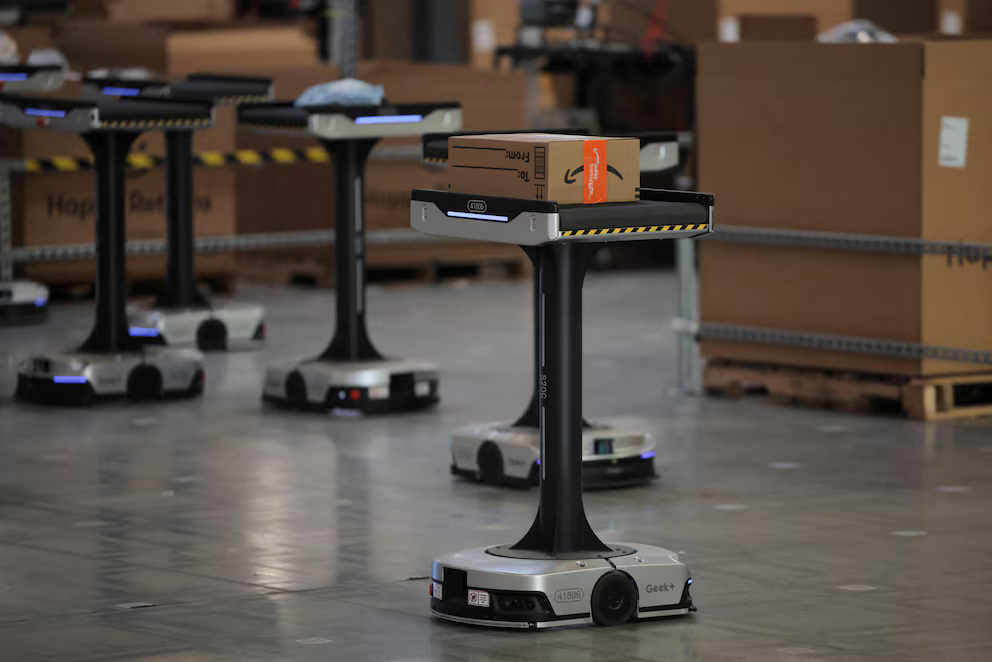
Within the corporate ecosystem at Amazon, the impact of these layoffs will be felt unevenly across business units that have experienced divergent trajectories over recent years. For example, divisions such as Amazon Web Services have maintained robust revenue growth and remain central to the company’s profitability, while other segments, including media streaming and international retail, face different competitive dynamics and cost structures. Observers in Asia’s technology markets emphasize that achieving balance across such varied lines of business requires not only workforce adjustments but also clear strategic vision about long-term investment priorities and competitive differentiation.
At the same time, labor advocates and workforce analysts caution that large-scale layoffs, even in corporate tiers, can have ripple effects on local economies and professional networks that extend beyond the immediate employer-employee relationship. Regions with concentrated technology employment clusters may see broader impacts on service industries and support ecosystems when significant numbers of professionals exit roles simultaneously. In this respect, Amazon’s decisions reflect not just an internal recalibration but a shift with potential implications for labor markets where corporate tech roles once seemed comparatively insulated from cyclical workforce fluctuations.
From a governance perspective, the planned layoffs underscore the challenges large multinational enterprises face in balancing stakeholder expectations, shareholder pressures and operational agility. Amazon has grown over decades from an online bookseller to a global platform with multifaceted operations spanning e-commerce, cloud computing, entertainment, logistics and emerging technology domains. In recent years, discussions about the role of artificial intelligence and other advanced technologies in reshaping corporate structures have intensified, prompting boards and executive teams to reassess long-term human capital strategies.

These conversations often involve trade-offs between short-term workforce reductions and sustained investment in innovation domains that may require different skill sets or role profiles. Company leaders have articulated a narrative in which optimizing the corporate workforce is part of positioning Amazon for resilience in the face of evolving competitive landscapes and macroeconomic uncertainties. Yet the timing and scale of these layoffs also invite scrutiny about how organizations can responsibly manage transitions for affected employees, including retraining opportunities or support for redeployment where feasible. Such considerations are becoming central to broader labor policy debates in technology-driven economies around the world.
In the context of global employment trends, Amazon’s restructuring can also be seen as part of a pattern in which large enterprises increasingly integrate technological productivity gains with organizational redesign. However, this trend raises questions about how companies interpret “efficiency” and what it means for workers whose roles are redefined or eliminated. Academic and industry research from multiple regions suggests that while automation and process improvements can create new opportunities, they also disrupt traditional career pathways and require substantial adaptation from professionals.
For many employees, navigating such shifts involves not only technical skill enhancement but also engagement with evolving norms around remote work, project-based roles and cross-functional collaboration. As large employers like Amazon update their workforce strategies, other corporations, policymakers and labor organizations will be watching how such transitions unfold and what lessons can be drawn for managing workforce evolution in a sustainable and socially responsible manner.
Amazon’s planned layoffs illustrate the complex interplay between corporate ambition, technological change and labor market realities in the early decades of the 21st century. The magnitude of the adjustments reflects not only internal choices but also external pressures that reverberate across sectors and regions. While the company positions the restructuring as a move toward greater efficiency and strategic focus, the human dimension of these changes will shape narratives about employment, technology and organizational design for years to come.
Phoenix24: clarity in the grey zone.
Phoenix24: clarity in the grey zone.