

 Phoenix 24
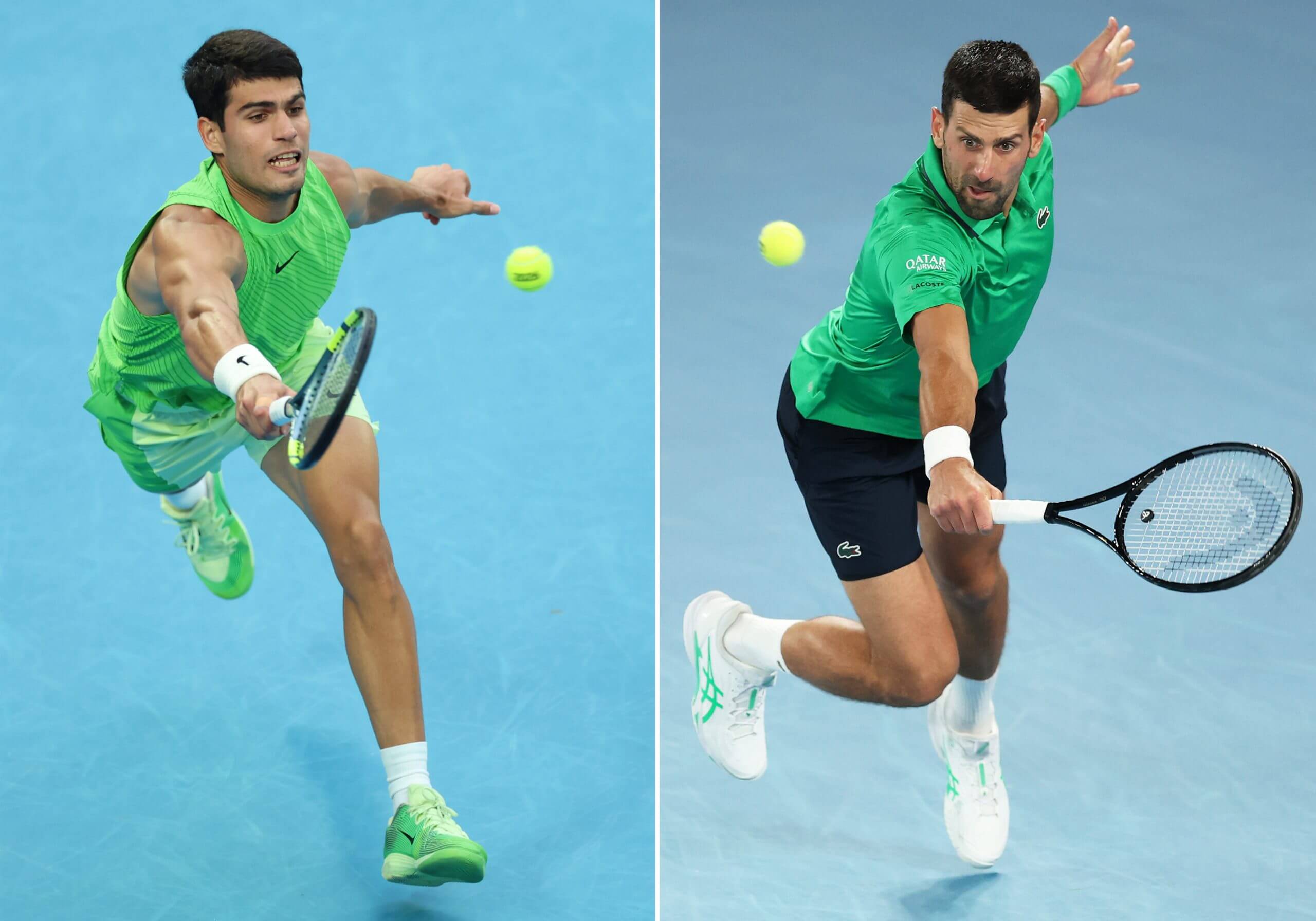
When two of tennis’s brightest stars meet, history, rivalry and drama collide on the sport’s grandest stage.
New York, January 31, 2026. Carlos Alcaraz and Novak Djokovic will face off in a much-anticipated final at the Open after both navigated a grueling draw filled with top-tier competition, setting the stage for a generational showdown that has captivated fans and analysts alike. The matchup unites the fiery athleticism and explosive shot-making of Alcaraz with the unparalleled experience, strategic mastery and unwavering competitiveness of Djokovic, creating a contrast of styles and narratives that epitomise the evolution of elite tennis.
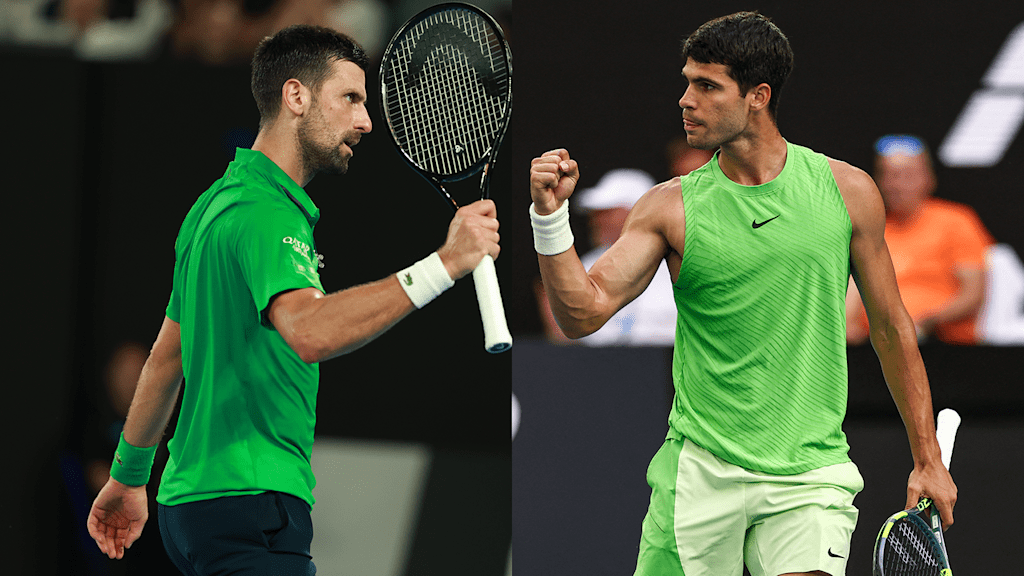
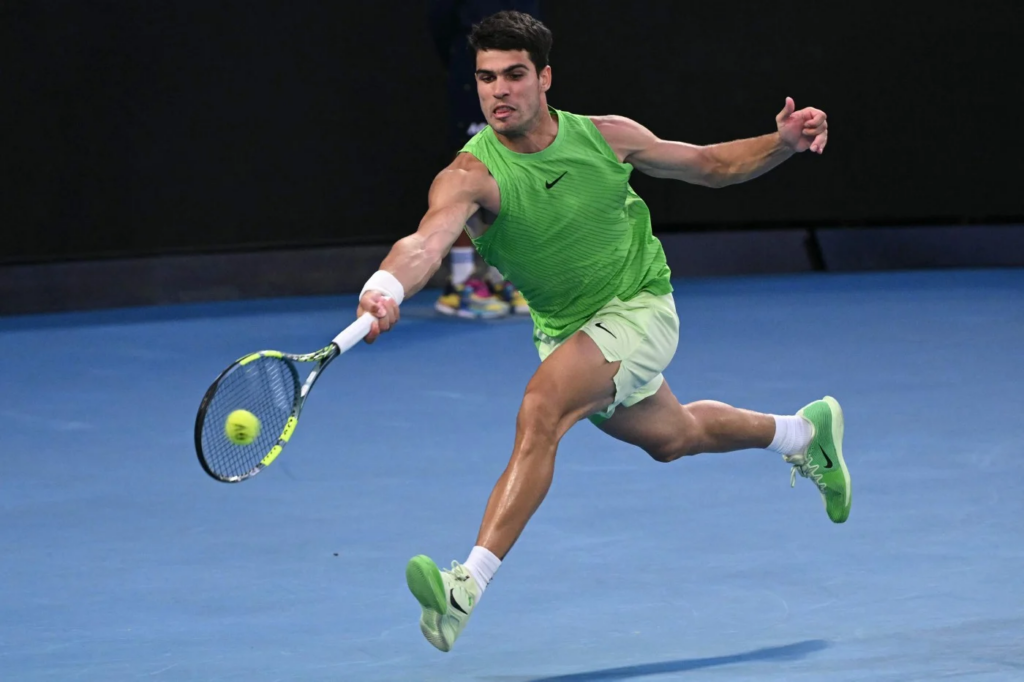
Alcaraz’s journey to the final showcased his dynamic all-court game, blending powerful groundstrokes, blistering acceleration and an aggressive mindset that has become his trademark. The Spanish star has demonstrated an ability to seize momentum early in matches, pushing opponents behind the baseline and forcing errors while maintaining high intensity from the first point to the last. His ascent in recent years has been marked by fearless shot selection and a willingness to take calculated risks in pivotal moments, qualities that have endeared him to a growing global fanbase.
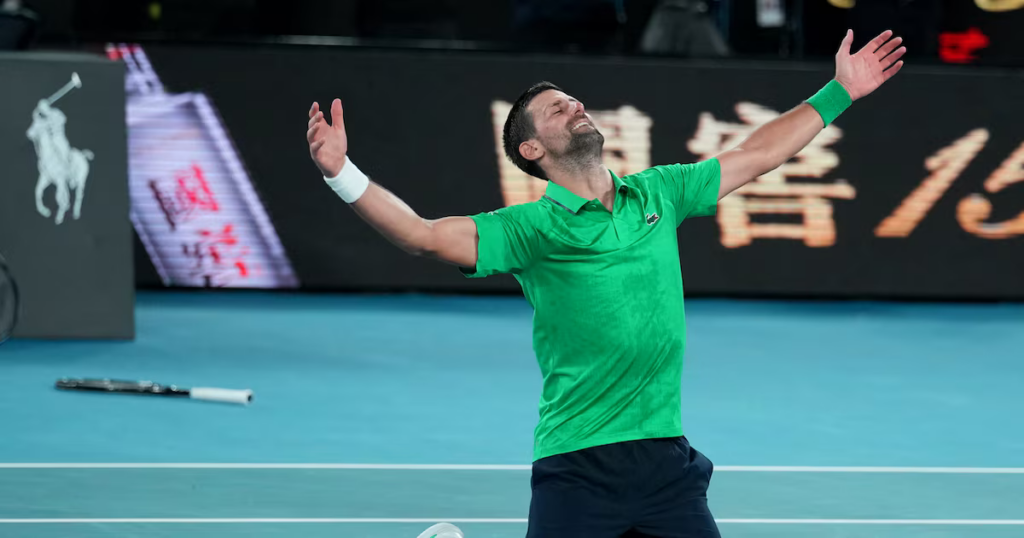
Djokovic, on the other hand, continues to embody the art of consistency and tactical precision. The Serbian veteran’s path to the final was defined by his court coverage, mental resilience and ability to absorb pressure in key situations. Known for his elastic defence and uncanny ability to extend rallies until the perfect opportunity arises, Djokovic has reinvented aspects of his game to stay competitive against a new generation of power players. His longevity at the highest level remains a defining feature of his career and adds depth to the narrative of this final, where experience confronts youthful ambition.
The significance of their meeting extends beyond individual accolades to encompass broader themes in contemporary tennis. Fans and commentators see the final as a symbolic intersection between the sport’s established mastery and its emerging dynamism, contextualising their rivalry within a lineage of great matchups that have shaped tennis history. The contrast between Alcaraz’s explosive athleticism and Djokovic’s refined strategy highlights how diverse skill sets can thrive on the same platform while pushing the boundaries of performance.
Both players have spoken respectfully about one another throughout the tournament, emphasising admiration for each other’s accomplishments and competitive spirit. Their interactions in press conferences and on court reflect a shared understanding of the significance of the moment, acknowledging that finals of this magnitude carry emotional weight and historical resonance. For Alcaraz, a victory would further cement his status among the sport’s elite and signal the continued rise of a new tennis generation. For Djokovic, it represents another opportunity to add to a record that already ranks among the most impressive in the game’s history.
The final also carries implications for rankings, legacy discussions and the broader competitive landscape. A win for either player could shift perceptions about the balance of power in men’s tennis, influencing future seedings, narratives and rivalries. Enthusiasts and analysts alike are preparing for a match that promises high-quality rallies, strategic nuance and moments of intensity that define championship tennis.
As anticipation builds and the global audience awaits the final, the significance of this matchup resonates across sports communities. The combination of history, athletic excellence and personal journeys converging on one court underscores why tennis continues to captivate and inspire.
Behind every major final there is a confluence of preparation, resilience and competitive spirit that defines how champions are made and remembered.