

 Phoenix 24
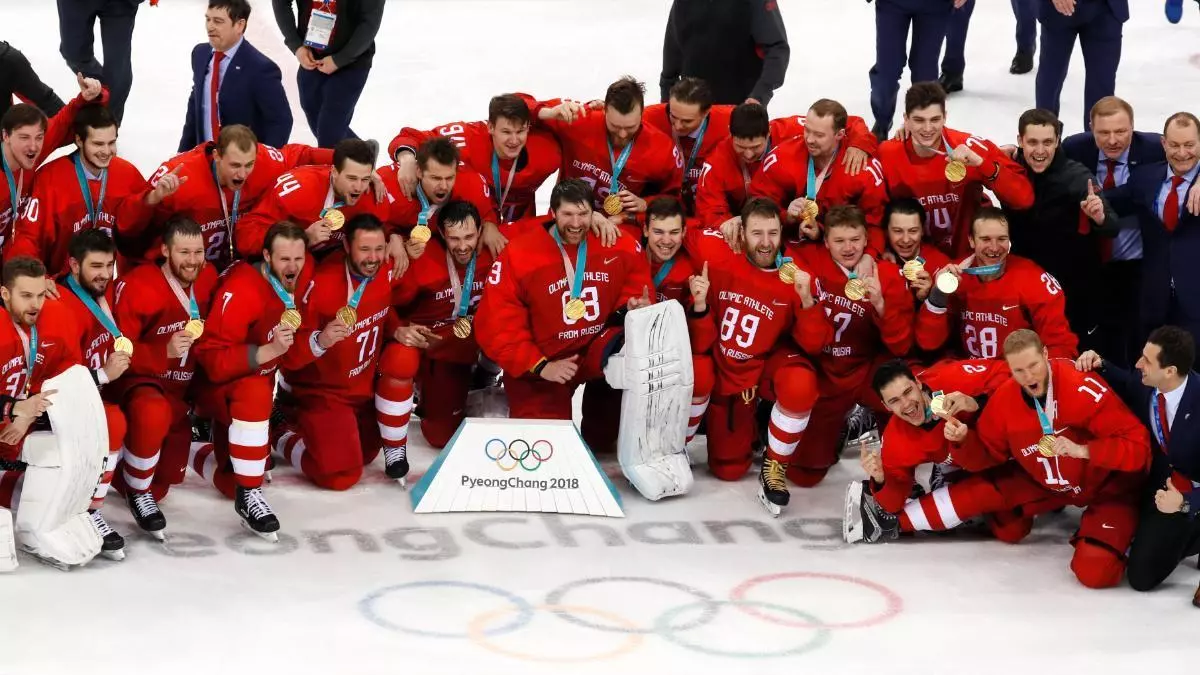
One court ruling threatens to divide international hockey.
LAUSANNE, SWITZERLAND
Russia’s proposed return to international ice hockey has triggered widespread opposition from national federations, tournament organizers and major commercial sponsors following a ruling by the Court of Arbitration for Sport (CAS). The decision, which challenges Russia’s exclusion from international competitions since its 2022 invasion of Ukraine, has created a dispute involving sporting regulations, geopolitical tensions and the future organization of world championships.
On October 30, CAS upheld an appeal by the Russian Ice Hockey Federation against the International Ice Hockey Federation (IIHF), finding that the governing body had not presented sufficient evidence to legally justify maintaining its exclusion of Russian national teams for the 2026–2027 season.
The ruling covers several international tournaments, beginning with the World Junior Championship scheduled in Canada from December 26 to January 5, followed by the men’s World Championship in Germany in May 2027 and other competitions.
However, the decision has encountered resistance from some of ice hockey’s most prominent nations. Finland, Sweden, Norway, Denmark, Latvia and the Czech Republic have announced that their national teams will refuse to compete against Russia while the war in Ukraine continues.
Canada has also rejected the prospect of Russian participation in its upcoming junior championship. Prime Minister Mark Carney expressed opposition to the ruling, while Canadian authorities indicated that Russian and Belarusian teams would not be permitted to participate in the tournament.
Germany faces a particularly complicated situation as host of the 2027 men’s World Championship. Its national federation has warned that Russia’s reinstatement creates security, political and financial challenges, raising questions about whether existing tournament arrangements can accommodate the additional team.
Ukraine’s qualification for the same championship adds further sensitivity. The country’s return to the elite international competition after two decades could potentially place Ukrainian and Russian teams within the same tournament, although their participation and scheduling remain unresolved.
Commercial sponsors have entered the controversy. Czech automotive manufacturer Škoda Auto, a longstanding principal sponsor of the World Championship, has indicated that it will reconsider its involvement if Russia participates. Other companies, including Strauss and AJ Products, have also expressed opposition.
The IIHF has acknowledged the difficulties created by the arbitration ruling, emphasizing unresolved questions concerning visas, security arrangements, tournament formats and operational responsibilities.
CAS, meanwhile, defended the legal basis of its judgment on November 5, explaining that its decisions depend on the evidence and arguments presented by the parties. The tribunal emphasized that it cannot independently impose organizational measures that were not requested or substantiated during proceedings.
For Russia, the ruling represents a significant legal development in its efforts to regain access to international sport. For opposing federations, participation remains inseparable from the continuing war in Ukraine and the responsibilities of international sporting organizations.
The controversy ultimately exposes a fundamental challenge for global sports governance: how to reconcile legal eligibility, institutional independence, athlete participation and security concerns when international conflicts extend into competitive arenas.
The immediate future of Russia’s participation remains uncertain, despite its successful appeal. What happens next will test whether international ice hockey can implement a binding arbitration decision without undermining cooperation among its member federations.
Beyond the Headlines, Accountability Matters.