

 Phoenix 24

A major overhaul in officiating aims to modernise match control and elevate referee accountability ahead of World Cup 2026.
Rio de Janeiro, January 31, 2026. Brazil’s football authorities have confirmed plans to adopt the Video Assistant Referee (VAR) technology that FIFA will use at the 2026 World Cup, alongside a new system of referee relegation designed to enhance performance standards and accountability across domestic competitions. The dual move is being presented as a strategic effort to align the national league with global officiating standards while incentivising consistent and accurate decision-making in a sport where technology and competitiveness are increasingly intertwined.
The decision to implement the updated VAR platform comes in response to widespread discussions about the role of technology in modern football. VAR has been a source of debate since its introduction, praised for reducing clear officiating errors but also criticised at times for disrupting play flow or creating contentious moments in high-pressure matches. By adopting the exact system selected for the 2026 World Cup, Brazilian competitions seek uniformity with the highest level of international play, ensuring that referees, players and clubs operate with the same technological frameworks used on football’s biggest stage.
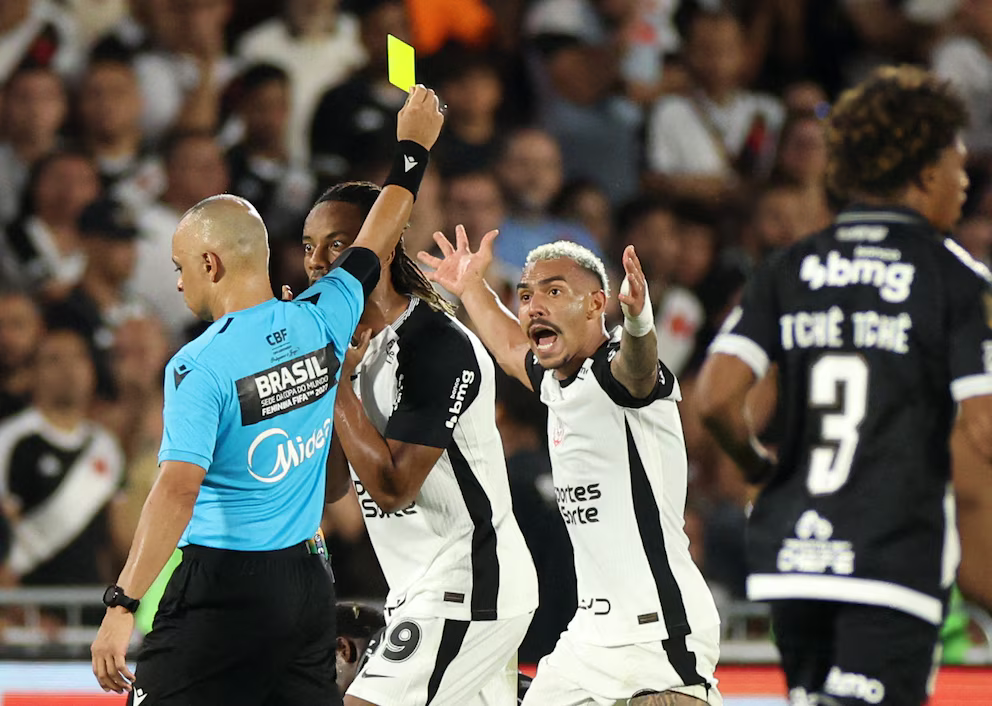
In parallel, the Brazilian Football Confederation has unveiled a new referee management policy that introduces a relegation mechanism for officials whose performance consistently falls below established benchmarks. Under this system, referees will be evaluated on accuracy, positioning, decision consistency and match control, with underperformers moved to lower-profile assignments or developmental panels. The aim is to foster a culture of continual improvement, with training and evaluation tied to measurable outcomes rather than subjective assessments.
Officials involved in designing the new framework emphasise that accountability is essential in a league with passionate fanbases and high competitive stakes. Brazil’s Serie A and other domestic tournaments have often been marked by heated reactions to controversial calls, and governing bodies believe a structured evaluation and relegation system can reduce inconsistency and build trust among clubs and supporters. Referees themselves will have access to feedback reports and targeted training resources aimed at addressing areas of weakness identified through performance reviews.
The introduction of FIFA-aligned VAR technology is expected to enhance transparency as well. The system will incorporate standardised review protocols and communication channels between on-field officials and video referees, aiming to streamline decision processes and improve the clarity of critical calls, including offsides, fouls and penalties. Stakeholders hope that familiarity with the system at domestic levels will smooth the transition for players and officials representing Brazil in international tournaments.
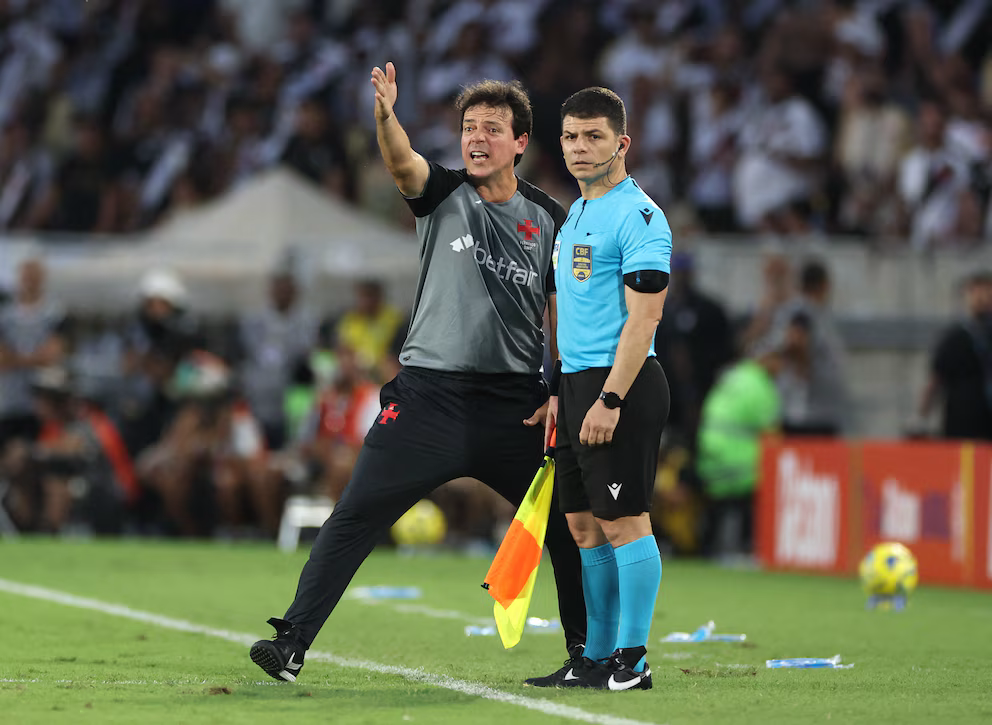
Critics of the relegation policy caution that increased pressure on officials may heighten stress and potentially discourage talented referees from pursuing or continuing careers at the top level. They argue that performance fluctuations are a normal aspect of human officiating and that punitive measures should be balanced with robust support, mentorship and career development opportunities. Proponents counter that structured accountability is common in many professional fields and that clear performance standards are vital for maintaining the integrity of competition.
The broader context of these reforms reflects a global trend towards integrating technology and data-driven evaluation in football governance. With VAR becoming a fixture in major leagues worldwide and officiating analytics gaining sophistication, football associations are rethinking how to manage human resources and technological tools in ways that strengthen fairness, accuracy and fan engagement. Brazil’s move thus positions it within an international dialogue about the future of officiating in a sport where split-second decisions can determine outcomes, titles and careers.
For players and coaches, adapting to the updated VAR protocols and referee evaluation criteria will require adjustments in preparation, communication with officials and tactical planning. Teams may refine their approaches to set pieces, challenge procedures and in-game interactions, recognising that technology-enabled oversight and structured performance evaluation are now integral parts of the competitive environment.
As the 2026 World Cup approaches and domestic seasons unfold, the impact of these governance changes will be closely observed by fans, commentators and the global football community. The balance between technology, human judgment and accountability mechanisms promises to shape not only how matches are officiated but how the sport evolves in a new era.
Behind every reform in sport there is a negotiation between tradition, innovation and the pursuit of fairness that defines how the game meets the expectations of its athletes and audiences.