

 Phoenix 24

Convenience becomes risk the moment vigilance drops.
Madrid, March 2026
Air travel now depends so heavily on the smartphone that many passengers no longer see it as a device but as a boarding pass, map, wallet and control panel at once. That dependence becomes most fragile inside the airport, where public WiFi feels convenient precisely when travelers are distracted, rushed and overloaded. The real danger is not the network alone. It is the combination of open connections, low attention and sensitive actions performed in transit.
The central mistake is treating airport WiFi as harmless simply because it is public and easy to access. Open networks can expose personal data, login credentials and even travel details when users connect without verifying the network or protecting the session. Once that happens, tasks that seem routine, such as checking email or accessing an airline app, can create unnecessary exposure. A moment of convenience can quietly become a security vulnerability.

That risk grows when passengers use public WiFi for digital check in or other actions that require personal information. Names, identification details, booking data and account access all become more sensitive when entered through an unprotected connection. The problem is not just technical interception. It is the fact that travel itself already concentrates valuable information in one place, making the phone a richer target than usual.
Another weak point lies in the false sense of safety produced by familiar airport settings. People tend to assume that a major terminal offers trustworthy infrastructure simply because it is formal, crowded and institutional. Yet cyber risk does not disappear inside an organized space. In many cases, it benefits from exactly that environment, where users are more willing to trust a signal, click a prompt or rush through a login without checking what stands behind it.
The threat is not limited to data interception. Public networks can also become channels for malicious software, deceptive update prompts or file sharing exposure when devices are poorly configured. A phone connected carelessly does not just leak information. It can become compromised in ways the user notices only later, after the trip has already moved on. That delay makes the damage harder to detect and easier to underestimate.
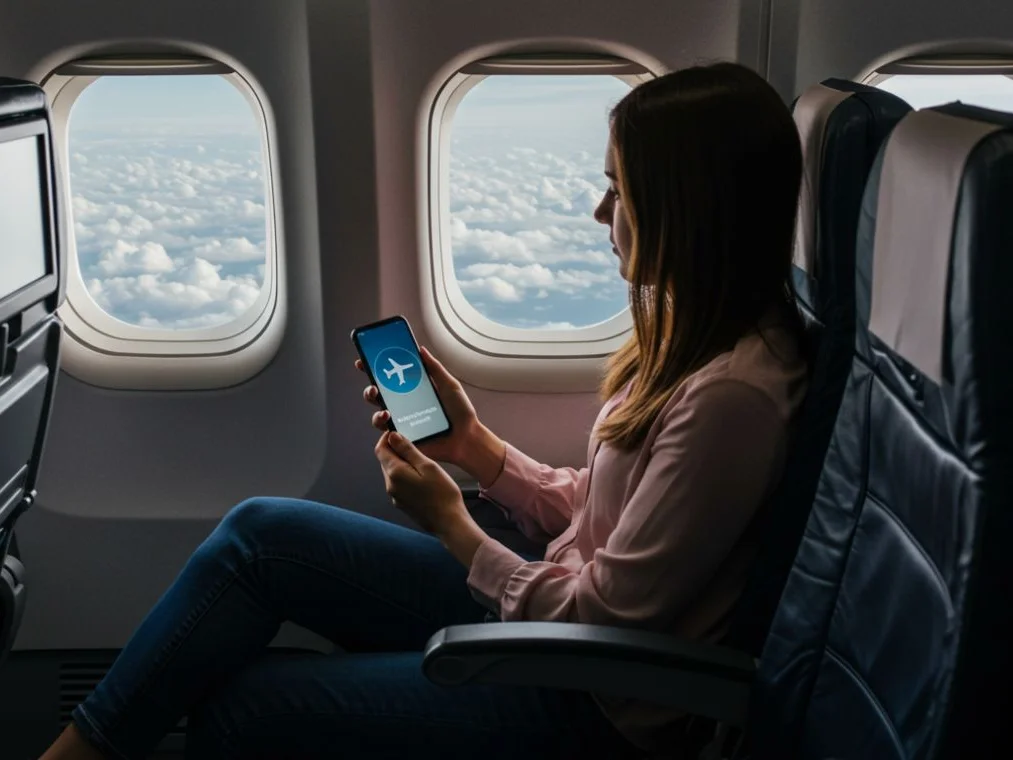
Battery habits create a second layer of error. Constantly searching for open networks drains power faster, and desperation over a low battery can push travelers toward unknown USB ports or crowded public charging stations. At that point, convenience once again invites risk. A phone that is central to the journey becomes more exposed precisely when the traveler feels least able to refuse an easy solution.
What this story really reveals is a broader truth about digital travel culture. The airport is no longer just a transport space. It is also a concentrated zone of data exposure, where routine actions can produce outsized vulnerability. The smartest travel habit, then, is not only to stay connected, but to stay selective. In a hyperconnected journey, caution is no longer a luxury of experts. It is basic travel literacy.
Phoenix24: journalism without borders. / Phoenix24: periodismo sin fronteras.