

 Phoenix 24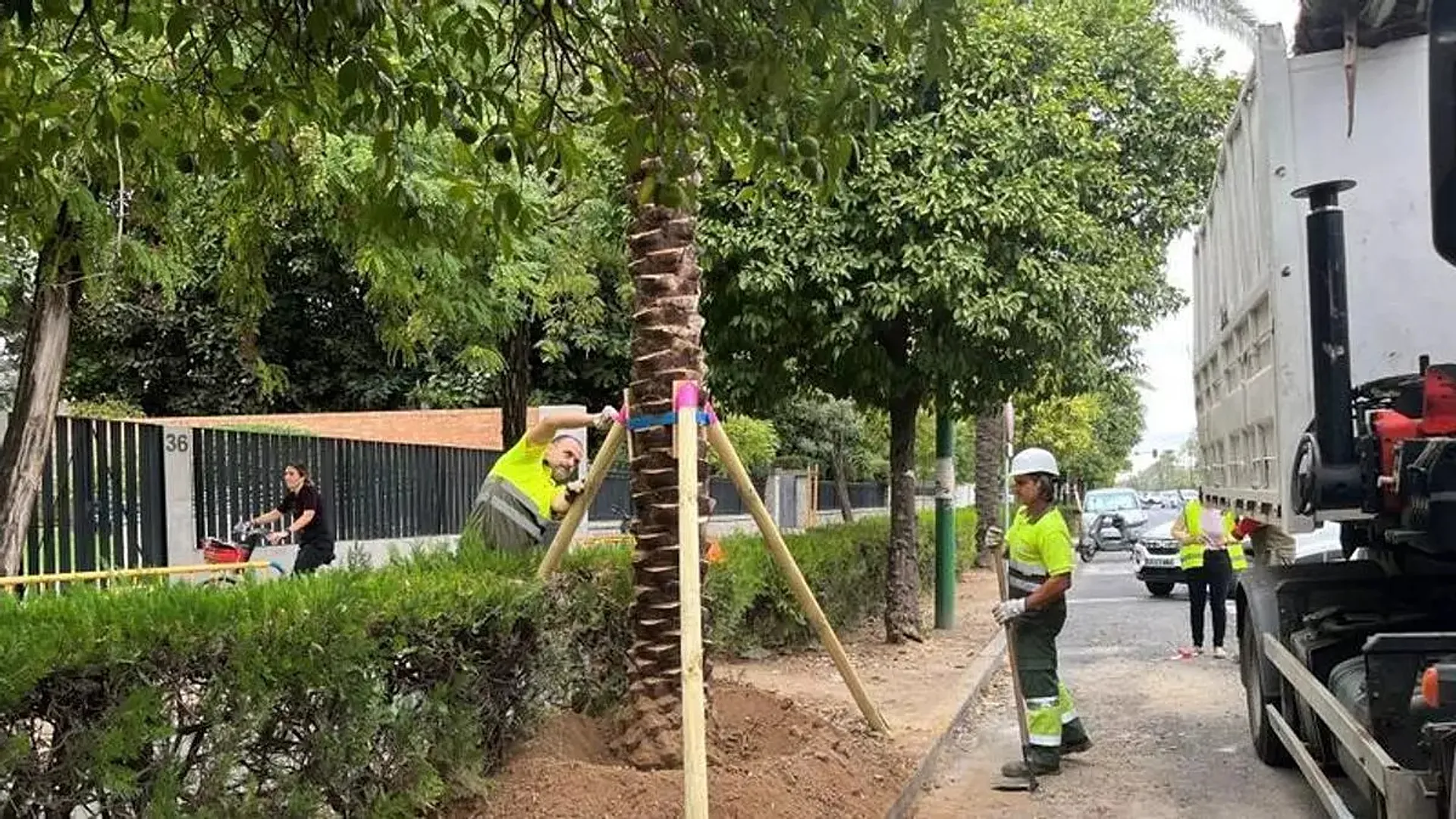
Urban vegetation becomes the latest target of organized extraction
SEVILLE | JUNE 2026
Seville has begun installing tracking devices in ornamental palm trees after the disappearance of around ten specimens from public spaces, turning an unusual series of thefts into a test of how cities protect their green infrastructure.
Municipal authorities placed the devices in Cuban palms along Avenida de la Aeronáutica, in the eastern part of the city, where repeated removals had already triggered police complaints and an investigation. According to the City Council, the initiative is the first of its kind in Spain and is intended both to recover stolen trees and to help identify those responsible.
Each palm is valued at approximately 500 euros when acquisition, planting and adaptation to the urban environment are included.
The thefts are especially striking because removing a mature ornamental palm is not a spontaneous or simple act. The trees’ size, weight and root systems require specific tools, transportation capacity and a degree of horticultural knowledge.
These characteristics suggest that the incidents may involve planning and a potential resale market rather than isolated vandalism. A witness reportedly provided photographs of a person who may be connected to the disappearances, while security cameras in the area have also helped investigators associate a suspect with some of the incidents.
The National Police are examining the case as municipal technicians strengthen surveillance and traceability measures.
The tracking devices introduce a technological layer into the management of public vegetation. Although commonly called chips, such systems may rely on concealed geolocation or identification mechanisms capable of alerting authorities when an object is moved or helping them establish its location afterward.
Their effectiveness will depend on battery life, signal coverage, concealment and the thieves’ ability to detect and disable them. The devices are therefore not a complete security solution, but they can raise the operational risk for anyone attempting to remove and transport municipal property.
More importantly, they can create an evidentiary trail that may connect stolen vegetation to vehicles, storage sites, intermediaries or commercial destinations.
The incident also challenges the perception that plants in parks, medians and avenues are decorative objects of limited public value. Urban trees and ornamental species form part of infrastructure financed through municipal budgets.
Their cost includes nursery production, transportation, soil preparation, irrigation, labour, replacement and years of maintenance. When a tree is stolen, the loss is not limited to its purchase price.
The city also loses shade, visual continuity, environmental services and the investment required to establish the plant in a specific location. Repeated theft can further increase spending on policing, monitoring and replacement, diverting resources from other public needs.
Seville’s concern extends beyond the missing palms. Authorities have also reported the disappearance of around 100 ornamental plants from San Jerónimo Park, producing an estimated loss of roughly 400 euros.
Although the monetary value is smaller, the scale of the removal indicates how easily public landscaping can become vulnerable when vegetation is accessible, portable and commercially attractive.
Together, the cases raise the possibility of a broader pattern in which plants are extracted from public areas for private gardens, informal resale or professional landscaping operations seeking to avoid legitimate acquisition costs.
A growing illicit market for ornamental vegetation would present cities with an enforcement problem similar to the theft of street furniture, copper wiring, historical materials or public artwork.
The assets are geographically dispersed, continuously exposed and often unmarked. Their disappearance may not be detected immediately, while proving their municipal origin becomes difficult once they are replanted or resold.
Digital identification, photographic inventories and georeferenced maintenance records could help establish ownership and facilitate recovery. Coordination with nurseries, landscaping companies and online sales platforms could also make it harder to commercialize suspicious specimens.
However, urban authorities must avoid treating technology as a substitute for prevention. Tracking selected trees may generate attention, but comprehensive protection requires lighting, surveillance, routine inspections and rapid reporting systems.
Municipalities could mark high-value plants, maintain updated inventories and require traceability documents for the commercial transport of mature ornamental species.
Public awareness is equally important, because residents, maintenance workers and nearby businesses are often the first to notice nighttime extraction, unauthorized vehicles or changes in landscaped areas.
The initiative also illustrates a broader transformation in the concept of the smart city. Digital tools are no longer used only to manage traffic, public safety or energy consumption.
They are increasingly being applied to irrigation systems, waste collection, air-quality monitoring and the protection of natural assets. In this context, chipping a palm tree is not merely an eccentric response to an unusual crime.
It represents the integration of urban ecology into the city’s security and data architecture.
Seville’s missing palms may appear minor compared with other forms of crime, but the case reveals how public goods can be gradually eroded when apparently small acts are tolerated.
A park, avenue or garden loses quality one stolen plant at a time. Protecting urban vegetation therefore means defending public investment, environmental resilience and the shared character of the city itself.
Every silence speaks. / Cada silencio habla.