

 Phoenix 24
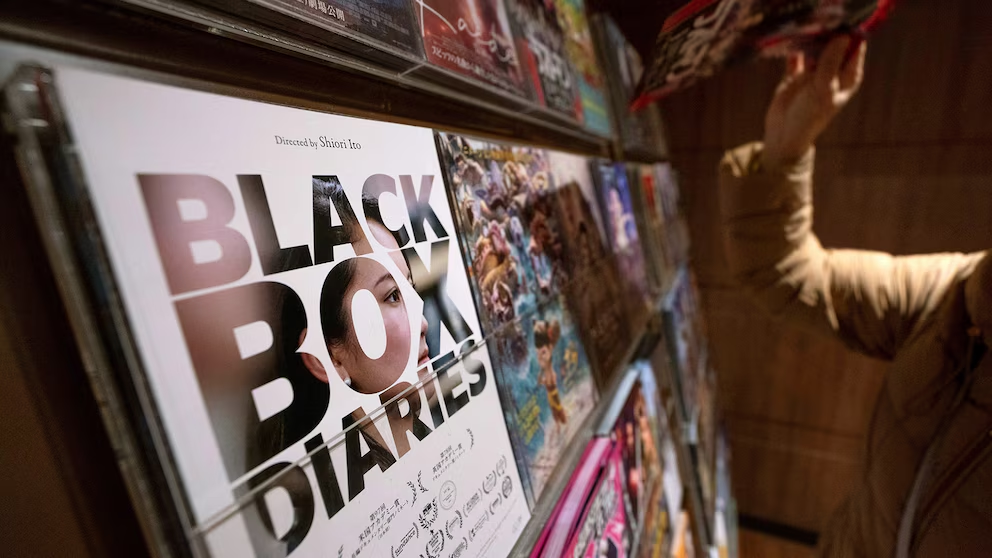
The delayed release exposes deeper tensions between artistic expression, social accountability, and cultural resistance.
Tokyo, December 2025
After months of postponements, public debate, and mounting pressure from international observers, the film inspired by one of the most emblematic #MeToo cases was finally released in Japanese cinemas. Its arrival marks more than a long-awaited premiere. It underscores the persistent friction between global movements demanding accountability and a domestic industry still grappling with how to confront power, gender, and silence.
The film, which dramatizes allegations of sexual abuse involving a prominent public figure, had already been screened in multiple countries before reaching Japan. Its delayed release was not the result of technical hurdles, but of sustained controversy. Industry insiders cited concerns over reputational damage, audience backlash, and legal sensitivity in a country where public accusations of sexual misconduct have historically struggled to gain institutional traction.

Japan’s film distributors initially opted for caution. The #MeToo movement, while globally resonant, has followed a distinct and uneven trajectory in the Japanese context. Activists and legal scholars have repeatedly noted that victims often face social stigma, professional retaliation, and procedural barriers when speaking out. In that environment, a high-profile film directly engaging with such allegations was perceived as a cultural provocation rather than a conventional work of cinema.
The controversy intensified as international media outlets and human rights advocates questioned the prolonged delay. From Europe and North America, commentators framed the situation as symptomatic of a broader reluctance within Japan’s entertainment industry to confront entrenched hierarchies. Cultural analysts pointed out that the global circulation of the film contrasted sharply with its absence in one of the world’s most influential media markets.
When the release was finally confirmed, it was accompanied by a subdued promotional campaign. There were no large premieres or celebratory events. Instead, distributors emphasized the film’s artistic merit and framed its screening as part of an ongoing conversation rather than a definitive statement. This careful positioning reflected an awareness of the sensitivities involved and the polarized reactions anticipated from audiences.

The film itself avoids sensationalism. Rather than focusing solely on the accused individual, it centers on the systemic dynamics that allow abuse to persist. Power imbalances, professional dependency, and the normalization of silence are presented as structural conditions, not isolated failures. Critics have noted that this approach aligns with international narratives of the #MeToo movement, which emphasize patterns over individual scandal.
In Japan, early reactions have been mixed but telling. Some viewers and commentators welcomed the release as a necessary intervention in a cultural landscape where such stories are often marginalized. Others criticized it as an importation of Western moral frameworks that fail to account for local context. The divide highlights an unresolved question: how global movements are translated, resisted, or reshaped within national cultures.
From an Asian regional perspective, observers have drawn parallels with similar debates in South Korea and China, where high-profile cases have also triggered backlash alongside reform. The Japanese case stands out not because controversy exists, but because of the length and intensity of the delay before public screening. It reveals how distribution decisions can function as gatekeeping mechanisms in cultural debates.
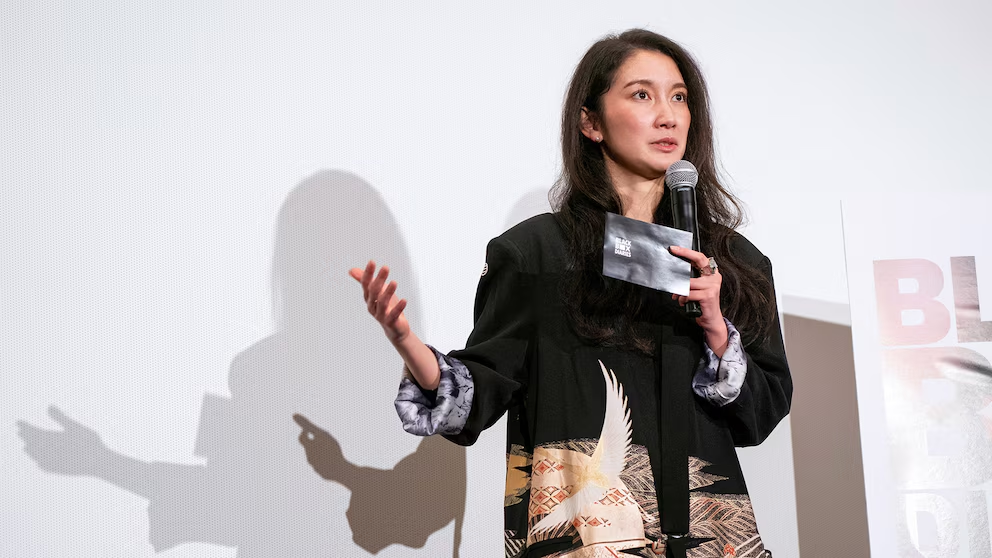
Internationally, organizations monitoring freedom of expression and gender equality have treated the release as a symbolic benchmark. While the film’s screening does not imply institutional reform, it does suggest a shift in what is considered discussable within mainstream cultural venues. In that sense, the cinema becomes a testing ground for broader social change.
The timing of the release is also significant. In recent years, Japan has seen incremental legal and social reforms related to sexual violence, including changes in definitions and reporting standards. The film enters this evolving landscape not as a catalyst alone, but as a reflection of tensions already present between law, society, and lived experience.
Ultimately, the film’s journey to Japanese theaters illustrates how cultural products can become proxies for larger conflicts. The question was never only whether the movie would be shown, but what its presence would signify. Its release does not resolve the debates surrounding #MeToo in Japan, but it makes them harder to avoid.
By finally reaching audiences, the film forces a reckoning with uncomfortable narratives that had been deferred rather than dismissed. In doing so, it confirms a central lesson of the movement it depicts. Silence may delay confrontation, but it rarely prevents it.
La narrativa también es poder. / Narrative is power too.