

 Phoenix 24
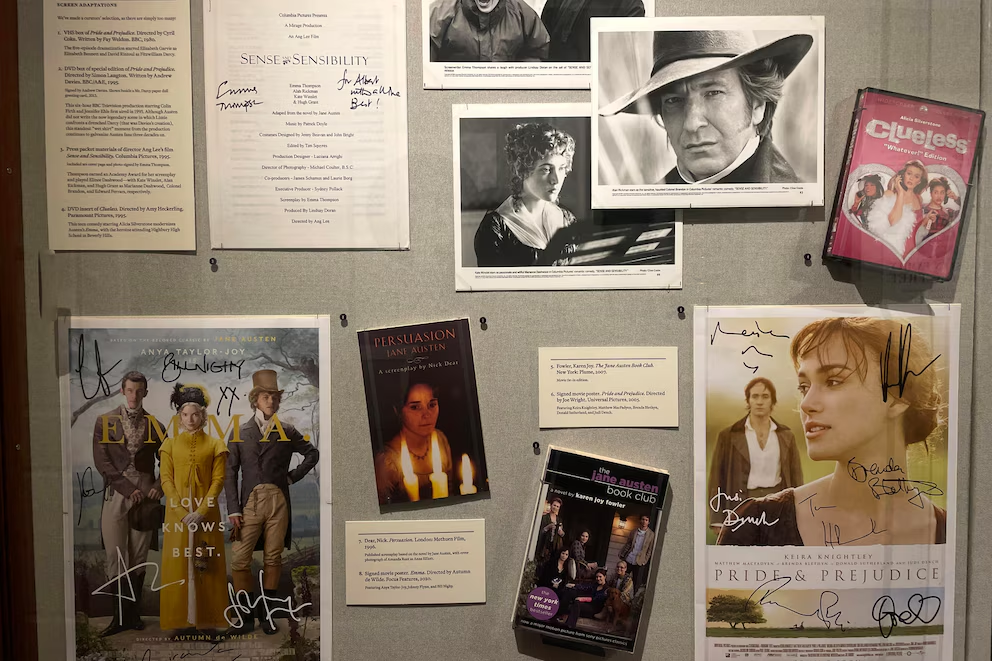
An exhibition dedicated to one of literature’s most celebrated figures offers renewed insight into the cultural imprint of her work.
London, December 2025.
A major cultural exhibition opening this season invites visitors to explore the life and legacy of Jane Austen through a thematic presentation titled A Love Letter to Jane Austen, marking the 250th anniversary of her birth and underscoring the enduring relevance of her writing in contemporary literary and social discourse. The exhibition brings together rare manuscripts, personal letters, early editions and artistic interpretations that collectively trace the evolution of Austen’s influence from her own time to the present, reaffirming her status as a central figure in the canon of English literature.
Organisers of the showcase emphasise that the exhibition is designed not merely as a retrospective but as a dynamic encounter with Austen’s narrative worlds, characters and thematic concerns. Curators have assembled a collection that highlights Austen’s keen observations of social structures, interpersonal relationships and the subtleties of character psychology, inviting audiences to consider how these elements continue to resonate across cultural contexts and generational divides. The presentation also situates Austen within the broader landscape of eighteenth-century society, illustrating the historical conditions that shaped her voice and the literary forms she helped refine.
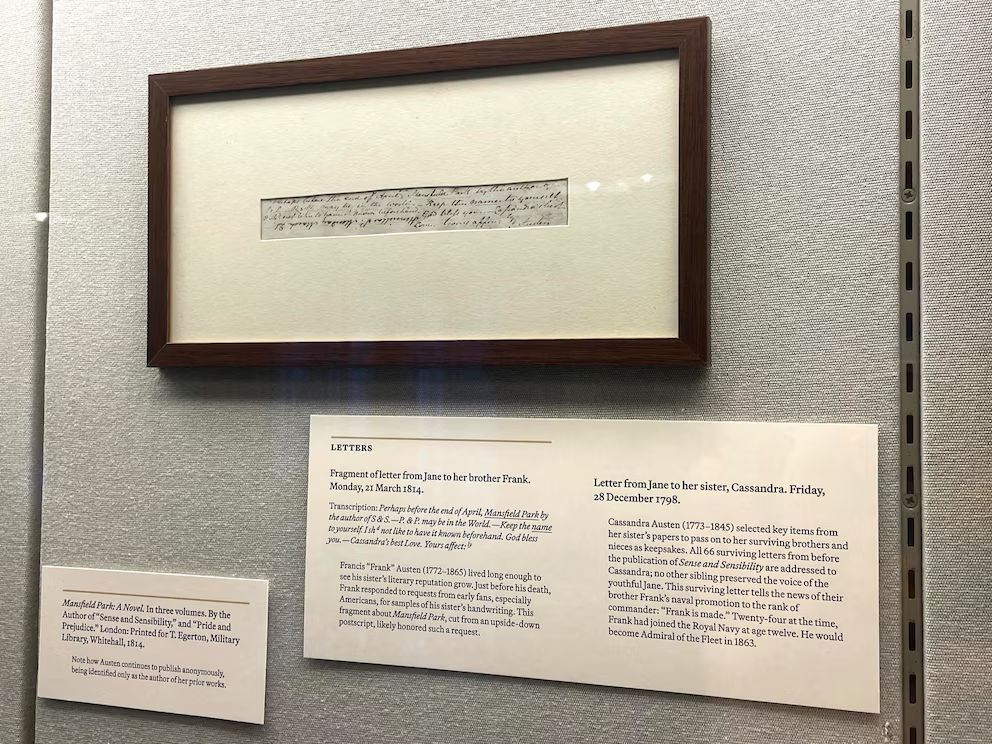
One of the exhibition’s notable features is its emphasis on Austen’s narrative technique and her contribution to the development of the novel as a form that balances realism, wit and moral inquiry. Scholars and literary critics involved in the project note that Austen’s ability to blend humour with incisive social commentary has inspired countless adaptations, reinterpretations and critical studies, making her work a touchstone for discussions about gender roles, personal agency and cultural norms. Visitors encounter original texts annotated by early readers alongside contemporary artistic responses that demonstrate the multiplicity of interpretations her work has inspired over time.
Educational programming associated with the exhibition seeks to engage both seasoned Austen readers and newcomers alike, offering guided tours, panel discussions and interactive sessions that encourage deeper reflection on the themes embedded in her novels. These elements extend the exhibition beyond static display, creating opportunities for dialogue that bridge academic inquiry and popular appreciation. Workshops aimed at young audiences highlight how Austen’s insights into human behaviour and social dynamics remain pertinent in a world marked by rapid change and evolving forms of communication.
The exhibition’s placement in London, a city that has been a nexus of English letters for centuries, adds layers of cultural context that enrich the experience. London’s own literary history intersects with Austen’s life and posthumous reception, drawing visitors into a spatial narrative that connects physical place with intellectual legacy. For international visitors, the show underscores how Austen’s work has transcended geographical boundaries, fostering global communities of readers and creative practitioners who find in her narratives a blend of specificity and universality.
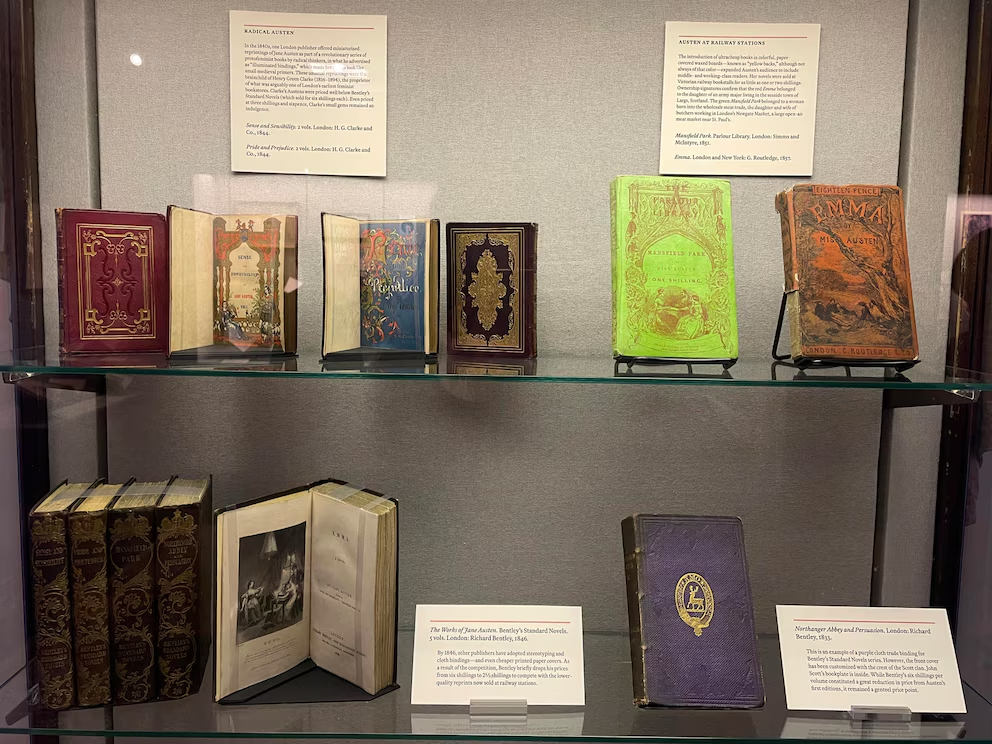
Critical reception of the exhibition ahead of its public opening suggests that A Love Letter to Jane Austen succeeds in both celebrating a landmark anniversary and prompting renewed scholarly and popular engagement with her oeuvre. Reviews in cultural journals highlight the curators’ success in balancing archival fidelity with accessible presentation, enabling audiences to appreciate the complex interplay between historical record and imaginative resonance.
For cultural institutions and literary societies, the exhibition exemplifies how anniversaries can serve as catalysts for revisiting formative voices in the literary tradition, encouraging reassessment of their contributions in light of contemporary concerns. Austen’s nuanced portrayals of character and social interaction, refined through her distinct prose style, continue to invite reflection not only on her own era but on enduring questions about identity, autonomy and the human condition.
As A Love Letter to Jane Austen continues its run, organisers anticipate that the festive season and the ongoing anniversary year will draw both dedicated enthusiasts and those encountering her work for the first time. The exhibition stands as a testament to the lasting power of storytelling that transcends centuries, affirming that Austen’s insights into human behaviour remain alive in the cultural imagination.
Narrative is power too.
La narrativa también es poder.